
Review · ROME
Rome: No-Crowd Early Morning Tour with Trevi Fountain
Rome is at its most gracious before the day gets noisy. This two-hour early morning walk takes you from the Spanish Steps to the Trevi Fountain, the Pantheon, and Piazza Navona while the streets are still calm and the light is soft.
I like two things right away: the route links four major sights without wasting time on transport, and the early start makes the Trevi Fountain far more pleasant to see. Guides such as Bruno, Alex, and Alessio are praised for adding history, answering questions, and pointing out details you could miss alone.
The trade-off is simple: you must get up early, walk on cobblestones, and manage the 135 Spanish Steps. The Pantheon is admired from outside only, and the tour is not suitable for wheelchair users.
Key points to know before you book
- The early hour is the main attraction: You see the Trevi Fountain and Spanish Steps before the usual daytime crowds and heat.
- Four famous sights fit into two hours: The route covers the Spanish Steps, Trevi Fountain, Pantheon exterior, and Piazza Navona.
- The walk has strong guide involvement: Bruno, Alex, and Alessio are noted for clear explanations, extra details, and friendly answers.
- The route is historic but physically active: Expect cobblestone streets, plenty of walking, and the Spanish Steps.
- The Pantheon visit is exterior-only: You can study the columns, pediment, and inscription, but entry is not part of this experience.
- The price is reasonable for a small guided walk: At $42 per person, you are paying for a focused introduction rather than a full-day tour.
Why Rome before breakfast works so well
Rome’s famous fountains and squares are open-air sights, so timing matters. At midday, the Spanish Steps and Trevi Fountain can feel crowded, hot, and difficult to photograph. Early in the morning, you get more room to look up, listen to the guide, and notice the shape of the buildings around you.
You will meet your English-speaking guide in front of Antico Caffè Greco, the historic café on Via dei Condotti near the Spanish Steps. The exact starting time depends on availability, but the tour is designed to begin early enough to avoid the main rush and much of the daytime heat.
That early start is not just a marketing detail. It changes the mood of the entire walk. The fountains sound louder, the streets feel less hurried, and the city seems to be preparing for the day rather than performing for it.
The tour receives a 4.9 rating from 10 reviews, with particular praise for Bruno, Alex, and Alessio. That matters here because the route itself is easy to follow. The guide is what turns a pleasant morning walk into a useful introduction to Rome’s art, architecture, and old streets.
More early starts worth the alarm around Italy:
- Rome: Vatican, Sistine Chapel, St. Peter Early Morning Tour
★ 4.9 · 227 reviews - Etna Special Dawn Excursion
★ 5.0 · 185 reviews - Sunrise in Rome: Small Group E-Bike tour with Italian Breakfast
★ 5.0 · 179 reviews
Starting at the Spanish Steps
The Spanish Steps give you a strong opening scene. The broad staircase has 135 steps and connects Piazza di Spagna below with the Trinità dei Monti church above. It was built in the 18th century and became a meeting place for poets, artists, and other creative figures.
Your guide can help you read the steps as more than a pretty backdrop. Look at how the staircase opens toward the square below, then turns your attention upward to the church and the view across Rome. The morning light is especially helpful here because the pale stone picks up gentle color without the harsh glare common later in the day.
You should wear shoes with a firm sole. The steps are manageable for many people, but they are still a climb, and the rest of the tour continues on foot. If you have trouble with stairs, ask about the route before booking because the activity is not suitable for wheelchair users.
The Spanish Steps are also a good place to understand the tour’s pace. This is not a stop where you linger for an hour. You will hear the main story, see the layout of the square, take photographs, and continue through the historic center.
One useful advantage of a guide is the chance to ask questions as they occur to you. Alex is praised for responding carefully and giving extra time and information, while Bruno is described as engaging and lively. Those personal touches can make a familiar postcard view feel more specific and memorable.
Walking to the Trevi Fountain
From the Spanish Steps, the route continues through the old center toward the Trevi Fountain. There is no bus or van between stops. You walk through Rome’s cobblestone streets, which is part of the charm but also the reason comfortable shoes are essential.
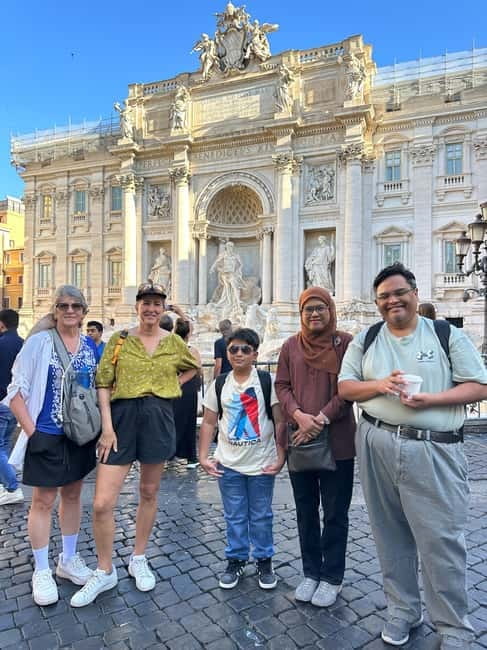
The Trevi Fountain is the emotional high point for many people on this route. Its Baroque design centers on Oceanus, with tritons and sea horses arranged around him. Water pours through the stonework into the large basin, giving the square a constant sound even when the streets are quiet.
The early hour makes a real difference here. You may have more space to take in the sculpture and less need to hold your camera above a crowd. You can also listen without competing with the noise of the day.
Bring a coin if you want to follow the familiar Roman custom. Tossing one into the fountain is said to ensure your return to Rome. The activity specifically calls out this tradition, so it is worth keeping a small coin ready rather than searching through your wallet at the last moment.
The fountain is still a public place, not a private viewing. Conditions can vary, and early does not mean empty. Still, the timing gives you the best chance of seeing the monument in a calmer setting, especially during the warmer months.
This is also where a guide adds more value than a quick photograph. The figures, water movement, and Baroque design can blur together when you only have a few minutes. A clear explanation helps you understand what you are looking at before the group moves on.
The Pantheon from the outside
The next major stop is the Pantheon. This nearly 2,000-year-old building has served different purposes across the centuries. It began as a pagan temple and is now a church, a change that reflects the many layers of Rome’s past.
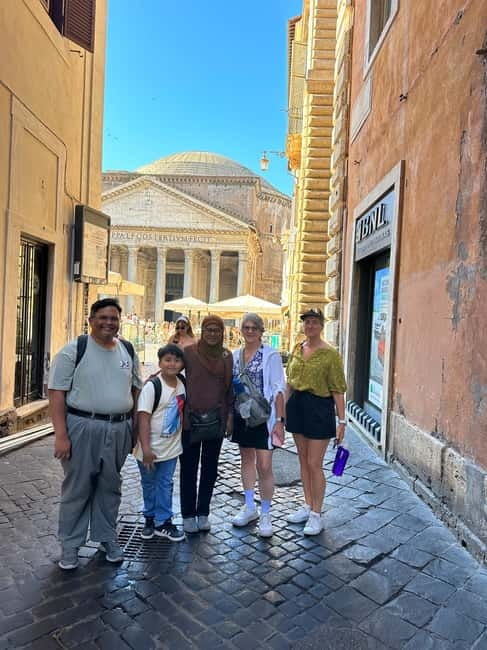
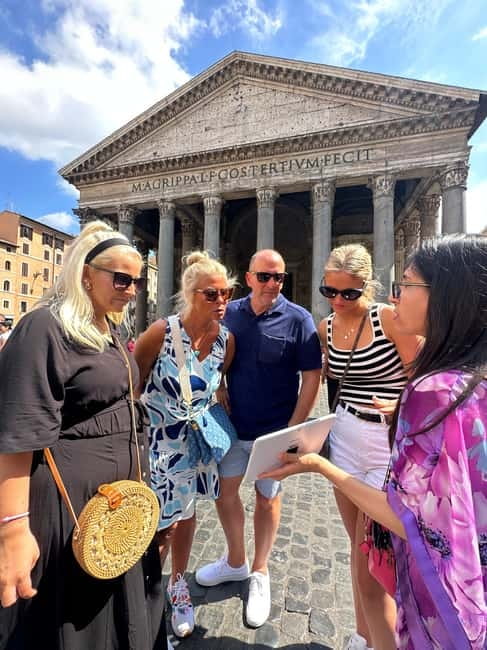
You will admire the Pantheon from outside on this tour. That means you can study the huge columns, triangular pediment, and the inscription connected with Emperor Hadrian, but you will not enter the building as part of the two-hour experience.
That limitation is important when comparing this walk with a longer Rome tour. The exterior alone is impressive, especially when you stand close to the columns and see their scale. But if the Pantheon interior is a top priority, you will need to arrange a separate visit.
The outside stop still earns its place on the route because it gives you a compact lesson in Roman building traditions and later religious use. Your guide can explain why the structure remains so striking after so many centuries, while you take in the contrast between the ancient façade and the surrounding streets.
The Pantheon also provides a useful change of pace. The Spanish Steps and Trevi Fountain are theatrical public spaces. Here, the focus shifts to engineering, materials, and survival. You are looking at an actual ancient structure, not a later recreation.
Same dawn, a different vantage point:
- Sunrise in Rome: Small Group E-Bike Tour & Italian breakfast
★ 4.9 · 177 reviews - Florence: Duomo Dawn Entry with Key Holder & Dome Climb Tour
★ 4.8 · 105 reviews - Rome at Sunrise Walking Tour: Pantheon Trevi Fountain & Breakfast
★ 5.0 · 74 reviews - Golfo Aranci: Sunrise Dolphin Kayak Tour with Breakfast
★ 4.8 · 39 reviews
Piazza Navona and Bernini’s fountains
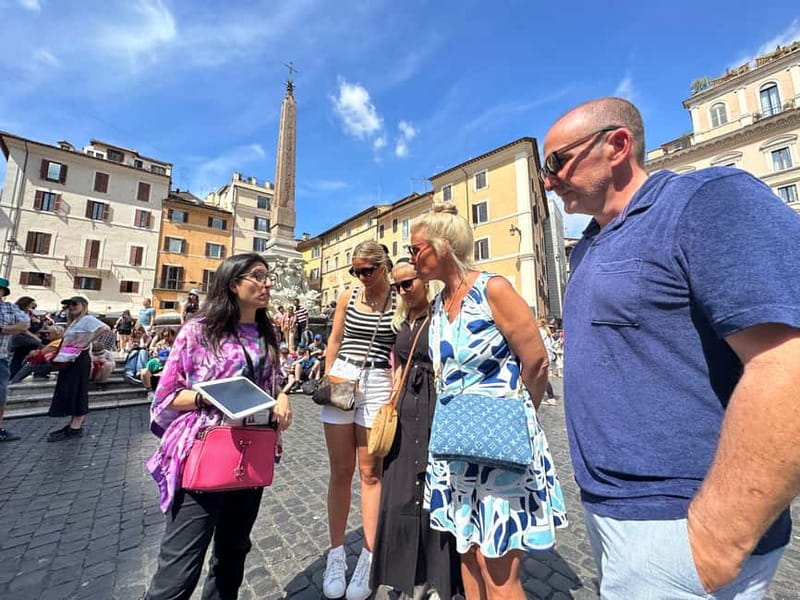
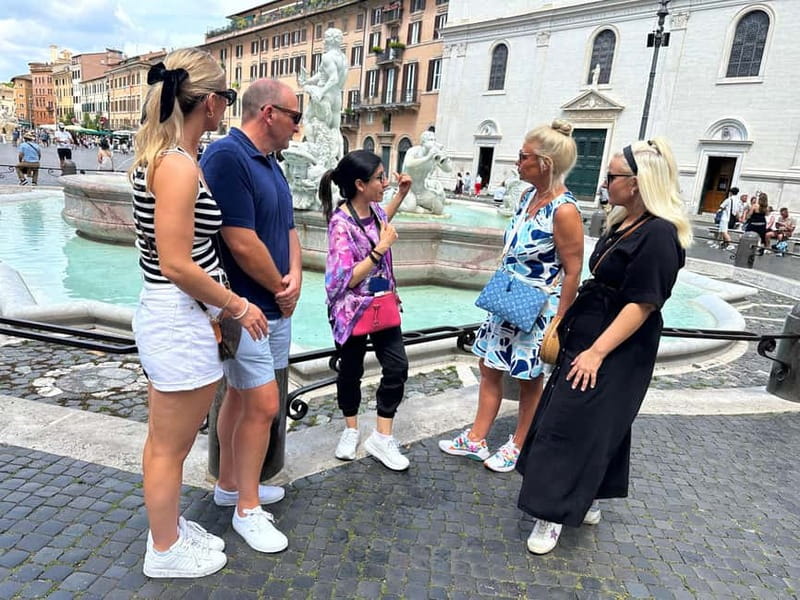
The walk ends at Piazza Navona, one of Rome’s grandest urban spaces. Its long, narrow shape follows the outline of an ancient Roman stadium, so the square itself preserves the memory of an earlier public venue beneath the Baroque decoration.
The main focal point is Bernini’s Fountain of the Four Rivers. Its figures represent four great waterways of the world, arranged around the central sculpture and water basin. The fountain gives the square a dramatic center without making the entire place feel like a museum.
Piazza Navona is surrounded by ornate buildings and fountains, so this is a good final stop for stepping back and taking stock of the morning. The city is beginning to wake up by now, and you can feel the change from the quiet start near the Spanish Steps.
The square’s open layout also makes the ending easy to manage. You are not left deep inside an attraction with a long return route. Instead, the tour finishes in a central part of Rome, surrounded by cafés, streets, and further sights to explore on your own.
Because the tour ends here, you may want to plan your next stop in advance. The experience does not include a meal, transport, or entry to another attraction. It gives you a strong beginning to a day, not a complete day of sightseeing.
What the guides add to the route
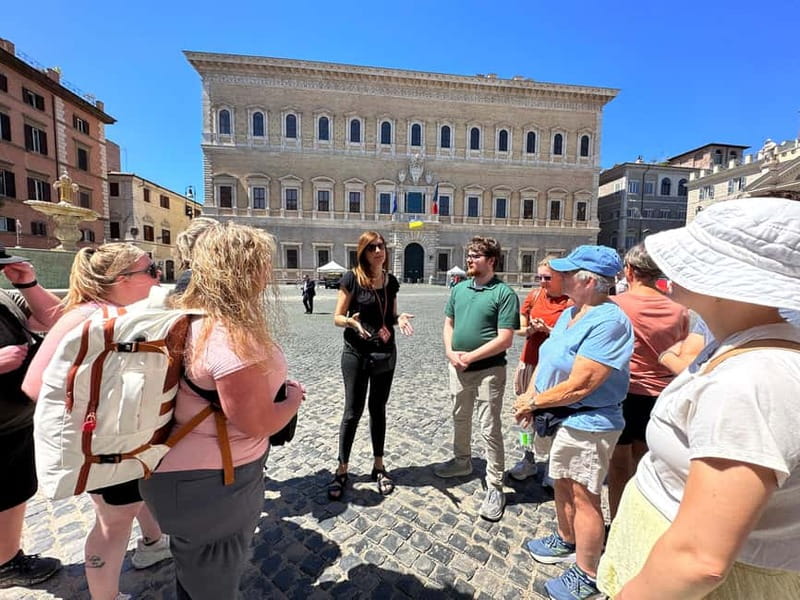
The basic route is excellent, but the quality of the morning depends heavily on the guide. Bruno receives especially strong praise for his warmth, energy, and ability to make the walk memorable. Alex is noted for answering questions and adding extra time and information, while Alessio is praised for explaining architecture and history in a way that encouraged further exploration.
One unusual feature is that the group size may vary. The activity is described as a small-group experience, but one booking became a private tour. You should not assume you will have a private guide, but a smaller group can make it easier to ask questions and stay close to the explanation.
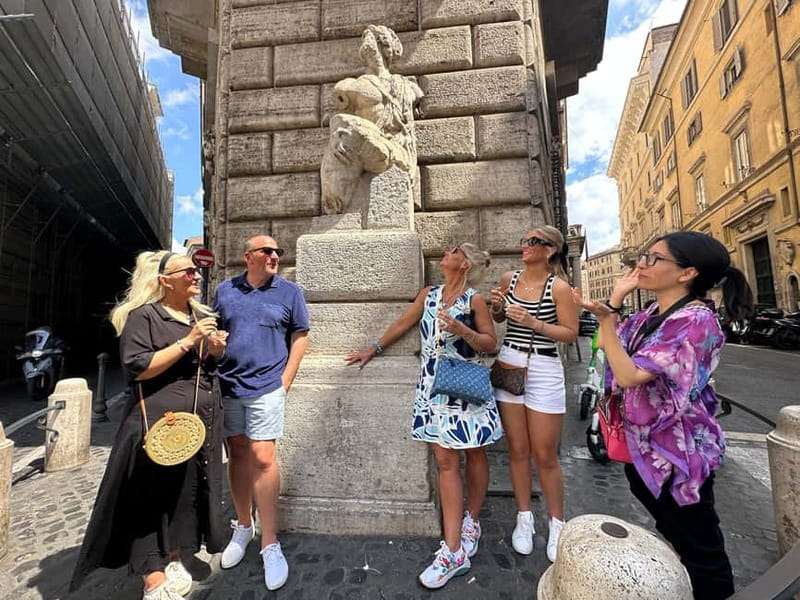
The guides may also point out extra sights along the way. That is useful on a route through Rome’s old center, where a doorway, façade, or side street can carry as much character as the major monuments. The exact extras will depend on the guide and the morning’s conditions, so treat them as a pleasant bonus rather than a guaranteed part of the program.
The language is English. If you enjoy learning through questions, this is a good format because the walk is short enough to remain focused but long enough to discuss details beyond the basic names of each monument.
Is $42 a fair price?
At $42 per person, this is a sensible price for a two-hour guided introduction to central Rome. You are not paying for attraction entry, food, transport, or an extended history lecture. You are paying for a guide, a carefully arranged route, and the chance to see four major sights at a favorable time of day.
The value is strongest if you are visiting Rome for the first time, have limited time, or want help getting oriented before exploring alone. The route connects the Spanish Steps, Trevi Fountain, Pantheon, and Piazza Navona in a logical order, so you can later return to the places that deserve more time.
The value is weaker if you already know this part of Rome well or prefer to explore without a fixed pace. You can walk between these sights independently, and the tour does not include entry to the Pantheon or any other attraction.
Still, the price can be justified by timing alone. Avoiding the worst heat and crowds may make the experience more comfortable than a self-guided walk later in the day. The guide’s local explanations are an added benefit, particularly if architectural details and Roman history are important to you.
Practical advice for the morning
Wear walking shoes that can handle uneven cobblestones. Sandals with thin soles may become uncomfortable, especially with the Spanish Steps and the steady walking between locations.
Bring water, a camera, and clothing suited to the forecast. The tour runs in all weather, so a light rain layer or sun protection may be useful depending on the season.
You should also bring a coin for the Trevi Fountain. It is a small detail, but it saves you from missing one of the best-known customs on the route.
Allow extra time to reach Antico Caffè Greco. The meeting point is in a central area, but the tour begins early and the walk starts promptly. Exact departure times vary, so check the available option when booking.
The walk is not suitable for wheelchair users. The Spanish Steps, cobblestone streets, and general amount of walking create access concerns. Anyone with limited mobility should ask for detailed route information before reserving.
Cancellation is flexible up to 24 hours before the activity for a full refund, and you can reserve now and pay later. Those terms are useful if your Roman schedule is still shifting, but they do not change the physical demands of the walk.
Who should book this Rome walk?
I would choose this tour for a first morning in Rome, especially if you want the city’s best-known open-air sights before the crowds arrive. It suits couples, families with older children, solo visitors, and anyone who prefers learning through a guide rather than reading a map at each stop.
It is also a good fit for photographers. The early light at the Spanish Steps, Trevi Fountain, and Piazza Navona gives you a better chance of taking clear pictures before the squares fill up.
You should think twice if you dislike early starts, cannot walk comfortably for two hours, or want to go inside the Pantheon. This is a brisk introduction, not a slow architectural study or an accessible route.
Should you book it?
Book it if you want a compact, well-timed introduction to central Rome and value a guide who can explain the details behind the famous views. The early start, four major stops, and strong praise for Bruno, Alex, and Alessio give the experience a clear purpose.
Skip it if you would rather sleep late and explore at your own speed, or if the Pantheon interior is essential to your plans. For most able walkers, though, $42 is fair for a small guided tour that lets you see Rome’s classic sights in cooler air and gentler light.
FAQ
How long does the tour last?
The walking tour lasts two hours.
What sights are included?
You visit the Spanish Steps, Trevi Fountain, the exterior of the Pantheon, and Piazza Navona.
Does the tour enter the Pantheon?
No. The Pantheon is viewed from outside during this activity.
What time does the tour start?
The tour starts early in the morning. Exact starting times depend on availability.
What language is the tour in?
The live guided tour is conducted in English.
Where is the meeting point?
Meet your guide in front of Antico Caffè Greco.
Is this a private tour?
It is described as a small-group experience, but group arrangements can vary. One booking became a private tour.
Is the tour suitable for wheelchair users?
No. The activity is not suitable for wheelchair users.
What should I bring?
Bring comfortable walking shoes, water, a camera, weather-appropriate clothing, and a coin for the Trevi Fountain.
Can I cancel for a refund?
Yes. You can cancel up to 24 hours in advance for a full refund. You can also reserve now and pay later.
Newly added sunrise trips around Italy
- Venice: Sunrise Walking Tour with Espresso★ 4.6 · 12 reviews
- Sunrise Kayak Tour / Snorkeling and Italian Coffee Included★ 5.0 · 3 reviews
- Sunrise in SUP with breakfast on board and private lesson★ 5.0 · 4 reviews
- Sardinia: SUP Paddleboard Tour Sunrise, lesson and Breakfast★ 4.7 · 3 reviews
- Mount Etna: Sunrise Excursion with an expert Local Guide★ 5.0 · 8 reviews
- Golfo Aranci: Sunrise Dolphin Kayak Tour with Breakfast★ 4.8 · 39 reviews
- Florence: Duomo Dawn Entry with Key Holder & Dome Climb Tour★ 4.8 · 105 reviews
- Cagliari: horseback riding with sunrise dive★ 4.5 · 2 reviews
Italy Sunrise Tours, compared at first light.
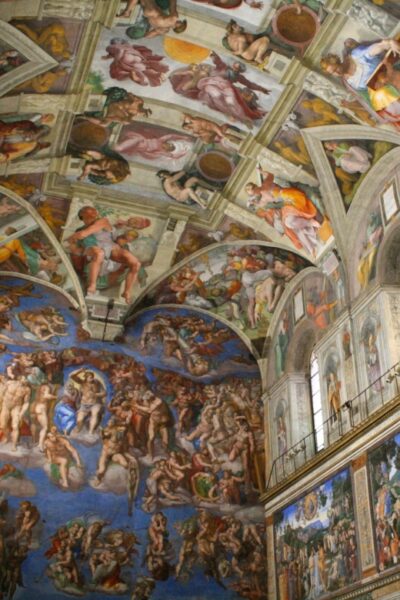
Rome: Vatican, Sistine Chapel, St. Peter Early Morning Tour
Read our review →
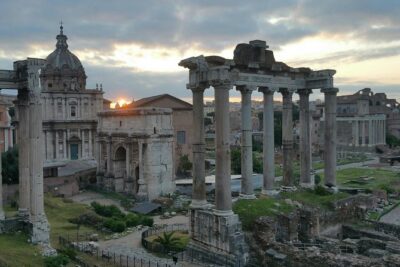
Sunrise in Rome: Small Group E-Bike tour with Italian Breakfast
Read our review →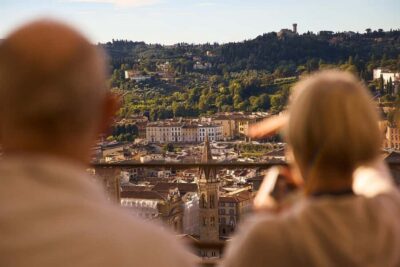
Florence: Duomo Dawn Entry with Key Holder & Dome Climb Tour
Read our review →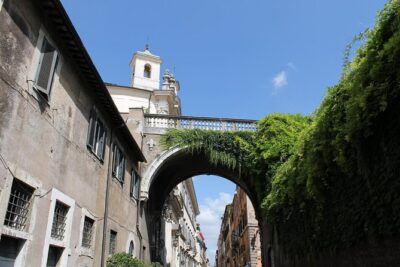
Rome at Sunrise Walking Tour: Pantheon Trevi Fountain & Breakfast
Read our review →
Golfo Aranci: Sunrise Dolphin Kayak Tour with Breakfast
Read our review →

Mount Etna: Sunrise Excursion with an expert Local Guide
Read our review →More lists with this sunrise on them