
Review · CAMBODIA
Siem Reap: Angkor Wat Small-Group Sunrise Tour & Breakfast
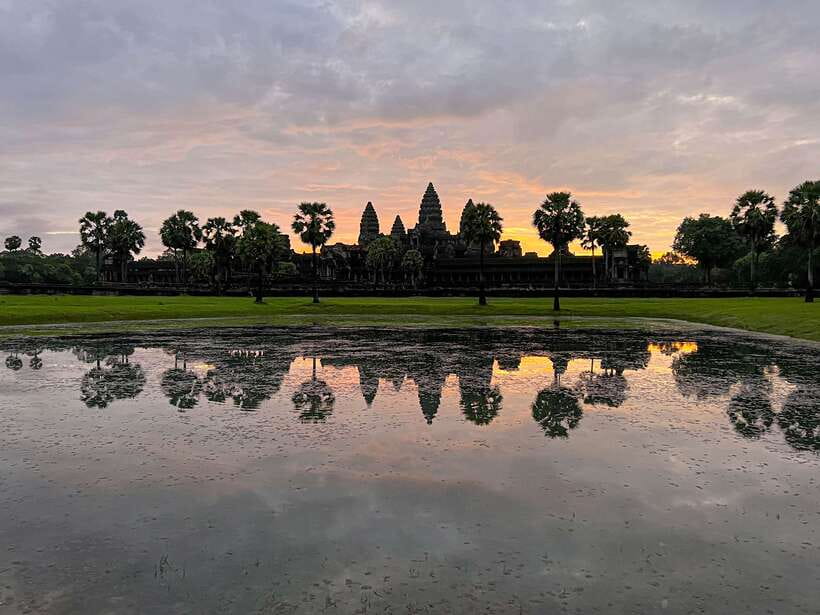
Angkor Wat at sunrise is the headline, but the best part is what follows: you get time to explore the temple before the day grows hot, then stop in Preah Dak for Khmer rice noodles, palm cake, and steamed rice dumplings. The early start earns its keep. You see the famous temple in soft morning light and avoid some of the worst midday heat.
I like the mix of major monuments and local food. I also like the practical care built into the day, with an air-conditioned van, cold water, and towels. Guides such as Mr. Ho, Mr. Kim, Mony, and Raman have been praised for explaining small details and answering questions. The drawback is simple: pickup can begin around 4:30 or 5:00 am, and the 1-day Angkor pass costs another $37.
Key points at a glance
- Sunrise at Angkor Wat: Arrive before dawn for the tour’s most memorable view, then spend about 90 minutes exploring the temple.
- Breakfast in Preah Dak: Eat Khmer rice noodles with green curry fish soup and try palm cake and steamed rice dumplings with palm sugar.
- Ta Prohm’s tree roots: Walk through the jungle temple, left partly in its original overgrown condition.
- Angkor Thom in one sweep: See Bayon, Baphuon, the Elephant Terrace, the Leper King Terrace, and the South Gate.
- Cool transport and local guidance: Travel by air-conditioned minivan or minibus with bottled water and towels.
- Good value with one added cost: The tour is $23 per person, but the Angkor pass is not included.
Before dawn at Angkor Wat
The day begins while Siem Reap is still quiet. Hotel pickup is scheduled between 4:30 and 5:00 am, so you should wait in the lobby at least 15 minutes early. The drive to the temple area takes about 30 minutes.
The early hour is not a small detail. Angkor Wat is the busiest stop on the route, and arriving before sunrise gives you a chance to claim a good viewing position before the main crowds gather. You will need patience, since sunrise conditions depend on the weather. One morning may bring a clear sky, while another may offer only a pale glow behind clouds.
Still, the setting does much of the work. The temple’s towers appear against the changing sky, and the reflection pool gives you the classic view associated with Angkor Wat. Bring a phone or camera, but do not spend the entire moment looking at a screen. The light changes quickly.
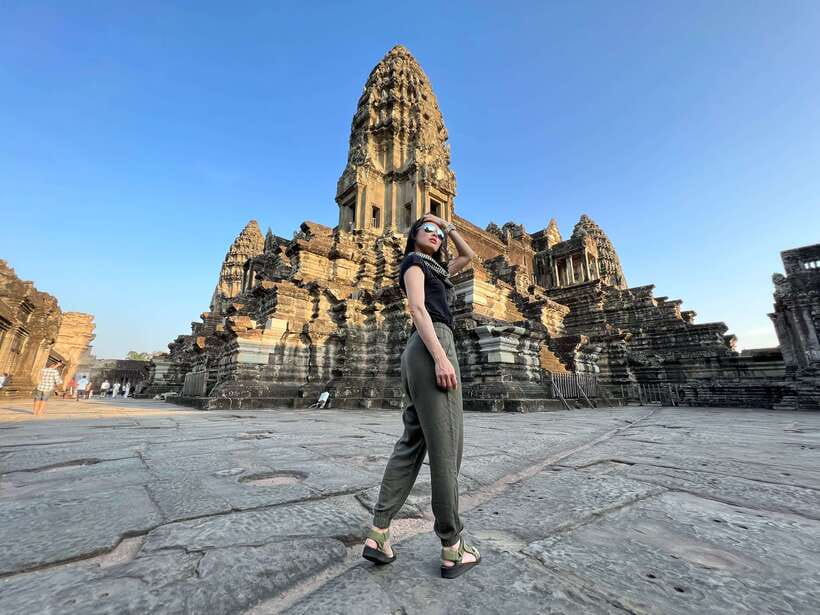
After sunrise, the tour allows roughly 90 minutes to explore Angkor Wat itself. That extra time matters. You are not simply stopping for a photograph and leaving. You can walk through the temple grounds, see its galleries and stone details, and listen as your guide explains how the building functioned.
A guide can also help you make sense of the scale. Angkor Wat is more than a single impressive facade. The long approach, galleries, towers, courtyards, and carved stone work form a large religious complex. You will do plenty of walking, often on uneven stone, so comfortable shoes are essential.
More Sunrise Tours with Breakfast in Cambodia
- Angkor Wat Sunrise & 3 Main Temples with Breakfast – Small Group
★ 5.0 · 2,857 reviews - Siem Reap: Angkor Wat Sunrise Small Group tour and Breakfast
★ 4.9 · 450 reviews - Angkor Wat Sunrise Small Group Tour With Breakfast
★ 5.0 · 416 reviews
Why a guide changes the temple visit
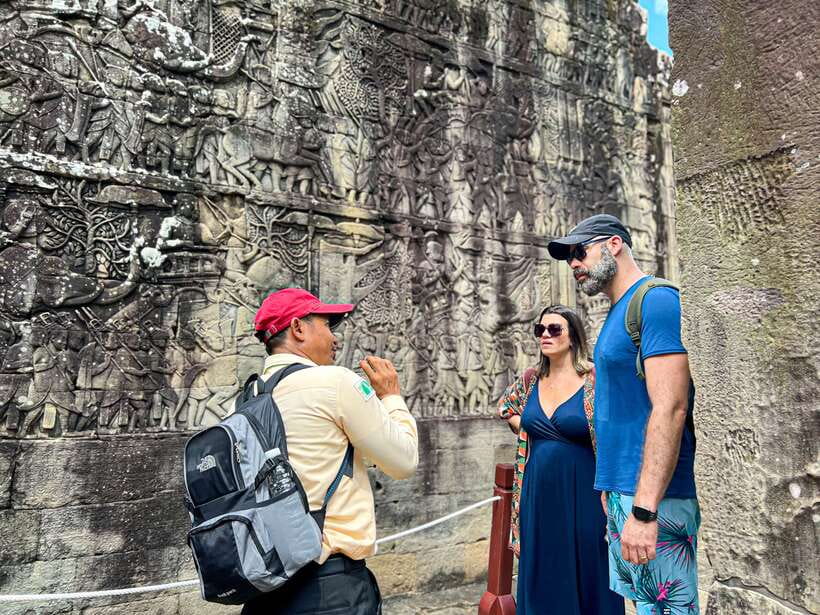
Angkor Wat rewards a slow look, but it can be hard to know what deserves your attention. A good guide points out details you might otherwise pass without noticing. Mr. Ho Samnang, for example, was praised for answering questions about the holes in stone blocks and the purpose of different structures. That sort of explanation turns a grand ruin into a place built by real workers for specific religious and political purposes.
Other guides named for this experience include Mony, Mr. Kim, and Raman. The strongest descriptions focus on clear explanations, humor, cultural context, and the ability to keep a group interested despite heat and humidity. Guide quality can vary on any scheduled tour, but the English-speaking guide is a central part of what you are paying for.
The tour is available as a private experience or in a small group. A small group usually offers a lower price and some company on the road. A private option gives you more control over questions and the pace, though the supplied information does not state the private-tour price.
Breakfast in Preah Dak
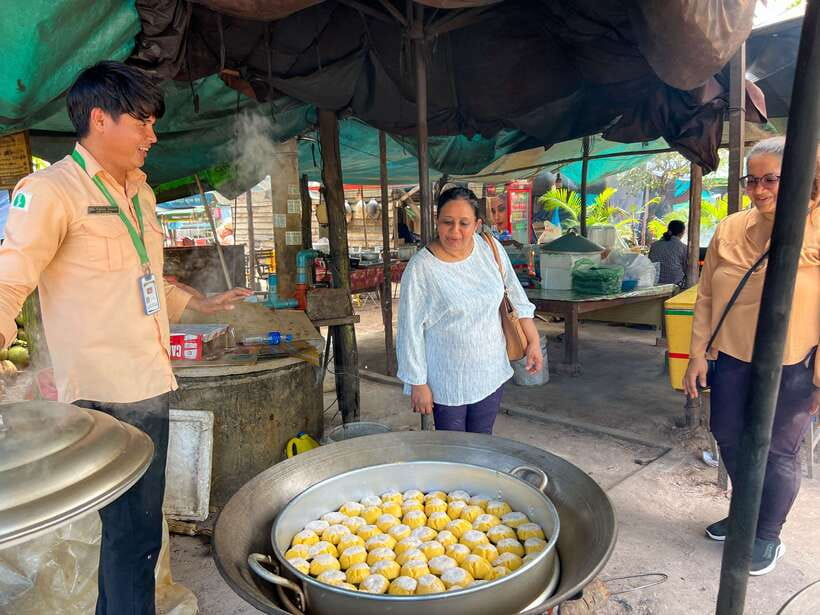
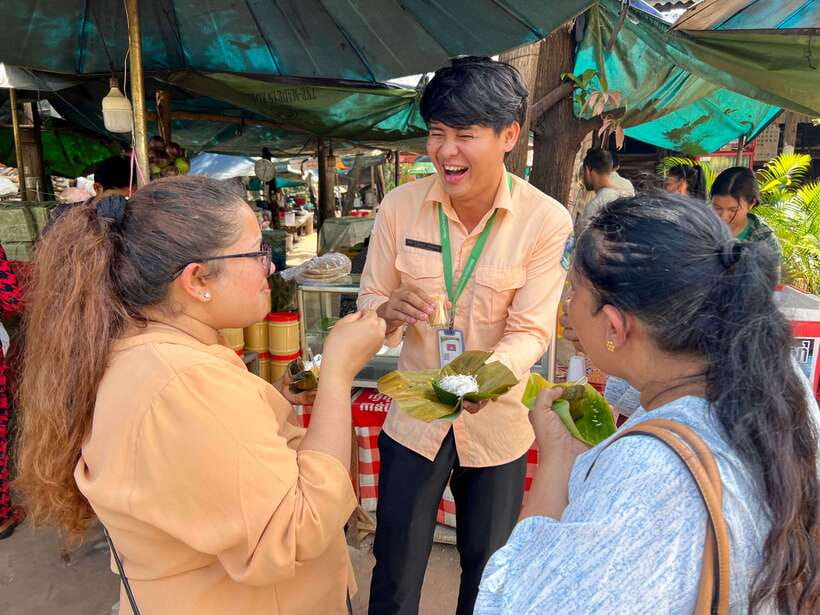
After Angkor Wat, the route moves toward Preah Dak, a village known here for its local food and traditional sweets. This is a useful pause after the early start and temple walking. You get a seat, a meal, and a look at daily life beyond the main monuments.
Breakfast includes Khmer rice noodles with green curry fish soup, along with dessert. A vegetarian option is available, but you need to request it in advance. The meal is not presented as a hotel buffet or a Western breakfast. It gives you a chance to taste a familiar Cambodian morning dish in the village setting.
You can also try palm cake and steamed rice dumplings with palm sugar. These are the kind of small food details that make the day feel less like a fast monument checklist. The sweet flavors provide a welcome change from the savory noodle soup.
This stop is also where the tour connects the Angkor temples with present-day Cambodia. You see a village, taste local snacks, and get a short break before returning to more stone and shade. Do not expect a long cooking class or a full market visit. The food stop lasts about an hour, and lunch is not included later in the day.
Ta Prohm and the power of tree roots
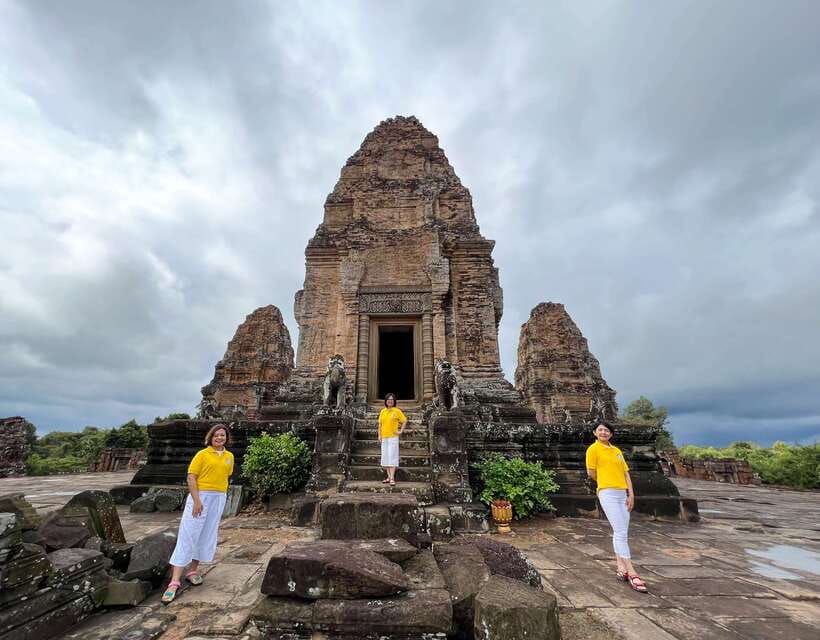
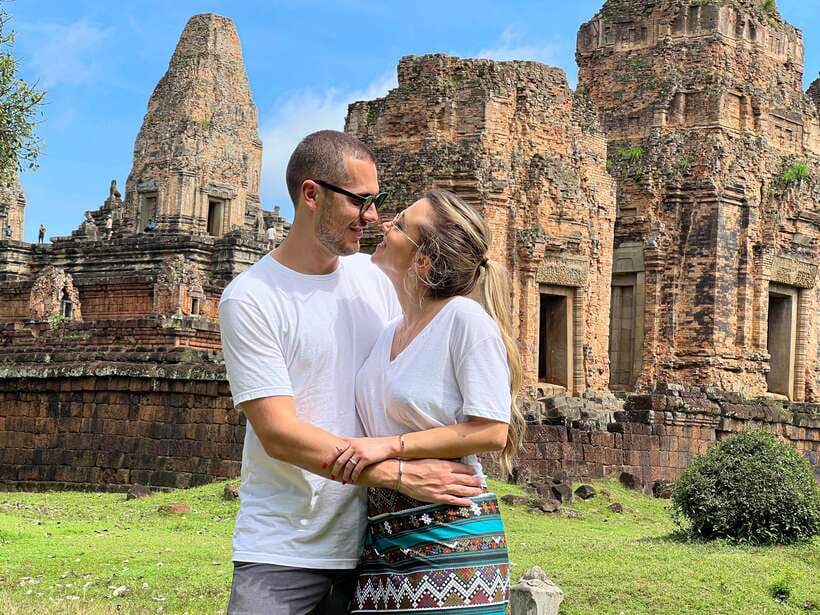
Ta Prohm is one of the most recognizable temples in the Angkor area because trees and huge roots have grown through its stone structures. Parts of the temple have been left in an overgrown condition, giving the site a different mood from the more ordered spaces at Angkor Wat.
The route includes about an hour at Ta Prohm. That is enough to walk through key areas and see the famous tree-covered walls, though it may feel short if you want to stop for every photograph. The ground can be uneven, and the roots and stones require attention as you walk.
I like the contrast here. Angkor Wat shows controlled design and grand planning. Ta Prohm shows what happens when nature presses into that design over time. Your guide can help separate the real details from the popular image, while you still get the dramatic sight that brought many people to the temple in the first place.
The jungle setting also makes Ta Prohm feel cooler and more enclosed. Even so, Cambodia’s heat builds as the morning continues. Use the supplied water and towel, and apply sunscreen before leaving your hotel.
More Sunrise Tours with Breakfast in Siem Reap:
- Siem Reap: Angkor Wat Sunrise Bike Tour & Jungle Breakfast
★ 5.0 · 415 reviews - Angkor Sunrise Jeep Tour – Inclusive Breakfast & Lunch
★ 5.0 · 309 reviews - Angkor Sunrise or Sunset Tour (includes breakfast or lunch)
★ 4.8 · 144 reviews - Siem Reap: Angkor Wat Sunrise Bike Tour & Jungle Breakfast
★ 4.9 · 141 reviews
Angkor Thom, from the Elephant Terrace to Bayon
The next section covers several landmarks within Angkor Thom, the large walled city associated with King Jayavarman VII. The stops are fairly short at some points, so expect a broad introduction rather than an in-depth study of every stone.
At the Terrace of the Elephants, you see a long platform decorated with elephant imagery and other carved figures. It served as a ceremonial viewing area. The stop lasts about 15 minutes, which is enough to see the main facade and hear an explanation, but not enough for a long walk along every section.
The Terrace of the Leper King, also called Preah Ponlea Sdach Komlong, follows for another 15 minutes. Its carved walls and enclosed passages reward careful attention. This is a place where a guide helps, since the details are easy to miss when you are looking only at the most obvious surface.
Bayon receives about an hour, and it deserves the extra time. The temple is famous for its large carved faces, which look out from its towers. It was built under Jayavarman VII, a Mahayana Buddhist king, and served as a religious, educational, and administrative center. The surviving complex gives you a sense that Angkor was not only a collection of shrines, but also a functioning city.
The information provided for the tour describes Bayon as the only surviving monastery of its kind in the Angkor complex. The wording may be simplified, but the practical point is clear: Bayon had more than one role. Your guide can connect the carvings and layout to the wider life of Angkor.
Baphuon and the South Gate
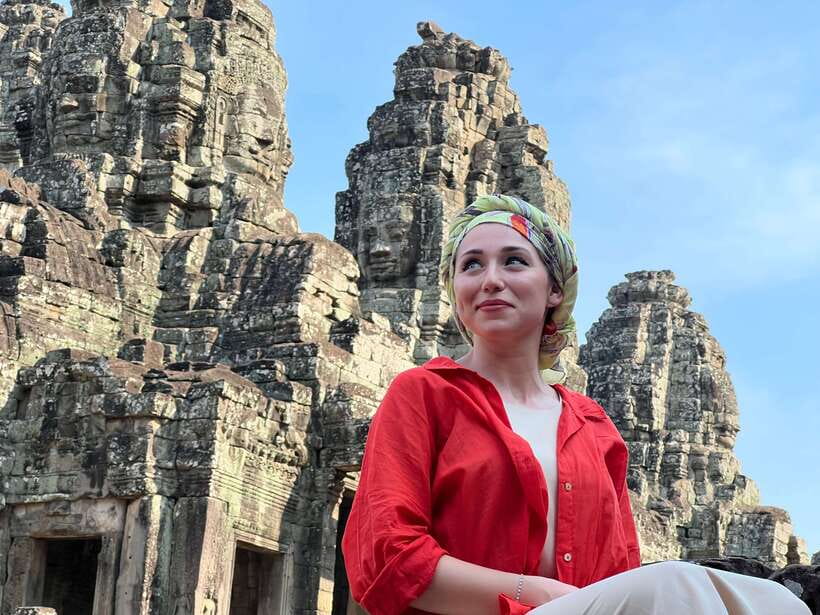
Baphuon comes after Bayon, with around 30 minutes for a guided visit and walk. The temple has a different form from Bayon, with a long approach and a strong sense of height. You will continue climbing and crossing uneven surfaces, so this part of the morning is not just a photo stop.
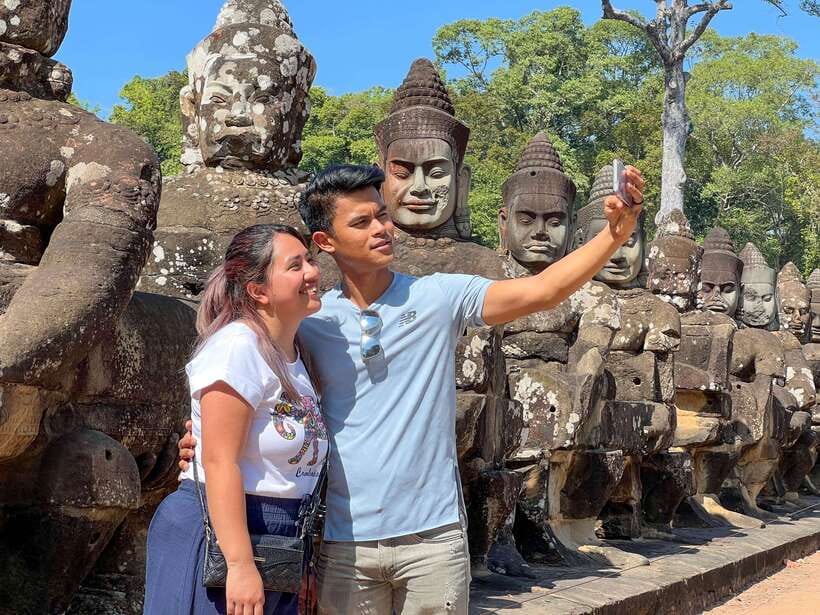
The South Gate of Angkor Thom, also called Tonle Om Gate, takes about 15 minutes. The gate is known for its monumental faces and guardian figures along the approach. It provides a compact but useful final stop in the Angkor Thom area before the ride back to Siem Reap.
The order and timing can change slightly with traffic, crowds, or the guide’s judgment. The planned schedule gives you substantial time at Angkor Wat, Ta Prohm, and Bayon, with shorter visits at the terraces and gate. That balance makes sense for a first look, although anyone who wants to study inscriptions or photograph every angle may prefer a private arrangement.
Transport, heat, and the practical side
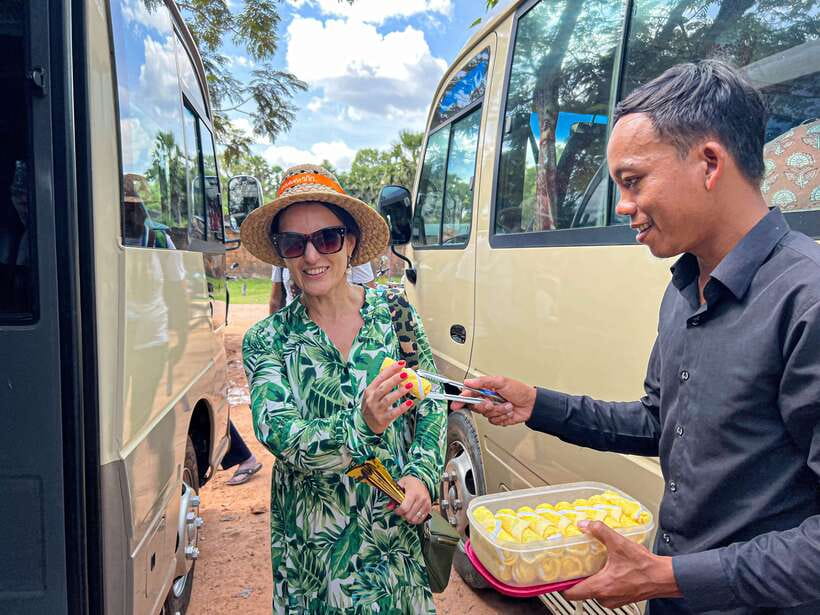
The tour uses an air-conditioned minivan or minibus. The vehicle matters most between temples, when a cool ride gives you a break from the heat and walking. Bottled water and cold towels are included, and several highly positive accounts specifically value those touches in Cambodia’s humidity.
The total duration is about nine hours, including the early pickup, temple visits, breakfast, and return drive. The final ride back to Siem Reap is listed at roughly 45 minutes. By the time you return, you will have been awake since before dawn and on your feet for much of the day.
Wear clothing that covers your shoulders and knees. Short skirts, skirts in general as listed in the rules, and sleeveless shirts are not allowed. Bring sunglasses, sunscreen, and insect repellent. A hat is also sensible, though it is not specifically listed as required.
You should also plan for the Angkor pass before the tour. It costs $37 per person and is not included in the $23 tour price. Buying it ahead of time is especially wise because stopping to purchase tickets can delay the whole group and reduce time at the best sunrise position.
Is $23 good value?
At $23 per person, the tour is priced well for a nine-hour guided day that includes hotel pickup and drop-off, transport, breakfast, an English-speaking guide, water, and towels. The value improves if you want a clear route through the major monuments and do not want to arrange transport, food, and temple explanations separately.
The true entry cost is higher once you add the $37 Angkor pass. That brings the basic total to $60 per person before lunch and soft drinks. It is still a reasonable price for the amount of ground covered, but you should budget honestly instead of treating the tour price as the full day’s cost.
Lunch is not included. Since the schedule already includes breakfast and continues through late morning or early afternoon, carry some extra money for food and drinks. The supplied details do not name a lunch restaurant, so do not book this expecting a second included meal.
The cancellation terms are flexible: you can cancel up to 24 hours ahead for a full refund, and you can reserve now and pay later. Those terms help if your Siem Reap plans are still shifting.
Who should book this sunrise tour?
This tour suits a first visit to Angkor. You get the essential temples, a local breakfast, a trained English-speaking guide, and transport between widely separated sites. Families can also appreciate the included water, towels, and air-conditioning, though very young children may find the pre-dawn start and long walking day tiring.
It is a good fit if you want context rather than a driver who simply drops you at each gate. The strongest guide experiences described here involve questions, temple details, history, and cultural explanations. If that sounds useful, choose the guided format.
It may not suit you if you dislike early mornings, need a slow pace, or want to spend an entire day at only one or two temples. The schedule covers a lot of ground. You will see the main sights, but some stops are brief.
Photography-focused visitors should also weigh the tradeoff. Sunrise gives you the best-known Angkor Wat view, but weather is never guaranteed. You may get clear colors, muted cloud cover, or no direct sun. The temple visit after sunrise gives you a second chance to enjoy the site even if the sky does not cooperate.
Should you book it?
I would book this if you want the main Angkor experience in one well-organized day and value a guide who can explain what you are seeing. The combination of sunrise, village breakfast, Ta Prohm, Bayon, and Angkor Thom gives you both famous views and a taste of everyday Cambodian food.
Book it with three things in mind: buy the Angkor pass before pickup, prepare for a 4:30 or 5:00 am start, and budget separately for lunch and drinks. If you accept those conditions, the $23 tour price offers strong value and a practical introduction to Siem Reap’s temples.
FAQ
What time does hotel pickup begin?
Pickup takes place between 4:30 and 5:00 am. You should wait in your hotel lobby 15 minutes before the scheduled pickup time.
How long does the tour last?
The full experience lasts about nine hours, including transportation, temple visits, breakfast, and the return to Siem Reap.
Is the Angkor pass included?
No. The 1-day Angkor pass costs $37 per person and must be paid separately.
What temples are included?
The route includes Angkor Wat, Ta Prohm, Bayon, Baphuon, the Terrace of the Elephants, the Terrace of the Leper King, and the South Gate of Angkor Thom.
What food is served at breakfast?
Breakfast includes Khmer rice noodles with green curry fish soup. You can also try palm cake and steamed rice dumplings with palm sugar.
Is there a vegetarian breakfast option?
Yes. A vegetarian option is available, but you need to request it in advance.
Is lunch included?
No. Lunch and soft drinks are not included.
What should I wear and bring?
Wear clothing that covers your shoulders and knees. Bring sunglasses, insect repellent, and sunscreen. Short skirts and sleeveless shirts are not allowed.
Is transportation included?
Yes. Hotel pickup and drop-off are included, along with transport in an air-conditioned minivan or minibus. Bottled water and towels are also provided.
Newly added sunrise trips around Siem Reap
- Sunrise at Angkor Wat with a sharing group★ 5.0 · 2 reviews
- Sunrise at Angkor Wat Temple: 3-Hour Private Tour★ 4.7 · 30 reviews
- Sunrise at Angkor Wat and Full day with Fascinating Temples★ 5.0 · 2 reviews
- Small-Group Explore Angkor Wat Sunrise Tour with Guide★ 5.0 · 3 reviews
- Siem Reap Temple Tour 2-Day with Sunrise/Sunset★ 3.7 · 3 reviews
- Angkor Wat: Sunrise 2.5 Days Temples & Tonle Sap-Small Group★ 5.0 · 10 reviews
- Siem Reap: Angkor Wat Sunrise Tour via Tuk Tuk & Breakfast★ 5.0 · 29 reviews
- Siem Reap: Angkor Wat Sunrise Tour with Spanish Guide★ 5.0 · 18 reviews
Sunrise Tours with Breakfast, compared at first light.
Sunrise Mount Batur Guided Hike with Breakfast
Read our review →
Mount Batur Sunrise Trek With Guide and Breakfast
Read our review →
Angkor Wat Sunrise & 3 Main Temples with Breakfast – Small Group
Read our review →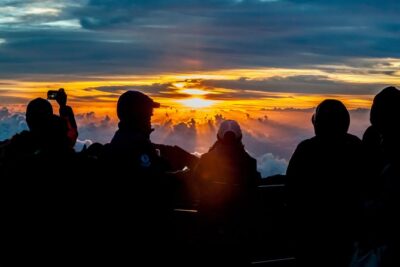
Maui: Haleakala Sunrise Spectacular with Local Breakfast
Read our review →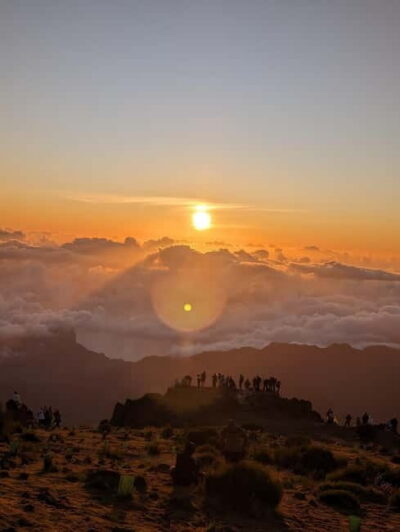
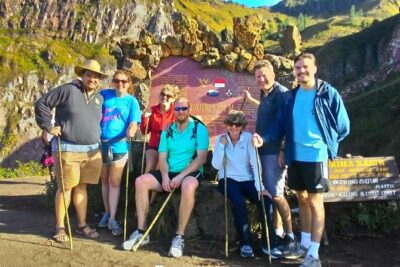
Mount Batur Sunrise Trekking Private Tour with Breakfast and Hotel Transfer
Read our review →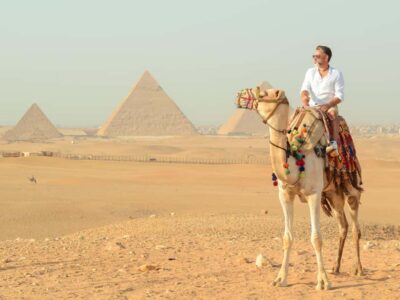
Giza Sunrise Pyramid Guided Tour With Camel Ride & Breakfast
Read our review →
Mount Batur Sunrise Trekking (Private Tour and Breakfast at Restaurant)
Read our review →More lists with this sunrise on them