
Review · WORLDWIDE
Sucre: Sunrise, the Crater de Maragua and old Cave Paintings
The oldest sights on this day are not the colonial chapel or the colorful mountains, but the Pumamachay and Incamachay cave paintings, made thousands of years ago. You reach them on foot after sunrise, following a trail through the Cordillera de los Frailes with wide views toward the Tumpeca Valley, Chaunaca, and Maragua Crater.
I like the mix of ancient rock art and living Jalqa culture, especially the visit to a community where lunch is served and textile traditions remain part of daily life. I also like that transportation, entry fees, breakfast, lunch, and a guide are included in the $105 price. The main drawback is the early start and long hike, with cold wind, rough roads, and uneven ground making this a poor choice if you struggle with altitude, vertigo, or mobility.
Key points to know before booking
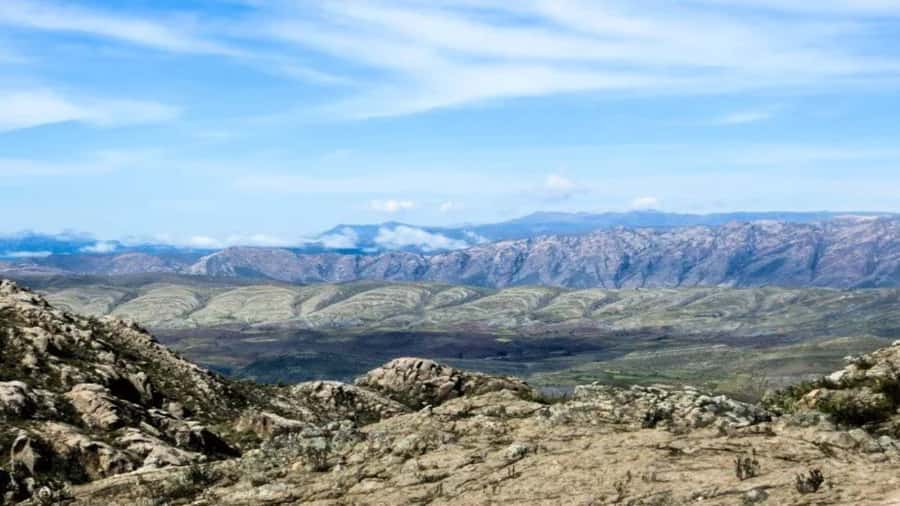
- Sunrise near Chataquilla: Start before dawn at a viewpoint by a colonial chapel, with a light breakfast while you wait for daylight.
- Four to five hours on foot: The trail includes a short climb, mountain paths, cave visits, and exposed sections where you must watch your step.
- Two ancient rock-art sites: Pumamachay and Incamachay offer a close look at paintings linked to communities that lived in the area long ago.
- Jalqa culture in the schedule: Lunch takes place in a Jalqa community, and the day may include a chance to meet a textile weaver.
- Maragua and Devil’s Throat: Finish with mineral-colored mountains, a small waterfall, and a viewpoint inside the famous crater.
- Small group, practical inclusions: The group is limited to 12, with private transport from central Sucre, headlamps, entry tickets, breakfast, and vegetarian lunch.
Why this day from Sucre is worth your time
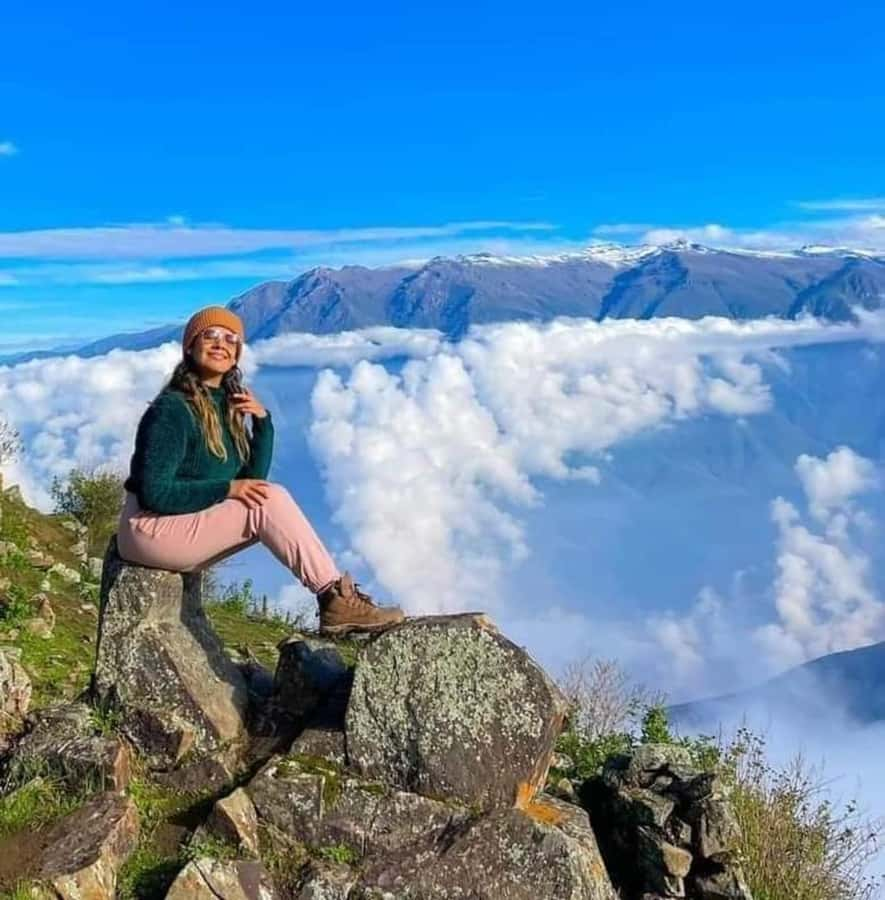
Sucre is known for white colonial buildings and pleasant plazas, but the countryside outside town offers a different kind of reward. This trip takes you into the Cordillera de los Frailes, a mountain area shaped by dramatic folds, exposed minerals, valleys, and old paths between Indigenous communities.
I like the way the day connects several subjects without turning into a string of unrelated stops. You get geology at Maragua Crater, archaeology at the caves, Catholic history at Chataquilla, and present-day Jalqa culture at the communities along the route.
At $105 per person, this is not the cheapest outing you can book around Sucre. But the price includes transportation, a bilingual guide, breakfast, a vegetarian lunch, entry tickets valued at $10, and a full day outside the city. If you tried to arrange transport and site access separately, the convenience would quickly become part of the value.
The day lasts about 10 hours. That sounds long, but much of the time is spent walking or taking in views rather than sitting at attractions. You should still treat it as a serious full-day hike, not a gentle sightseeing trip with a short stroll.
More Volcano Sunrise Tours in the world:
- Maui: Haleakala Sunrise Spectacular with Local Breakfast
★ 4.5 · 2,155 reviews - Borobudur Sunrise from setumbu Hill , Merapi Volcano & Prambanan Full Day Tour
★ 5.0 · 1,030 reviews - Haleakala Sunrise Best Self-Guided Bike Tour
★ 4.5 · 745 reviews
Starting before sunrise at Chataquilla
Pickup is arranged from accommodations in Sucre’s historic center, with earlier coordination by email. The precise departure time depends on the sunrise and the day’s schedule, but you will leave well before most visitors are awake.
The first stop is near the colonial chapel of Chataquilla, a place with importance to the Jalqa community. You begin in the dark or dim early light, so headlamps are provided. A flashlight of your own can still be useful, especially if you prefer a brighter beam or want a backup.
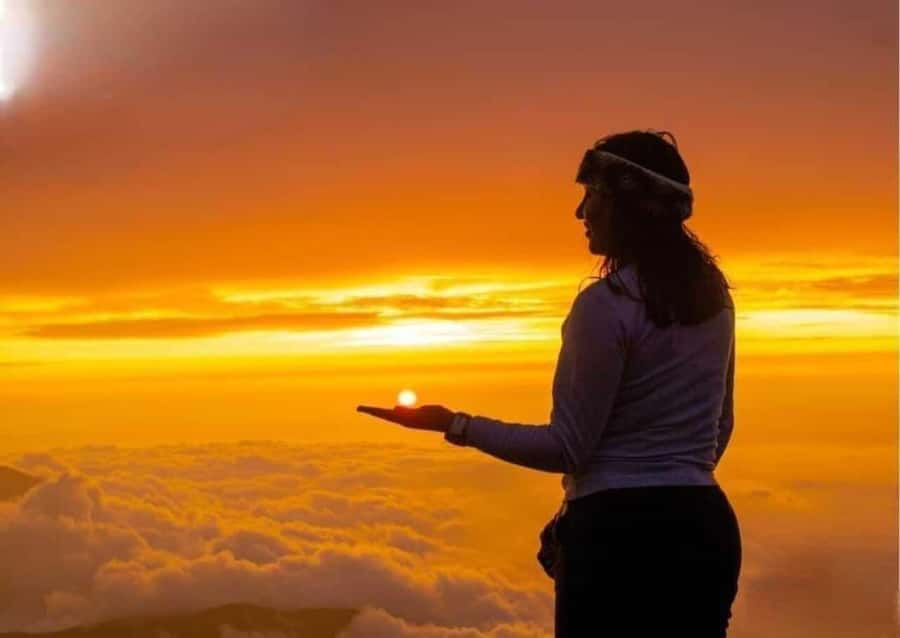
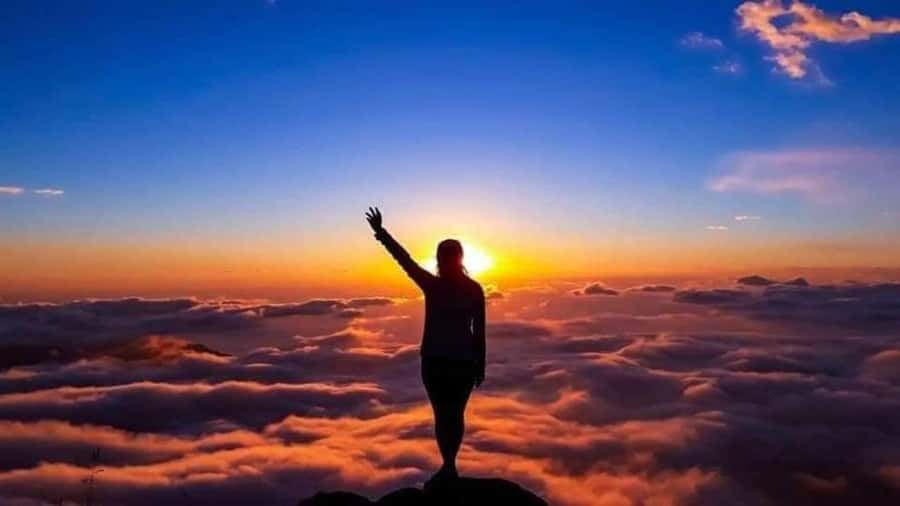
At the viewpoint, you wait for sunrise with a light breakfast. Expect a simple snack rather than a full meal, but it is welcome in the cold morning air. The early hours can be cloudy, windy, and very cold, so bring warm layers even if Sucre felt mild the day before.
Sunrise is not guaranteed to be dramatic. Cloud cover can hide the colors, and one account of the day found the view less impressive than hoped. The setting still gives you a calm start in the Andes, but you should book this for the entire mountain route rather than for a perfect sunrise photograph.
After daylight arrives, you visit the chapel and hear about its role in the region. The chapel is a short part of the morning, but it gives you useful context before the hike moves into the mountains.
The first climb and views toward Tumpeca
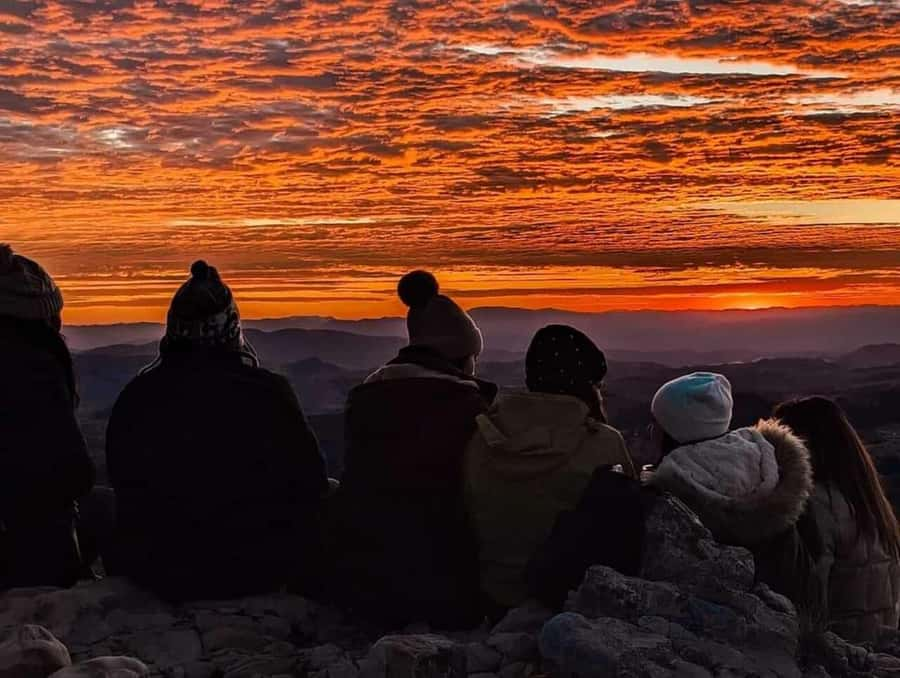
From Chataquilla, the trail climbs for about 20 minutes toward a summit or high viewpoint. This first ascent helps set the pace for the rest of the day. It is not described as a technical climb, but the combination of altitude, cold air, and uneven ground can make it feel demanding.
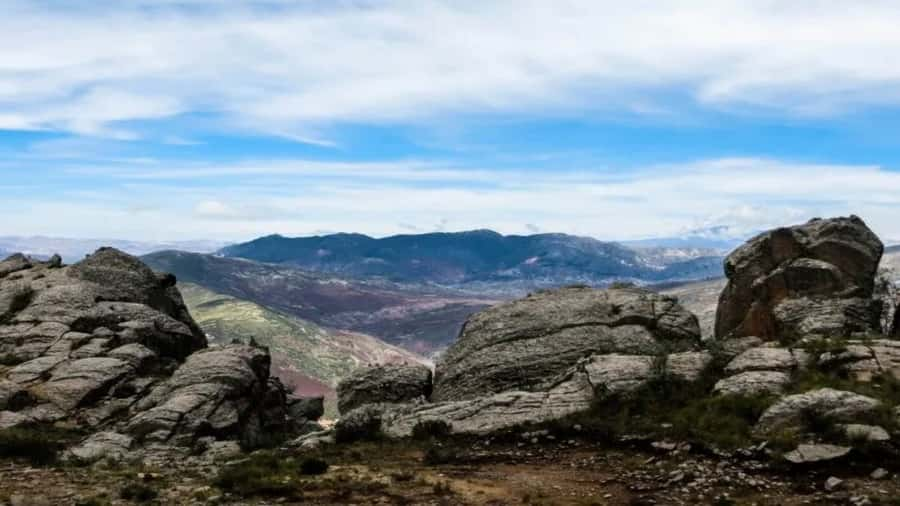
From the top, you can look toward the Tumpeca Valley, the Indigenous community of Chaunaca, Maragua Crater, and part of Sucre. This is one of the best points for understanding the area’s scale. Rather than seeing the crater as an isolated attraction, you see how it fits into a wide sweep of valleys and folded mountains.
The route then continues through the Cordillera de los Frailes. You pass geological formations, local plants, and areas of forest. There is also a chance of seeing Andean wildlife, although no animal sighting is promised.
Stay focused on the trail. The guidance specifically warns you to watch your step during the early part of the hike, and that advice remains useful throughout the morning. Rain can change the footing, while wind and exposure can make a familiar path feel less comfortable.
Pumamachay and Incamachay cave paintings
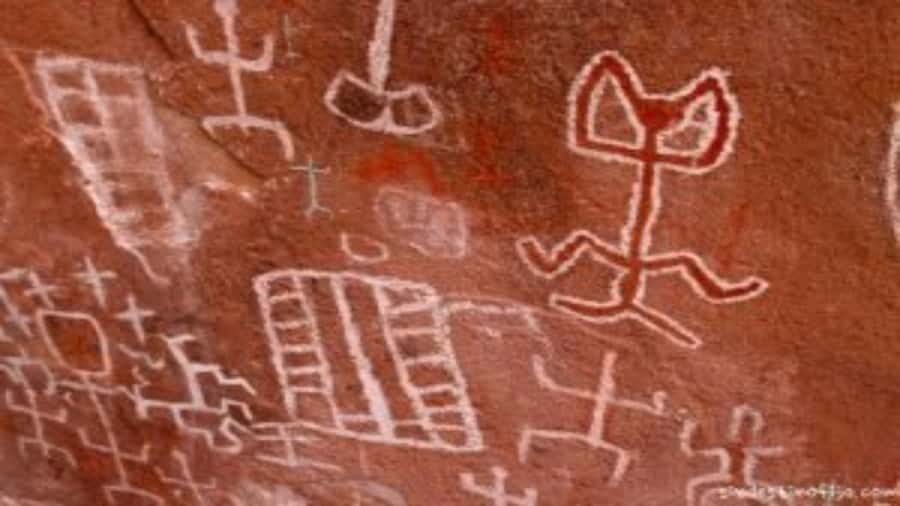
After roughly two hours of walking, you reach Pumamachay Cave. The paintings here are the archaeological heart of the day. They date back thousands of years and offer a direct connection to human life in these mountains long before modern roads reached the area.
Do not expect a large museum-style display with extensive lighting and signs. This is a natural cave site, so the paintings are viewed in their original setting. That makes the visit feel immediate, but it also means you need to listen carefully to the guide and take care around the rock surfaces.
The guide helps explain what you are seeing and why the site matters. English and Spanish tours are available, and past departures have been led by guides including Karina and Manuel. Karina has been praised for her friendly, professional approach and good English, while Manuel has also guided the route in English.
Around 30 minutes farther on, you reach Incamachay. This second site has more cave paintings and traces of earlier communities. Visiting both locations is valuable because the sites are part of the walk itself rather than isolated roadside stops.
The cave visits also give the hike a clear purpose. You are not simply walking for scenery and then returning to town. The route links physical effort with archaeology, which makes the morning feel more substantial.
More early starts worth the alarm around the world:
- Angkor Wat Sunrise or Sunset Tour with Guide from Siem Reap
★ 5.0 · 12,109 reviews - Bali: Sunrise Mount Batur Guided Hike with Breakfast
★ 4.8 · 9,660 reviews - Siem Reap: Angkor Wat: Small-Group Sunrise or Sunset Tour
★ 5.0 · 9,444 reviews - Bali: Mount Batur Sunrise Guided Hike and Natural Hot Spring
★ 4.8 · 9,284 reviews
Arriving at the Jalqa communities
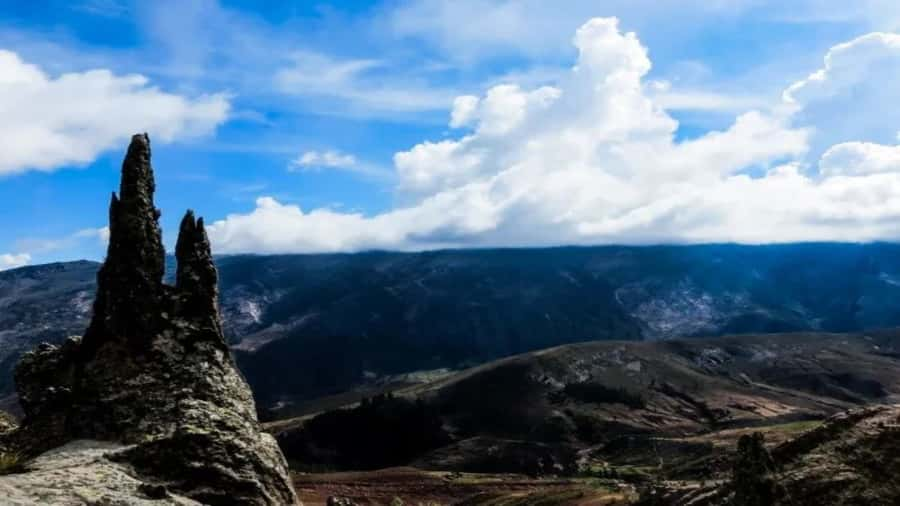
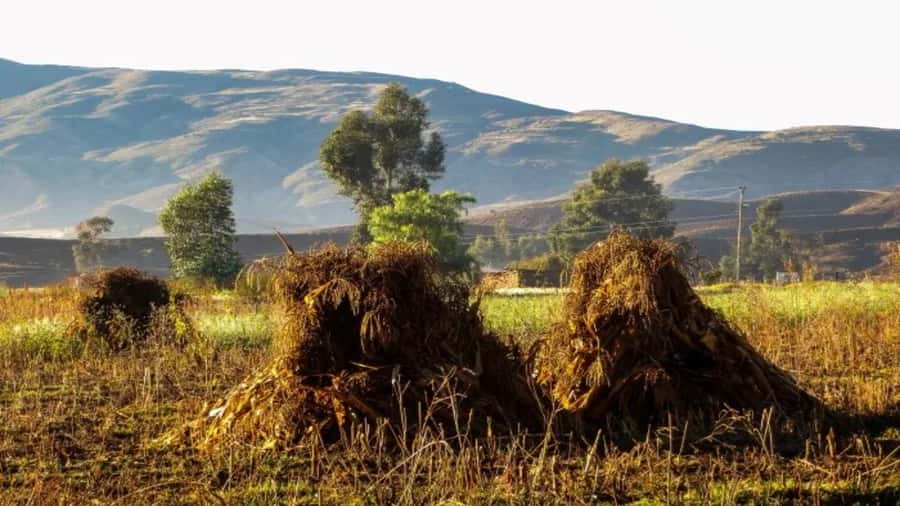
The trail eventually leads to Tumpeca, a Jalqa community in a valley near a river. This is where the day shifts from ancient remains to living culture.
Jalqa communities are associated with distinctive textile traditions, and the visit gives you a chance to see that culture in a local setting rather than only in a shop in Sucre. One account of the tour included meeting a textile weaver and taking home a bracelet. That kind of contact can be a memorable part of the day, though the exact interaction may depend on local arrangements.
You should approach this part with respect and patience. It is not a staged cultural performance described in detail, and the schedule may move at the pace of the community and the trail. The value is in seeing how the route connects the mountains with people who live and work there.
The vegetarian lunch is served during the community portion of the trip, with the meal described as tasty and filling. Food is included, but water and extra snacks are not. Bring more water than you think you need, plus a few easy snacks for the hike.
Maragua Crater and mineral-colored mountains
After leaving Tumpeca, you travel by Jeep or SUV toward Maragua. The drive takes roughly 40 to 45 minutes according to the available timing, though road conditions can affect the journey. The roads are rough enough that people prone to motion sickness should carry their preferred remedy.
A careful driver makes a real difference here. Don Gabino has been specifically praised for making the road journey feel safe, but you should still expect bends and an uneven ride. Sit where you are most comfortable, keep water accessible, and use a waterproof bag for cameras and other gear if rain threatens.
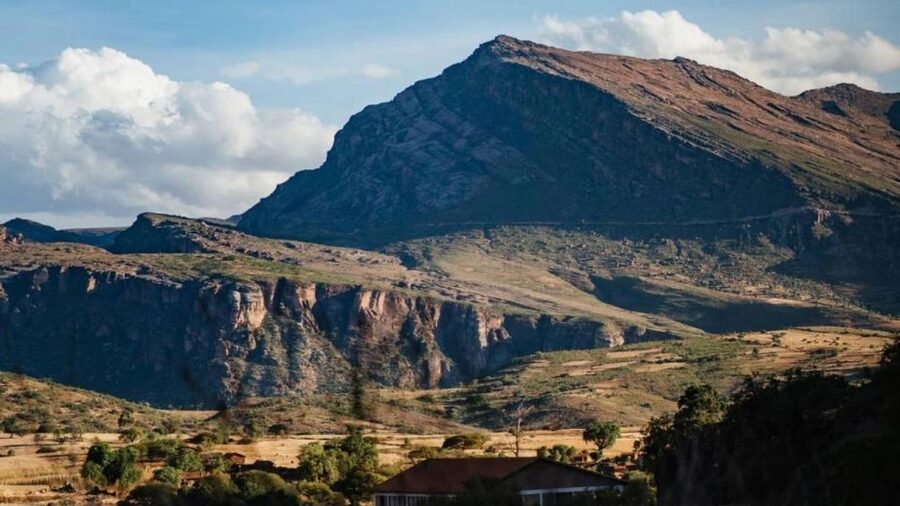
Maragua Crater is not a perfectly round hole in the ground. It is a dramatic geological formation with folded, ridged sides and a patchwork of colors. The mountains around Sucre show reds, purples, greens, and other tones created by different minerals in the rock.
The colors are most interesting when the light changes or clouds move across the slopes. You may find the views more impressive here than at sunrise because the crater gives the day a strong visual finish. The guide explains the formation while leading you to viewpoints and through the nearby Jalqa community of Maragua.
The name can make the site sound like a single lookout, but there is more to it than one photograph. You spend time seeing the crater from different angles and understanding how the surrounding valleys, ridges, and settlements fit together.
Devil’s Throat and the final viewpoint
Inside the Maragua area, the route includes Devil’s Throat, a small waterfall and viewpoint. The waterfall is not a huge cascade, so do not come expecting a major natural spectacle. Its appeal is the setting, with water, rock, and the colored mountains gathered into one final stop.
This section gives you a quieter end to the active part of the day. You can pause for photographs and take in the scale of the surrounding ridges before beginning the return journey.
The final drive back to Sucre takes about two hours. After several hours of walking, that ride can feel long, but it also gives your legs a break. The tour ends back in Sucre after approximately 10 hours.
What the $105 price really includes
The price makes the most sense if you value transport and a guide as much as the sights. Included are pickup and return transport, a live guide in English or Spanish, the Chataquilla chapel visit, breakfast, entry tickets, headlamps, the full mountain hike, cave visits, a vegetarian lunch, Maragua Crater, the Jalqa community, Devil’s Throat, and the return to Sucre.
The small-group limit of 12 matters. A group this size is easier to manage on a narrow trail and gives you a better chance to hear explanations at the cave sites. It also keeps the community visit from feeling like a large bus excursion.
You still need to pay attention to what is not included. Water and snacks are your responsibility. Bring enough water for the hike and drive, plus food for the gaps between breakfast and lunch.
Free cancellation up to 24 hours before departure and a reserve-now, pay-later option make the booking less rigid. Pickup is included only for accommodations in Sucre’s historic center unless another arrangement is confirmed, so check this before you assume a pickup outside the center.
Clothing and fitness advice for the trail
Wear proper hiking shoes, not thin sneakers. The route includes a summit climb, uneven paths, cave entrances, and mountain sections where rain can make the ground slippery.
Pack warm clothing, a hat, sunscreen, rain gear, a flashlight, water, snacks, and a waterproof bag. The need for both warm layers and sun protection is easy to underestimate. The morning may be cold and windy, while later hours can expose you to strong high-altitude sun.
You should be comfortable walking for roughly four to five hours. The tour is not suitable for children under 10, pregnant women, wheelchair users, people with mobility impairments, or anyone dealing with vertigo or altitude sickness. The supplied information also lists children under 13 as unsuitable, so families should clarify the age rule before booking.
The route is best for an active adult who can manage uneven ground and a long day. You do not need to be a technical mountaineer, but you should not treat this as a casual city excursion.
Who should book this Sucre day trip?
I would choose this outing if you want to see more than the center of Sucre and enjoy walking as the main activity. It is especially well suited to you if ancient rock art, Indigenous culture, geology, and wide mountain views all sound worthwhile in the same day.
It is also a good option for solo visitors who want organized transport and a small group. The included meals and guide remove much of the planning, while the group limit keeps the day personal.
I would hesitate if your main goal is a guaranteed sunrise photograph, a relaxed drive, or a short easy walk. The sunrise may be muted by clouds, the roads can be rough, and the hike requires attention from the first dark stretch to the final viewpoint.
Should you book the Maragua Crater and cave-painting tour?
Book it if you want a full mountain day with real variety: sunrise, a colonial chapel, ancient paintings, Jalqa communities, mineral-colored rock, a waterfall, and Maragua Crater. The strongest parts are the long walking route and the cave sites, not simply the final viewpoint.
Skip it if you dislike early starts, rough vehicle rides, or sustained hiking. For the right visitor, the $105 cost is fair because it covers nearly every major expense and provides a practical way to reach places that would be difficult to arrange independently.
FAQ
How long does the tour last?
The experience lasts about 10 hours, including pickup in Sucre, the hike, visits to the caves and Maragua Crater, and the return drive.
Is transportation from Sucre included?
Yes. Private transportation to and from Sucre is included. Pickup is arranged for accommodations in the historic center, with prior coordination by email.
How much walking is involved?
The route includes a short climb of about 20 minutes near Chataquilla, followed by several hours of walking through the Cordillera de los Frailes. The overall hike is roughly four to five hours.
Are meals included?
A light breakfast is provided while you wait for sunrise, and a vegetarian lunch is included near the Jalqa communities and Maragua area. Water and snacks are not included.
What languages are available?
The live guide service is available in English and Spanish. Guides who have led this experience include Karina and Manuel.
Is the tour suitable for people with limited mobility?
No. The activity is not suitable for wheelchair users or people with mobility impairments. It is also not recommended for people with vertigo, altitude sickness, or pregnant women.
Newly added sunrise trips around the world
- Cappadocia Classic Car Experince Sunrise, Sunset & Daytime Tour★ 5.0 · 6 reviews
- Cappadocia: Blue Tour and Sunrise Balloon Tour★ 5.0 · 8 reviews
- Cappadocia Camel Ride Experience Sunset & Sunrise & Daytime★ 5.0 · 2 reviews
- Cappadocia Sunrise Hot Air Balloon Watching Tour w/Transfer★ 5.0 · 73 reviews
- Cappadocia Balloon Watching Experience at Sunrise★ 5.0 · 2 reviews
- Cappadocia Hot Air Balloon Tour Sunrise With Breakfast★ 3.0 · 11 reviews
- Cappadocia Camel Ride at Sunset Sunrise or Daytime★ 5.0 · 20 reviews
- Cappadocia: Balloon Flight at Sunrise★ 4.5 · 28 reviews
Volcano Sunrise Tours, compared at first light.
Maui: Haleakala Sunrise Spectacular with Local Breakfast
Read our review →
Borobudur Sunrise from setumbu Hill , Merapi Volcano & Prambanan Full Day Tour
Read our review →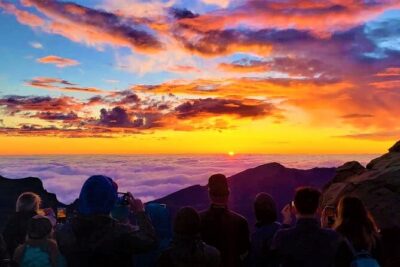
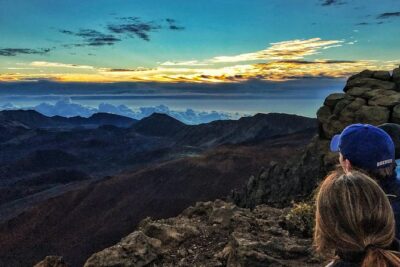
Maui: Majestic Haleakala Sunrise Tour with Pick-up
Read our review →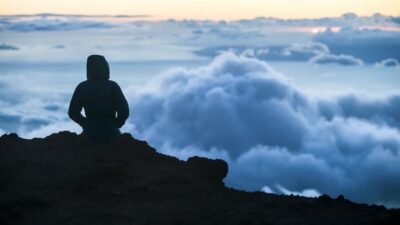
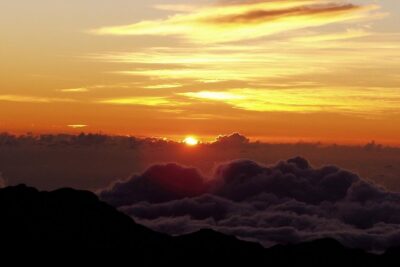
Haleakala Sunrise Tour with Breakfast and West Side Pickup
Read our review →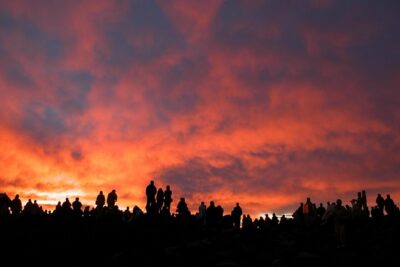
Maui Haleakala Sunrise Downhill Bike Tour with Mountain Riders Rated #1
Read our review →
More lists with this sunrise on them