
Review · KATHMANDU
Nagarkot Sunrise With 7 UNESCO World Heritage Private Tour
Nagarkot sunrise is the hook here: from 2,175 meters, the first light can spread across the Himalayas, with Mount Everest visible on a clear day. I like that the tour pairs this quiet mountain view with all seven UNESCO World Heritage sites in the Kathmandu Valley, and I like having a private vehicle and guide for a route that would be tiring to manage alone.
The drawback is simple: this is a very full 12-hour day. You will see an impressive amount, but you will not have endless time at each temple or square. The sunrise also depends on weather, so cloud can soften the mountain view even when the rest of the tour runs perfectly.
Key points to know before booking
- Sunrise begins the day at 2,175-meter Nagarkot, with possible views toward Mount Everest and the Himalayan range.
- Seven UNESCO sites follow in one long circuit, including four major squares or temple complexes and three important religious centers.
- A private, air-conditioned vehicle makes the long route more comfortable and keeps the schedule under your control.
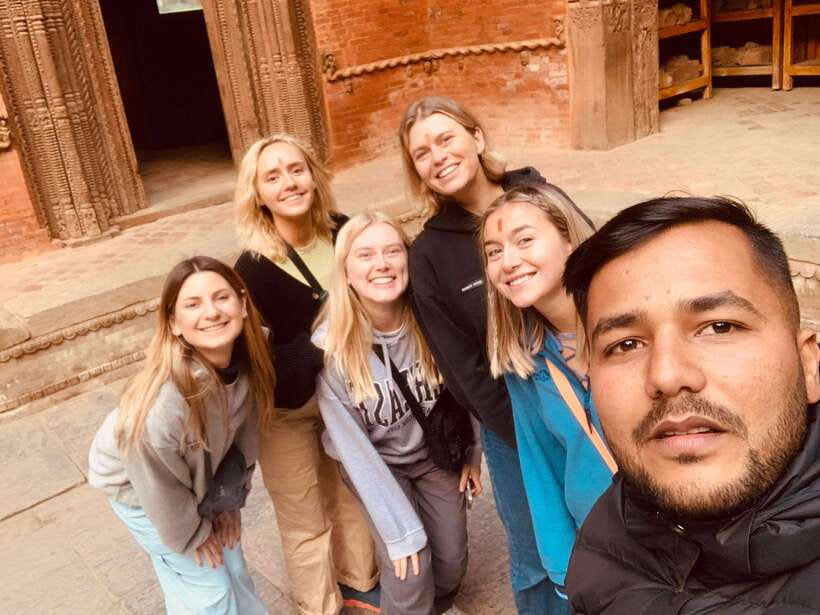
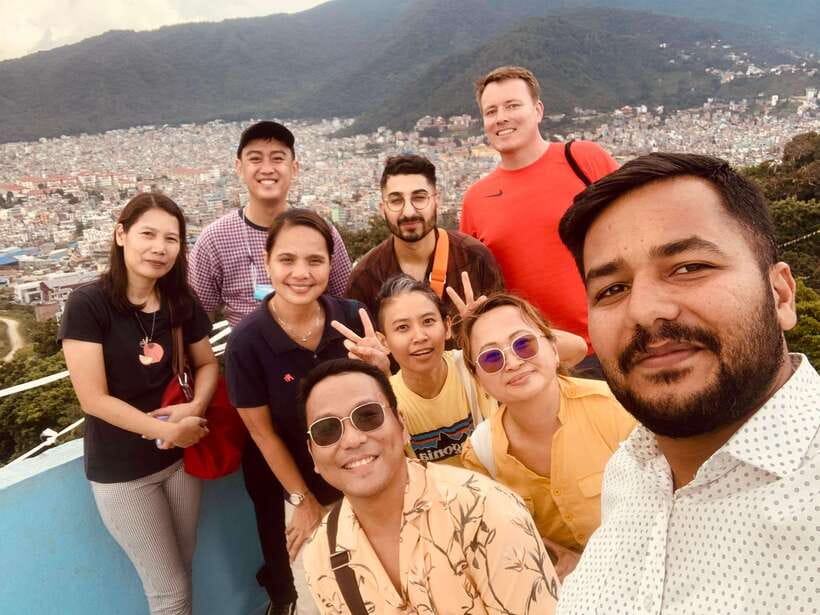
- Santosh may guide the tour, explaining Hindu and Buddhist beliefs, ceremonies, festivals, and local customs.
- Pashupatinath can be the most powerful stop, with sacred river rituals and traditional cremation activity on the Bagmati River.
- The $172 price does not include about 6,000 Nepalese rupees in entrance fees, or food and drinks.
Why this Kathmandu day is unusually ambitious
Most Kathmandu sightseeing days focus on two or three major monuments. This one tries to cover the entire valley’s main UNESCO collection, beginning outside the city and ending back in Kathmandu. That makes it useful for a short visit, especially if you want a strong first look at Nepal’s art, faith, and royal past.
You will move between hill country, old royal cities, Buddhist pilgrimage sites, and Hindu temple grounds. The variety is the real appeal. One hour you are looking across the Himalayas; later you are turning prayer wheels at Boudhanath, studying Newari carvings in Patan, or watching religious life unfold beside the Bagmati River.
I would not treat this as a slow temple walk. It is a broad survey, not a leisurely study of one neighborhood. You will get the best value if you arrive ready for a long day, listen closely to your guide, and accept that some stops will feel brief.
More Private Sunrise Tours in Nepal
- Kathmandu: Nagarkot Sunrise & Hike with Lunch -Private/Group
★ 4.9 · 122 reviews - Nagarkot Sunrise View & Day Hiking with Lunch – Private/Group
★ 5.0 · 73 reviews - Kathmandu: Nagarkot Sunrise Tour Private or Group with Lunch
★ 4.5 · 14 reviews
Nagarkot sunrise at 2,175 meters
The day starts with hotel pickup inside Kathmandu Valley and a drive to Nagarkot. The goal is the sunrise, so expect an early start, although the exact time changes with the season and the selected departure time.
Nagarkot is a hill station known for views across the Himalayas. On a clear morning, the range catches the first gold light, and Mount Everest may be visible. The experience is about patience: the reward depends on cloud cover and visibility, not just on reaching the viewpoint.
Bring a warm layer. The information provided does not specify a viewing platform, café stop, or indoor shelter, so you should prepare for an outdoor wait. You may get a clear mountain panorama, or you may get shifting cloud and only partial views. That uncertainty is part of any Himalayan sunrise outing.
This is also a smart opening to the day. Before the traffic and temple crowds build, you get a quiet contrast to central Kathmandu. The mountain stop gives the tour an emotional lift before the more detailed cultural visits begin.
Changunarayan Temple and the valley’s oldest sacred tradition
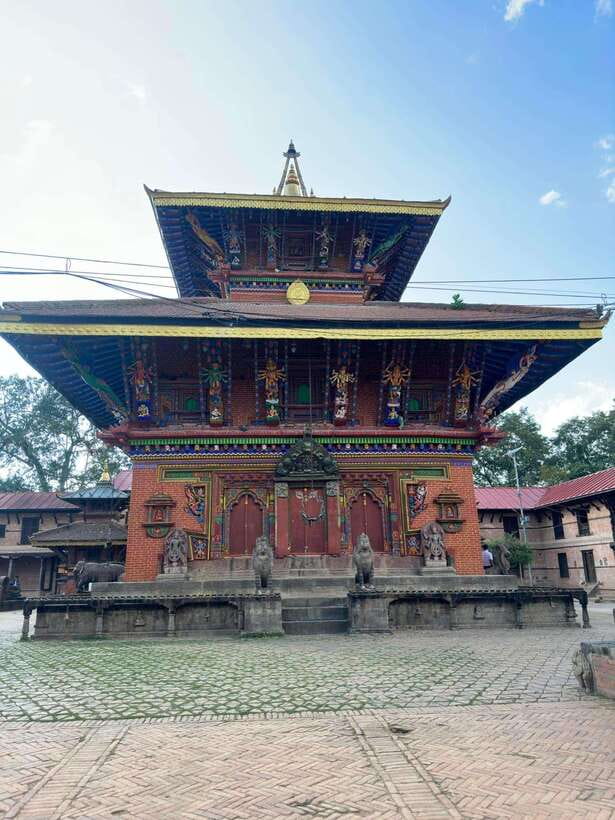
After sunrise, the route heads to Changunarayan Temple for about 30 minutes of sightseeing. The temple is dedicated to Lord Vishnu and is described as the oldest Hindu temple in the Kathmandu Valley, with origins dating to the fourth century.
The short visit means your guide matters. Look for the carved details and traditional Nepali architecture rather than expecting a large complex with hours of exploration. This is a place where a clear explanation can help you understand why Vishnu is important and how the temple fits into the valley’s older religious story.
Changunarayan also gives the day a quieter start among the heritage sites. Compared with the larger royal squares, it can feel more focused. The tradeoff is time: thirty minutes is enough for an introduction and photographs, but not for a slow examination of every carving.
Bhaktapur Durbar Square and the best sense of an old royal city
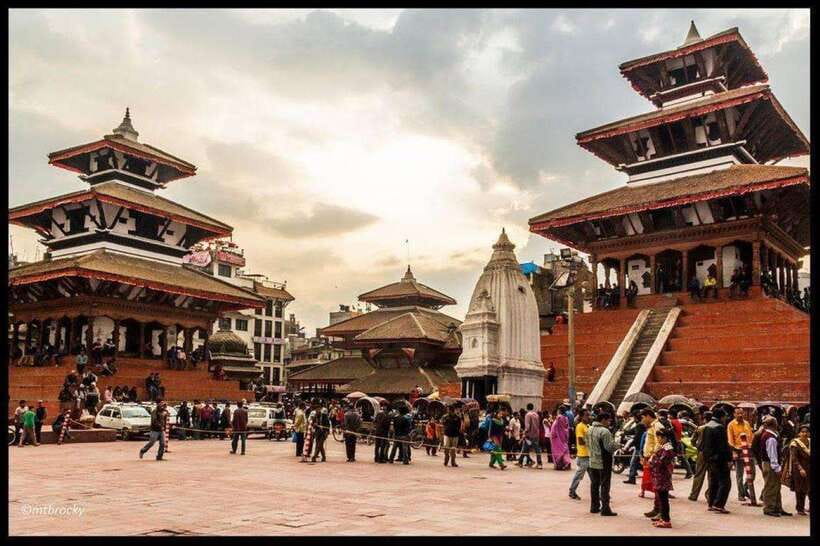
The next stop is Bhaktapur Durbar Square, with about 90 minutes set aside. Bhaktapur is a former royal center known for traditional art, architecture, and culture. Its key sights include the 55-Window Palace, Vatsala Temple, and Nyatapola Temple.
This is one of the places where the tour’s pace may feel tight. There is enough time to see the main monuments and hear the story of the square, but you may want to return later if you prefer quiet corners, detailed photography, or a slower look at Newari craftsmanship.
Your guide can help connect the buildings to the Malla period and explain how the square functioned as more than a collection of temples. Festivals, royal life, religious practice, and local traditions all meet here. The tour also aims to introduce local food, customs, and daily life, so ask questions when you see activity beyond the main monuments.
More Private Sunrise Tours in Kathmandu:
- Pokhara: 2 Day Ghorepani & Poon Hill Private Trekking
★ 4.9 · 8 reviews - Bali/Mount Batur: Private Sunrise Jeep Tour & Hot Spring
★ 4.8 · 3,528 reviews - Full-Day Angkor Wat Sunrise Private Tour with Guide from Siem Reap
★ 5.0 · 2,920 reviews - From Delhi: Taj Mahal and Agra Fort Private Sunrise Tour
★ 4.9 · 2,270 reviews
Patan Durbar Square and Newari craftsmanship
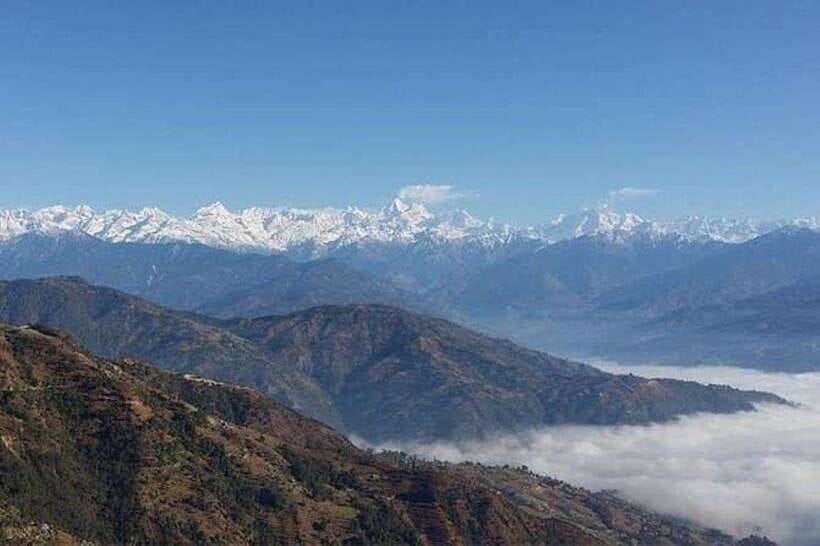
Patan Durbar Square, in Lalitpur, receives about one hour. The square is known for its Newari architecture, Malla-era palaces, and temples, including Krishna Mandir.
Patan is a strong stop for anyone interested in design. Stone, brick, metal, wood, and carved detail are central to the visual experience. Krishna Mandir is especially important, and the square gives you a chance to compare Patan’s style with Bhaktapur’s buildings.
One hour is enough to understand the setting, but it will pass quickly. I would keep your camera ready and avoid spending the whole visit at the first impressive courtyard. Let the guide set the route, then use any spare minutes for the architectural details that catch your eye.
Because this is a private tour, you can ask for more context about Hindu worship, Malla rulers, or Newari traditions. That personal conversation is one of the better reasons to choose a private format over a large group.
Boudhanath Stupa and Tibetan Buddhist life
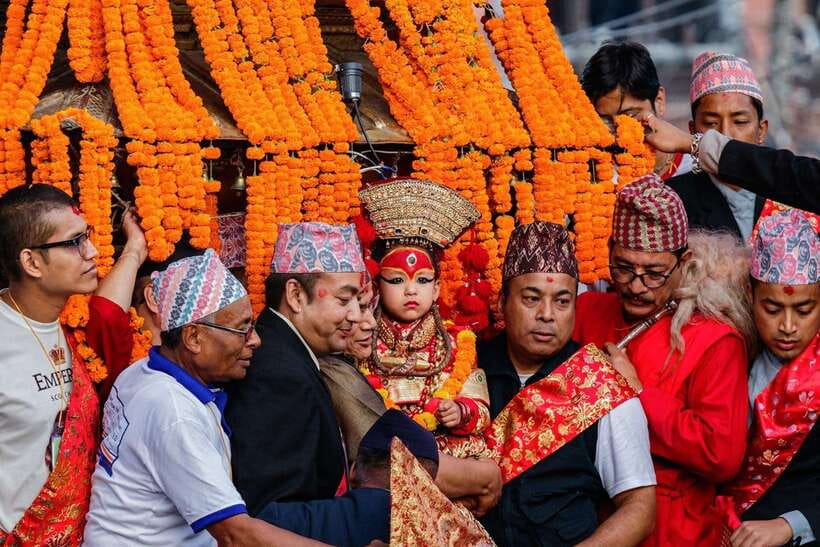
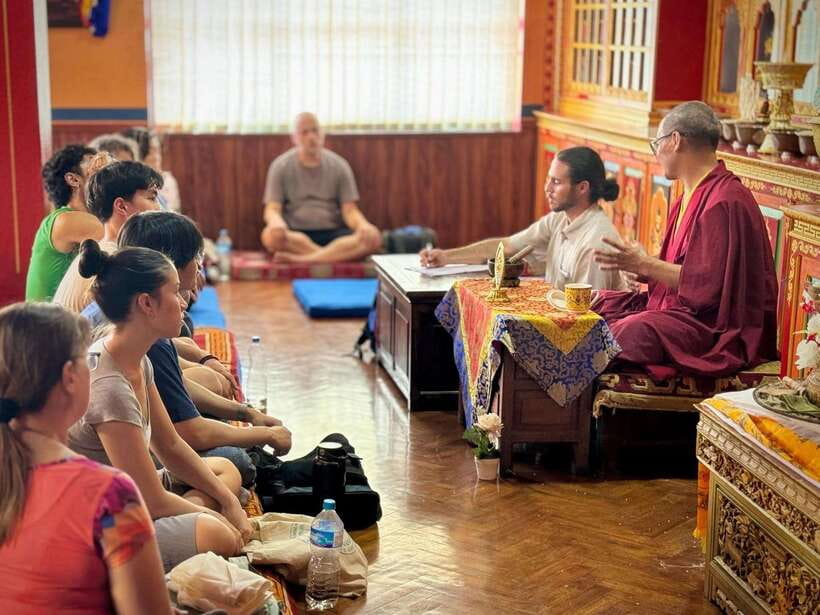
The visit to Boudhanath Stupa lasts about one hour. This is one of Nepal’s largest stupas and a major center of Tibetan Buddhism. Its huge mandala shape is surrounded by monasteries and a strong Tibetan cultural presence.
The scale changes the mood of the tour. After royal squares and Hindu temples, Boudhanath brings you into a Buddhist setting centered on the stupa, prayer wheels, and ritual movement. Your guide can explain Buddhist symbols and help you understand how the monument functions as a place of worship rather than simply a historic structure.
Walk with care and follow the direction suggested by local practice around the stupa. The experience is more meaningful when you notice the religious activity instead of treating the circuit as a quick photo stop.
An hour gives you time to see the main area and absorb the setting. It may not allow a long visit to several monasteries, especially if traffic has slowed the route earlier in the day.
Pashupatinath Temple and the Bagmati River
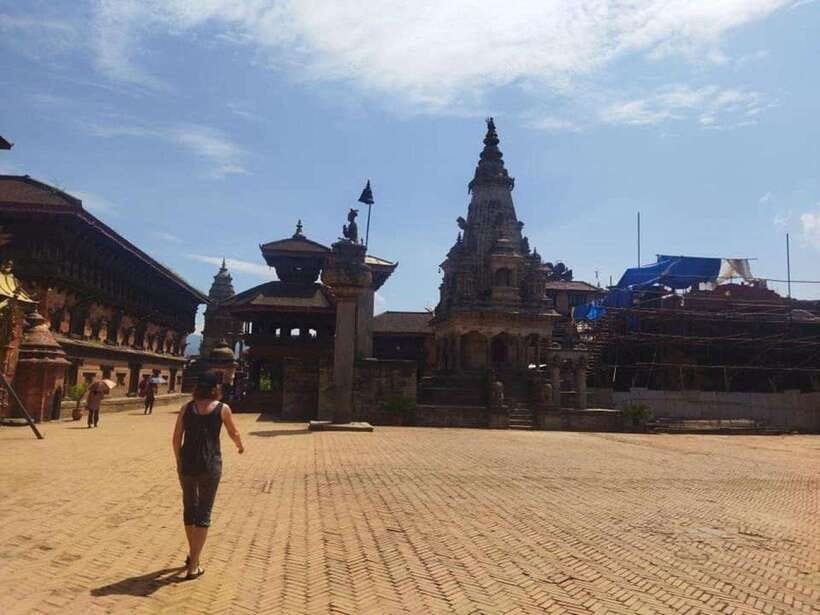
Pashupatinath Temple is dedicated to Lord Shiva and sits along the Bagmati River. The schedule allocates roughly 40 minutes, though the supplied timing is written unclearly, so confirm the exact stop length before departure.
This can be the most emotionally direct part of the day. Pashupatinath is a major Hindu pilgrimage center, known for religious ceremonies and traditional cremations along the riverbank. You may see funeral activity or a cremation procession, which can be confronting. It is not staged for visitors, so your guide’s advice on respectful behavior matters.
The tour’s aim is not just to show architecture. It also explains Hindu belief, ritual, and the rhythms of life around the temple. One guide, Santosh, is noted for explaining religious ceremonies and customs in an engaging way, including special festival observances such as Shiva Day. If he leads your tour, use the opportunity to ask direct questions.
Keep your camera use discreet and follow instructions from your guide. This is a sacred place and a working religious site, not a museum display. Even with limited time, Pashupatinath can leave the strongest impression because it places faith, family, death, and public ritual in the same setting.
Kathmandu Durbar Square in the heart of the capital
Kathmandu Durbar Square receives about one hour. This historic plaza was once the royal seat of the Malla kings and is filled with palaces, courtyards, and temples.
The square also remains tied to religious festivals and cultural events. That connection helps you see the monuments as part of Kathmandu’s living center, rather than as ruins separated from modern life.
A guide can help you sort out the palace buildings, temple forms, and festival traditions. Without context, the many courtyards and shrines can blur together after such a long day. With explanation, the square becomes a useful link between Nepal’s royal past and its current religious life.
The one-hour visit is sensible given the full route, but it is not generous. If Kathmandu Durbar Square is your main interest, a separate return visit would allow more time.
Swayambhunath, the Monkey Temple, and the final city view
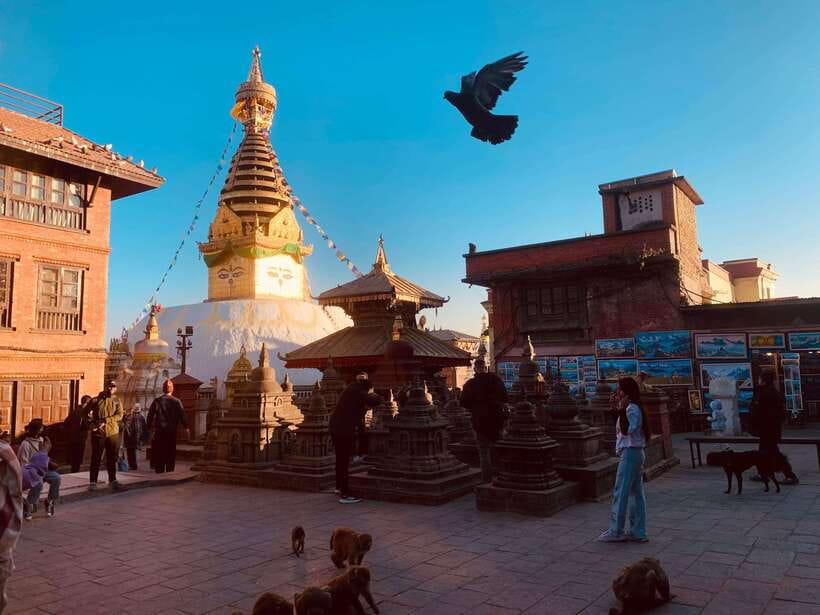
The last major stop is Swayambhunath, also called the Monkey Temple, with about 30 minutes of sightseeing. The ancient religious complex sits on a hill and is respected by both Buddhists and Hindus.
Its stupa, prayer wheels, monkeys, and city views make it an easy place to recognize. The short stop is enough for a quick look and a final explanation of shared Hindu and Buddhist traditions, but it may feel rushed after eleven hours on the move.
Swayambhunath is a fitting ending because it brings together several themes from the day: hilltop views, Buddhist symbols, Hindu connections, and Kathmandu Valley history. You will return to Kathmandu after this visit, with hotel drop-off inside the valley included.
What the $172 price really covers
At $172 per person, this is not a low-cost sightseeing day. The price makes more sense if you value a private vehicle, an English-speaking guide, hotel pickup and drop-off, air conditioning, and the chance to cover seven major heritage sites in one day.
You must add entrance fees. The stated estimate is about 6,000 Nepalese rupees for all UNESCO sites. Food and drinks are also extra, while bottled mineral water is included.
The private format is the main value point. You are not tied to a large group’s questions or walking speed, and you can ask for more help with Hindu and Buddhist customs. Still, the tour cannot remove the basic cost of visiting so many monuments, and the packed schedule means you pay for breadth rather than unhurried time.
Free cancellation up to 24 hours before the tour and a reserve-now, pay-later option make the booking less rigid. The key decision is not flexibility, though. It is whether you want one very full day or several slower days with fewer sites.
Who should book this private UNESCO tour
I would recommend it to a first-time visitor with limited time in Kathmandu who wants a broad introduction to the valley. It also suits anyone who prefers a private guide to explain religion, architecture, rituals, and local customs as the day unfolds.
It is a good fit if you enjoy variety and do not mind changing locations often. The air-conditioned vehicle helps with the long route, and hotel pickup inside Kathmandu Valley keeps the morning simple.
I would hesitate if you want long meals, extended photography, or quiet time in each square. I would also think twice if the main purpose is only the Himalayan sunrise, since cloud may hide the mountains and most of the cost goes toward the cultural circuit afterward.
Final recommendation: book it for breadth, not a slow pace
Book this tour if you have one major sightseeing day and want the valley’s seven UNESCO sites connected by a guide who can explain both Hindu and Buddhist life. The strongest parts are the possible Nagarkot sunrise, the private transport, and Pashupatinath’s direct encounter with living ritual.
Skip it if you prefer a relaxed schedule or already know you want to study one or two sites in detail. For the right traveler, this is an efficient and memorable introduction to Kathmandu Valley, but you should accept the early start, long day, extra entrance fees, and uncertain mountain weather before paying.
FAQ
How long does the Nagarkot sunrise tour last?
The experience lasts 12 hours, including hotel pickup, the sunrise visit, seven UNESCO sites, and the return to Kathmandu.
Where does the tour start and end?
Pickup and drop-off are provided at hotels inside Kathmandu Valley. The tour starts from Kathmandu and returns there.
Is the tour private?
Yes. The experience is arranged for a private group rather than a shared group.
What language does the guide speak?
The live guide speaks English. Santosh is one guide associated with the experience.
Is transportation included?
Yes. A private air-conditioned vehicle is included, along with hotel pickup and drop-off inside Kathmandu Valley.
Are UNESCO entrance fees included?
No. Entrance fees are extra and cost about 6,000 Nepalese rupees in total.
Is food included?
No. Food and drinks are not included. Bottled mineral water is provided.
Can the tour be canceled for a refund?
You can cancel up to 24 hours in advance for a full refund. The tour also offers a reserve-now, pay-later option.
More History and Heritage Tours in Kathmandu
- Sunrise Hot Air Balloon Over the Historical sites in Luxor
★ 5.0 · 697 reviews - Historical Agra Day Tour: Taj Mahal Sunrise, Agra Fort and Baby Taj
★ 5.0 · 4 reviews - From Varanasi: Sunrise Boat Tour and Heritage Walk
★ 4.5 · 4 reviews - Siem Reap: Angkor Sunrise Private Tour – World Heritage Site
★ 5.0 · 3 reviews
Newly added sunrise trips around Kathmandu
- Pokhara: 2 Day Ghorepani & Poon Hill Private Trekking★ 4.9 · 8 reviews
- A Memorable Nagarkot Sunrise & Hike to Dhulikhel Day Tour★ 4.6 · 4 reviews
- Nagarkot Sunrise With Trip To Changu Narayan and Bhaktapur★ 4.9 · 8 reviews
- Nagarkot: Sunrise Tour & Hiking Trip Nagarkot from Kathmandu★ 5.0 · 4 reviews
- Kathmandu: Nagarkot Sunrise Tour with Day Hike★ 4.7 · 13 reviews
- Kathmandu: Nagarkot Sunrise Tour Private or Group with Lunch★ 4.5 · 14 reviews
- Kathmandu: Sunrise at Nagarkot & Hiking to Changunarayan★ 5.0 · 2 reviews
- Kathmandu: Nagarkot Sunrise & Hiking to Changunarayan★ 5.0 · 3 reviews
Private Sunrise Tours, compared at first light.
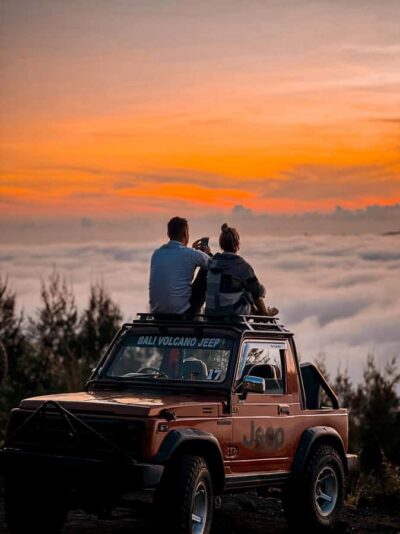
Bali/Mount Batur: Private Sunrise Jeep Tour & Hot Spring
Read our review →
Full-Day Angkor Wat Sunrise Private Tour with Guide from Siem Reap
Read our review →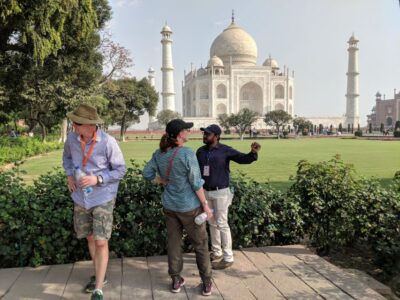
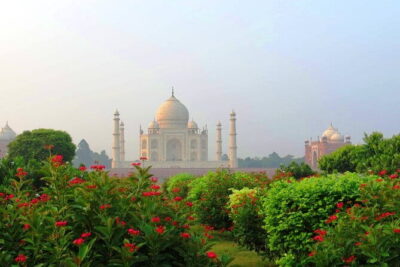
Private Sunrise Taj Mahal Trip from Delhi all Inclusive
Read our review →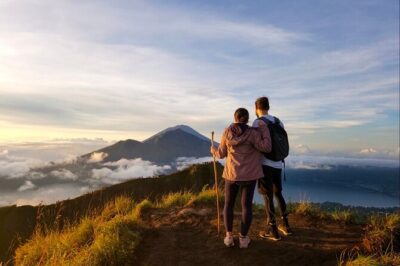
Mount Batur Sunrise Trekking Private All Inclusive
Read our review →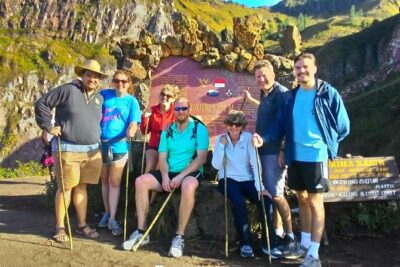
Mount Batur Sunrise Trekking Private Tour with Breakfast and Hotel Transfer
Read our review →
Private Tour Mount Batur Sunrise Trekking and Natural Hot Spring
Read our review →More lists with this sunrise on them