
Review · NEPAL
Sarangkot sunrise Tibetan cultural tour
Sarangkot is usually sold as a quick sunrise stop. This tour uses it as the opening scene for a much fuller day, moving from Himalayan views into Tibetan refugee settlements, monasteries, family kitchens, carpet workshops, and a medical center. Guide Thupten Gyatso, a Tibetan native, gives the day its human focus.
I like the honest food stops, especially breakfast in a local family home with salted butter tea, Tsampa, and Tibetan bread. I also like the chance to ask a monk about his daily routine and speak with a Tibetan doctor, rather than simply peering at buildings and taking photographs.
The main consideration is time. Nine hours of explanations, walking, food, and visits can feel long if you want a simple sightseeing morning. The sunrise and morning monastery prayer also overlap, so you visit the monastery but cannot attend its group chanting.
Key points about this Tibetan cultural day
- Sarangkot comes first: Start early for sunrise and Himalayan views, though clouds can block the scene.
- Two settlements, two perspectives: Visit Tashi Palkhel and Tashiling to learn how Tibetan communities have preserved language, religion, and identity in Nepal.
- Breakfast is part of the lesson: Try salted butter tea, Tsampa, and Tibetan bread in a family home.
- Real conversations matter: Speak with a young monk and a Tibetan doctor, including a pulse reading during the medical visit.
- See useful handwork: Watch Tibetan carpets being made by hand, then visit a showroom with finished designs.
- Small-group format: With no more than eight participants, the day allows questions and discussion rather than a one-way talk.
Why Sarangkot is only the beginning
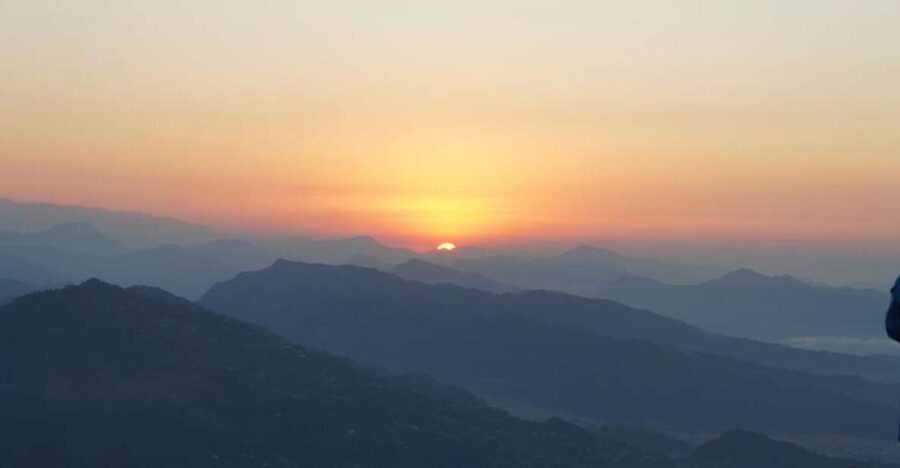
The day begins with pickup around Pokhara’s Lakeside area and an early drive up Sarangkot Hill. The starting time changes with sunrise, so you should expect a pre-breakfast departure and a morning built around the light.
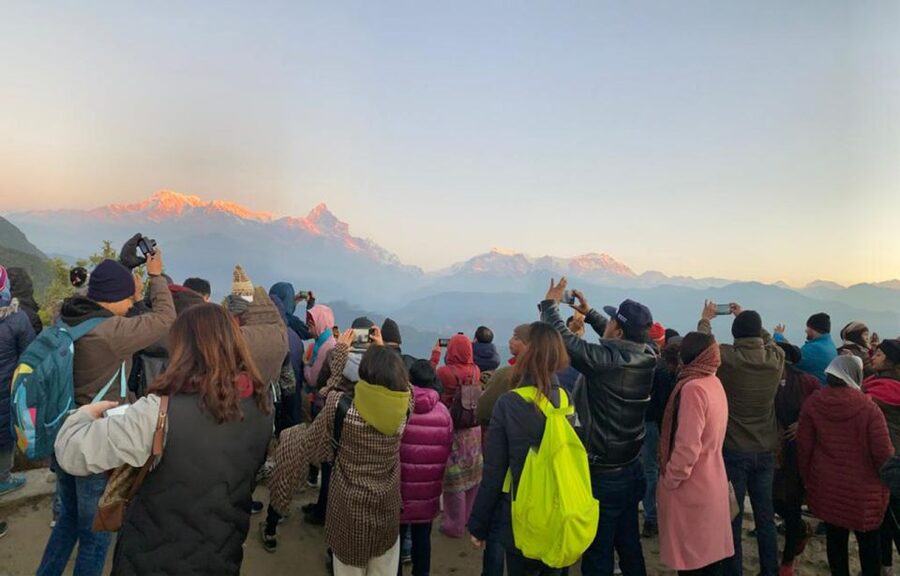
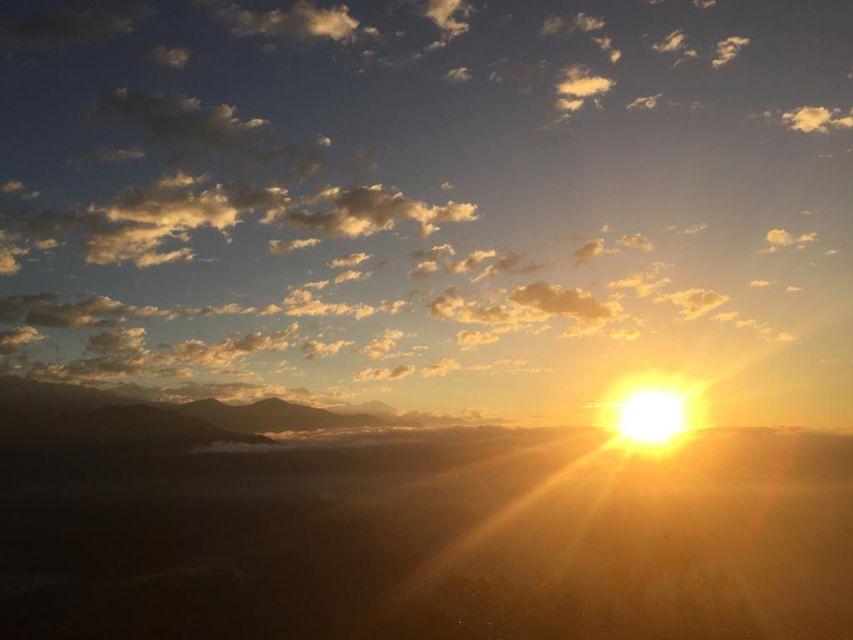
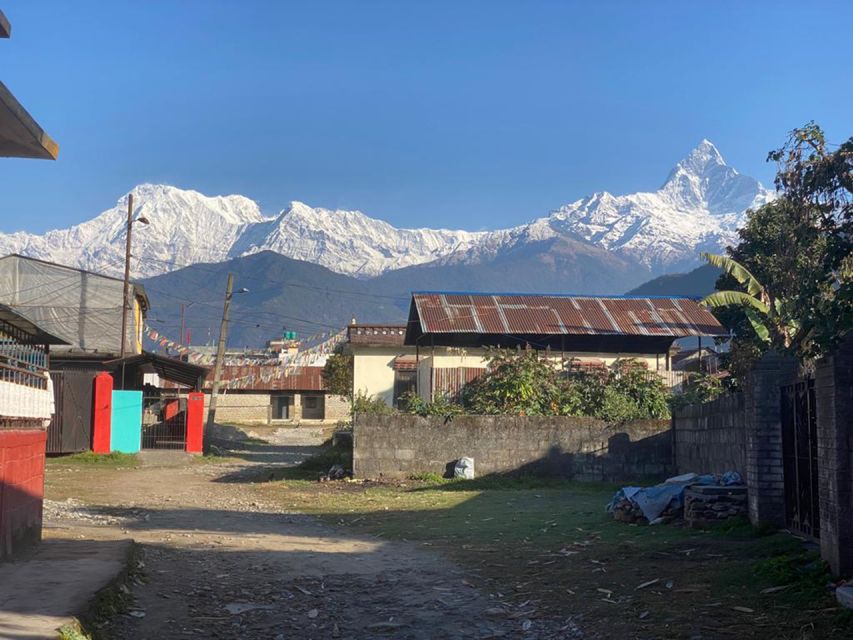
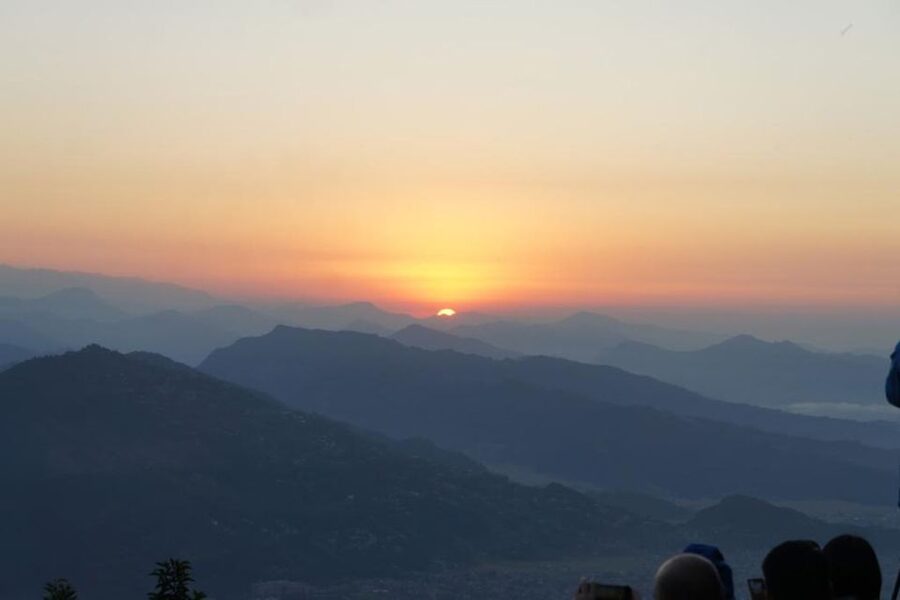
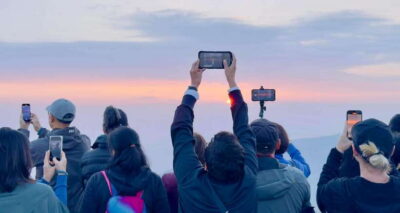
From the viewpoint, you can look across the Pokhara area toward the Himalayan mountains. The exact quality of the view depends on the weather. Clear air may give you the dramatic mountain panorama shown in travel photographs, while cloud or haze can reduce the stop to a scenic hilltop visit with only partial views.
You have about 45 minutes here for the sunrise, photographs, a short walk, and a guided explanation. That is enough time to enjoy the view without turning the first stop into an exhausting hike. Bring a warm layer if you are sensitive to early morning chill, though the tour information does not specify temperatures or walking conditions.
The timing creates one important tradeoff. Morning prayer at the monastery takes place around the same time as sunrise, so you cannot attend the group chanting. You still visit a Buddhist monastery later, but anyone hoping to hear a full prayer service should know this before booking.
More History and Heritage Tours in Nepal:
- Nagarkot Sunrise With 7 UNESCO World Heritage Private Tour
★ 5.0 · 3 reviews - Sunrise Hot Air Balloon Over the Historical sites in Luxor
★ 5.0 · 697 reviews - Historical Agra Day Tour: Taj Mahal Sunrise, Agra Fort and Baby Taj
★ 5.0 · 4 reviews
Tashi Palkhel: breakfast with a Tibetan family
After Sarangkot, the tour heads to Tashi Palkhel Tibetan Settlement. This stop lasts about two hours and combines walking, conversation, tea, and breakfast.
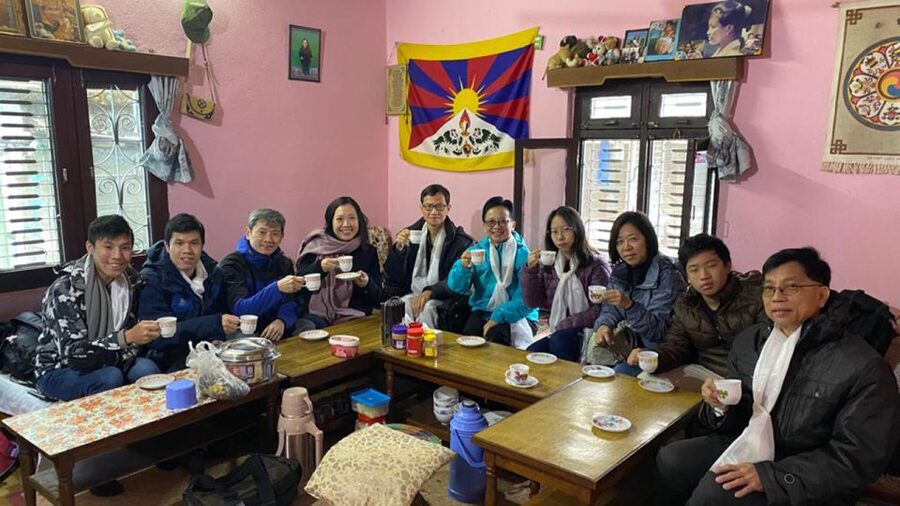
The meal is simple but revealing. You may try salted butter tea, Tsampa, and Tibetan bread served with honey, butter, and peanut butter. Tsampa is roasted barley flour, a staple with a texture and flavor very different from the usual hotel breakfast in Pokhara. The butter tea is also an important part of the experience. Its salty taste may surprise you, so approach it with curiosity rather than expecting sweet milk tea.
Eating in a family home gives the food some context. Thupten explains Tibetan cooking and daily life in the settlement, turning the meal into more than a tasting stop. You can ask how ingredients are used and how food fits into ordinary household life.
This is one of the strongest parts of the day for anyone who wants personal contact. It is also worth remembering that a family home is not a staged restaurant. The atmosphere may be more informal, and the purpose is cultural exchange rather than polished service.
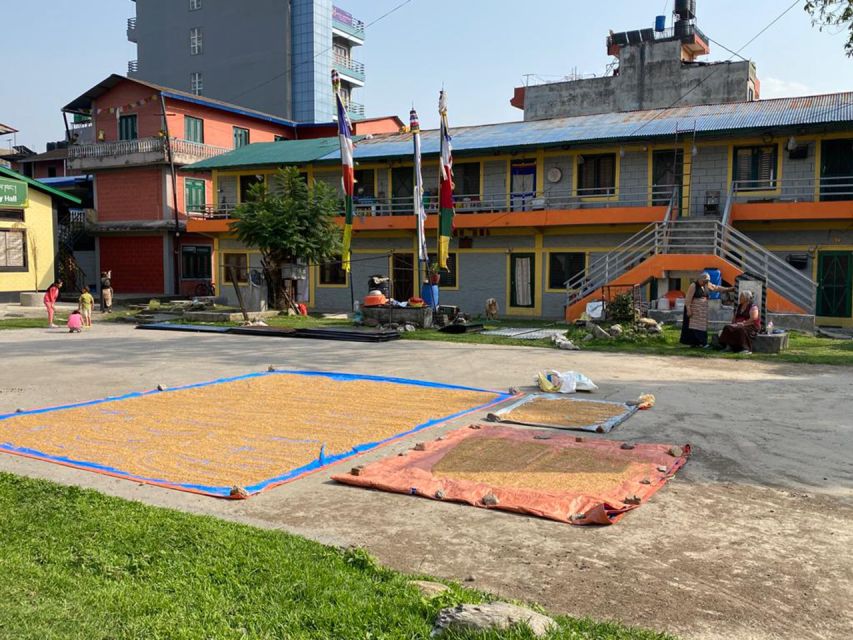
Tashi Palkhel also helps explain the larger purpose of the tour. Tibetan communities in Nepal have worked to preserve their language, Buddhist practice, and cultural identity while living outside Tibet. You are not simply being shown a monument. You are seeing a living community and hearing how identity is maintained through food, education, religion, and craft.
Meeting a monk at Pema Ts’al Sakya Monastic Institute
The next major stop is Pema Ts’al Sakya Monastic Institute, with about an hour for a guided visit, sightseeing, and walking. The monastery provides a setting for learning about Buddhist symbols and the lives of monks.
A particularly useful part of the visit is the chance to interact with a young Buddhist monk. You can learn why he chose monastic life, how monks study, and what his daily activities involve. That personal conversation makes the monastery easier to understand than a quick look at prayer halls or painted walls.
Thupten also explains the meaning of objects you will see in Tibetan Buddhist settings. Prayer wheels, prayer flags, and stupas are not simply decorative details for photographs. They carry religious meaning and appear in everyday practice, so this explanation helps you read the settlement with more understanding.
The tour also discusses the Tibetan educational system and the role of monasteries in preserving culture. This is important for visitors who might otherwise see a monastery only as a religious attraction. Here, the focus includes study, discipline, language, and the continuation of Tibetan traditions.
Because sunrise and morning prayer happen at the same time, your visit does not include the group chanting. That is a clear limitation, but the one-to-one conversation with a monk offers a different kind of access. You get questions answered directly instead of watching a ceremony from the edge.
Tashiling: carpets, photographs, medicine, and lunch
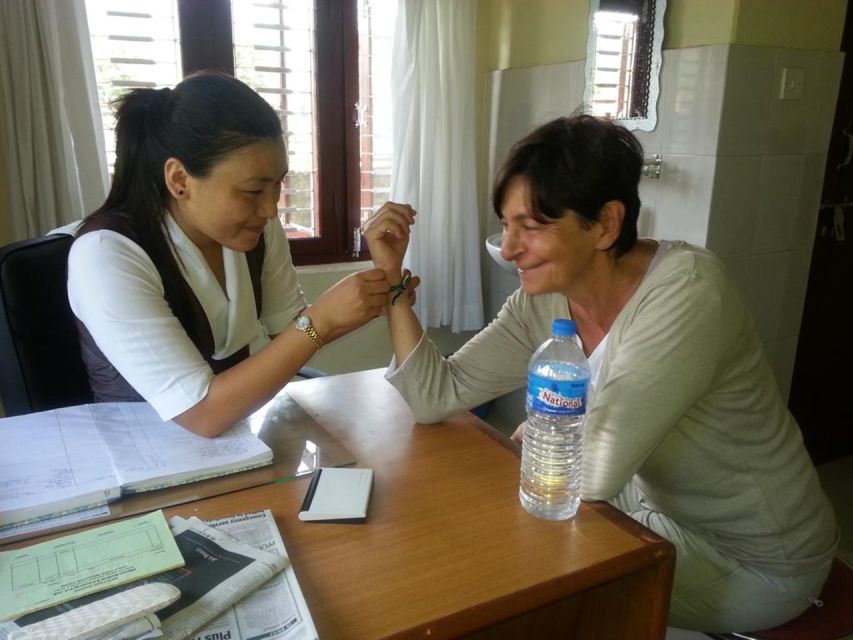
The longest portion of the day takes place at Tashiling Tibetan Settlement. Plan on roughly four hours here, including walking, guided visits, tea or coffee, lunch, shopping, and food tasting.
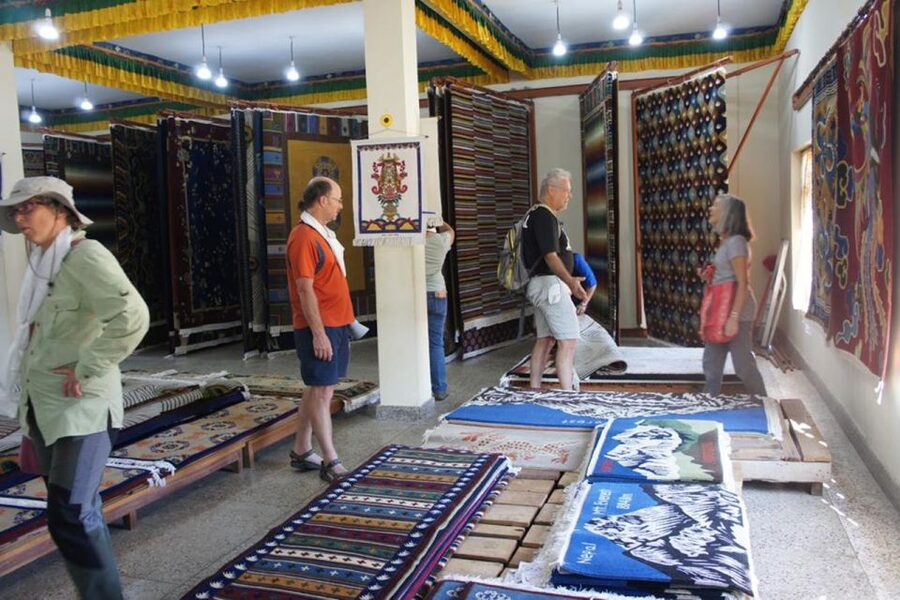
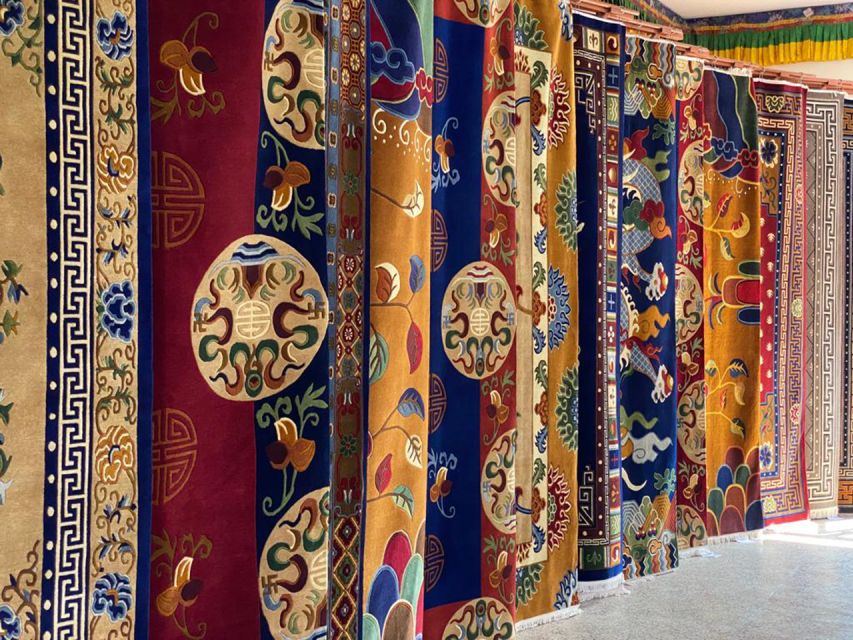
The carpet workshop is a practical stop. You watch Tibetan carpets being made by hand and hear how the process works step by step. The showroom follows, with finished carpets in different colors and designs. You can browse and shop, but there is no requirement to buy anything. If you have limited luggage space or are not interested in home furnishings, treat this as a craft demonstration rather than a shopping obligation.
The photo gallery adds historical context. Images show Tibetan refugees and their settlement in the early 1960s, helping you understand how these communities began in Nepal. The photographs also support a central theme of the day: the effort to preserve Tibetan language, culture, and identity over many years of exile.
This stop can be especially useful if you want more than religious sightseeing. The gallery connects the people you meet with the larger story of displacement and community building. At the same time, the subject matter is serious. You should expect an educational visit, not a light afternoon attraction.
More early starts worth the alarm around Nepal:
- Nagarkot Sunrise View and Day Hiking from Kathmandu
★ 5.0 · 471 reviews - From Pokhara: Sarangkot Sunrise Himalayas Tour
★ 4.7 · 218 reviews - Kathmandu: Nagarkot Sunrise View & Morning Hike with Lunch
★ 4.9 · 188 reviews - Kathmandu: Nagarkot Sunrise and Hike Tour to Changu Narayan
★ 4.7 · 151 reviews
A Tibetan doctor and a traditional medical consultation
The visit to a Tibetan medical center adds another point of view. You meet a Tibetan doctor and learn about the Tibetan medical system, its treatments, and its approach to diagnosis.
A consultation, including pulse reading, is included. That gives you a direct introduction to the practice rather than only a general explanation. If you are interested in buying medicine, you can purchase it separately, so the medicine cost is not part of the $113 tour price.
Keep your expectations sensible. The visit is an introduction to Tibetan medicine, not a replacement for medical care or a full treatment program. It is best approached as a cultural and educational encounter, with the pulse reading as one of the memorable details.
This is also a good moment to ask questions. The day is designed around explanation, and the small group size, limited to eight people, should make it easier to hear the answers and join the conversation.
Momos and Thenthuk for the final meal
Lunch is served at a local Tibetan restaurant in Tashiling. The food includes Tibetan momos and Thenthuk, a nourishing soup made with freshly kneaded dough, meat, and vegetables. Vegetarian and non-vegetarian choices are available.
Momos are familiar to many people who have eaten in Nepal, but the lunch still fits the day because Thupten explains Tibetan cuisine and the relationship between ingredients, climate, and daily meals. Thenthuk is particularly suited to a long morning because it is warm and filling rather than a small tasting portion.
Tea, coffee, fresh juice, and mineral water are included during the tour. The food stops are not add-ons around the edges of the schedule. Breakfast and lunch are central to how the day introduces culture, and I consider that a real strength.
The meal also gives you a chance to pause after the walking and discussions. Since Tashiling accounts for most of the afternoon, lunch provides a natural break before the final visits or browsing.
What the $113 price includes
At $113 per person, this is not the cheapest way to see Sarangkot. You can find simpler sunrise outings that focus on transport and a viewpoint. The value here comes from the amount of guiding and access packed into the day.
The price includes pickup and drop-off in the Lakeside area, a Tibetan tour guide, Sarangkot sunrise viewing, two Tibetan settlements, breakfast in a family home, the monastery visit, interaction with a monk, the carpet workshop and showroom, the photo gallery, the Tibetan medical center, the doctor consultation, drinks, and Tibetan lunch.
That is a substantial list, but the more important question is what you want from the day. If you want photographs and free time, much of the price goes toward information you may not use. If you want cultural background, personal conversations, and food tied to the places you visit, the cost is easier to justify.
The small group helps the value. A maximum of eight participants is far better suited to a monk conversation, a doctor visit, or questions about Tibetan life than a large coach group. The guide’s role is central, so the tour works best for people who enjoy listening and asking questions.
Hotels outside Lakeside require an additional transportation fee, based on location. Confirm that cost before booking if you are staying elsewhere in Pokhara.
How demanding is the nine-hour schedule?
The experience lasts about nine hours and includes an early morning drive, scenic stops, walking through settlements, a monastery visit, several indoor visits, meals, and a return to Lakeside.
It is not described as a strenuous trek, but wheelchair users are not considered suitable for the activity. The repeated walking and changes between homes, workshops, galleries, and religious sites may also be tiring for anyone with mobility concerns.
Children under five are not permitted. Older children may enjoy the food and mountain views, but the day’s main appeal is conversation about Tibetan history, religion, education, medicine, and refugee life. Adults and older students are likely to get more from the explanations.
Since the tour is in English, you should be comfortable following a full day of discussion. One past participant found the amount of information extensive, with enough books, websites, and search terms to keep exploring long after the tour. That is a useful warning: this is not a quiet sightseeing loop.
Who should book this experience?
I would choose this tour if you want to understand Pokhara’s Tibetan communities through ordinary details: what people eat, how carpets are made, how monks study, how medicine is practiced, and how refugee settlements have preserved identity.
It suits curious adults, students, culturally focused visitors, and anyone who prefers a local meal and an honest conversation to a string of photo stops. The clear explanations about Tibet, Buddhism, the Dalai Lama, and life in exile are a major part of the value.
I would think twice if you want a short sunrise excursion, a relaxed schedule, or a ceremony-centered monastery visit. You will not attend the morning chanting, and the day contains a lot of talking. The tour asks you to pay attention.
The guide matters here. Thupten Gyatso is described as a Tibetan native with strong personal commitment to the subject, and his explanations cover food, religion, education, refugee history, and daily life. That range is what turns separate stops into one connected day.
Practical details before you reserve
Pickup and return are provided around Lakeside. If you stay outside that area, an extra transport charge applies according to your hotel’s location.
The activity has free cancellation up to 24 hours before departure, and you can reserve while paying later. Starting times vary with the sunrise, so check availability for your date rather than assuming a fixed departure.
Bring an appetite and an open mind. Breakfast includes flavors that may be unfamiliar, and lunch includes both vegetarian and non-vegetarian choices. The mountain view is weather dependent, so do not book this solely for a guaranteed photograph.
Should you book the Sarangkot sunrise Tibetan tour?
Book it if you want a full cultural day, not just a viewpoint. The best parts are the family breakfast, the discussion with a young monk, the Tibetan doctor consultation, and Thupten’s detailed explanations of Buddhist practice and refugee life.
Skip it if your priority is speed, nightlife, or a simple mountain panorama. At $113, the tour earns its price through time, access, food, and conversation. You are paying for context as much as transport. For a visitor who wants to understand the Tibetan communities around Pokhara, that is the point.
FAQ
How long does the Sarangkot sunrise Tibetan tour last?
The tour lasts approximately nine hours, including transportation, sightseeing, meals, walking, and visits to the Tibetan settlements.
Where does pickup take place?
Pickup and drop-off are provided for hotels in the Lakeside area of Pokhara.
Is transportation available from hotels outside Lakeside?
Yes, but an additional transportation fee applies for hotels outside Lakeside. The charge depends on the hotel location.
What language is the tour conducted in?
The live tour guide provides the experience in English.
How many people can join the tour?
The tour is limited to eight participants.
Does the tour include breakfast and lunch?
Yes. Breakfast is served at a local Tibetan family home and includes salted butter tea, Tsampa, and Tibetan bread. Lunch includes Tibetan dishes such as momos and Thenthuk, with vegetarian and non-vegetarian options.
Can I attend the monastery’s morning prayer chanting?
No. The sunrise and morning group prayer take place at the same time. You visit the monastery and learn about Buddhist practice, but you cannot attend the morning group chanting.
Is a consultation with a Tibetan doctor included?
Yes. The doctor visit includes a consultation and pulse reading. Any medicines you choose to buy are charged separately.
Can I cancel the tour for a refund?
You can cancel up to 24 hours in advance for a full refund. You can also reserve now and pay later.
Newly added sunrise trips around Nepal
- Pokhara: Sunrise Tour to Sarangkot★ 5.0 · 3 reviews
- Pokhara: Sarangkot Sunrise & Panoramic Annapurna View Tour★ 4.8 · 10 reviews
- Pokhara Sarangkot : Cable Car (Himalayas) Sunrise Tour★ 5.0 · 6 reviews
- Pokhara: Sarangkot sunrise & Downhill Hike Above Fewa lake★ 5.0 · 2 reviews
- Pokhara: Sunrise & Private Day Tour on 7-Iconic Destinations★ 4.3 · 10 reviews
- Pokhara: Group Joining Full Day Highlights Tour With Sunrise★ 3.9 · 9 reviews
- Pokhara: Private City Tour and Sarangkot Sunrise★ 4.8 · 5 reviews
- Pokhara: 2 & 3 Days Ghorepani Poon Hill Private Guided Trek★ 4.9 · 27 reviews
Nepal Sunrise Tours, compared at first light.
Nagarkot Sunrise View and Day Hiking from Kathmandu
Read our review →
Kathmandu: Nagarkot Sunrise View & Morning Hike with Lunch
Read our review →
Kathmandu: Nagarkot Sunrise and Hike Tour to Changu Narayan
Read our review →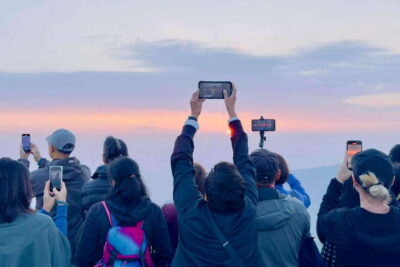
Kathmandu: Nagarkot Sunrise & Hike with Lunch -Private/Group
Read our review →
Pokhara: Sarangkot Sunrise with Half or Full-Day City Tour
Read our review →
Nagarkot Sunrise View & Day Hiking with Lunch – Private/Group
Read our review →
The Best of Pokhara: Full-Day Private Tour with Sarangkot Sunrise
Read our review →More lists with this sunrise on them