
Review · CAMBODIA
From Siem Reap: Angkor Wat Sunrise and Temples E-Bike Tour
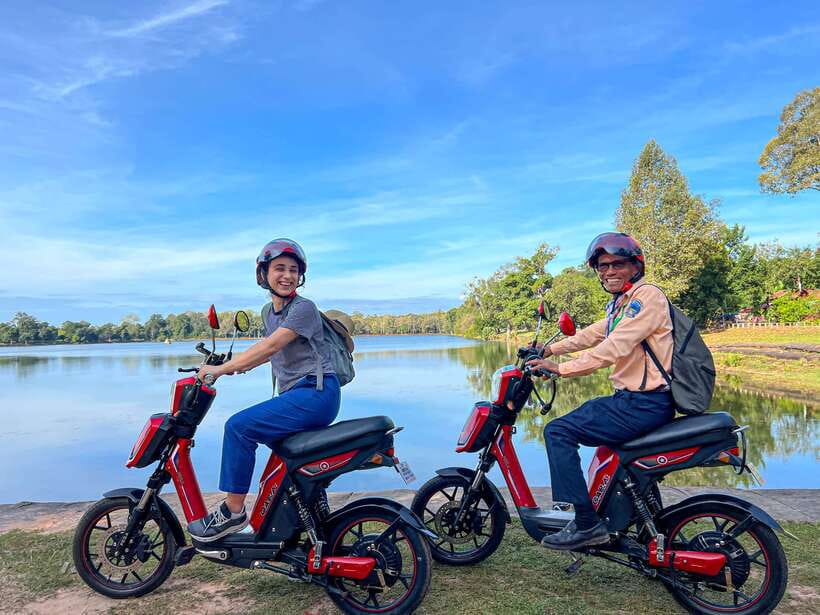
Angkor Wat at sunrise is the headline, but the e-bike route is what gives this day its character. After arriving by tuk-tuk, you switch to electric bikes and use quieter paths, forest roads, and less-used temple entrances that large vehicles cannot reach. Guides such as August, Ho, Raman, and Sa add temple stories, local context, and, often, excellent photographs.
I like the local breakfast at Preah Dak village, where you can try Khmer rice noodles, palm cake, and steamed rice dumplings rather than settling for a hotel meal. I also like the support from the tuk-tuk driver, who follows much of the route with cold water, towels, and a safe escort on busier roads. The trade-off is the early start, the extra $37 Angkor pass, and some rough or sandy riding near the temples.
Key points to know before booking
- Sunrise begins before dawn: You leave Siem Reap at about 4:40 am and may wait in the dark before the light reaches Angkor Wat.
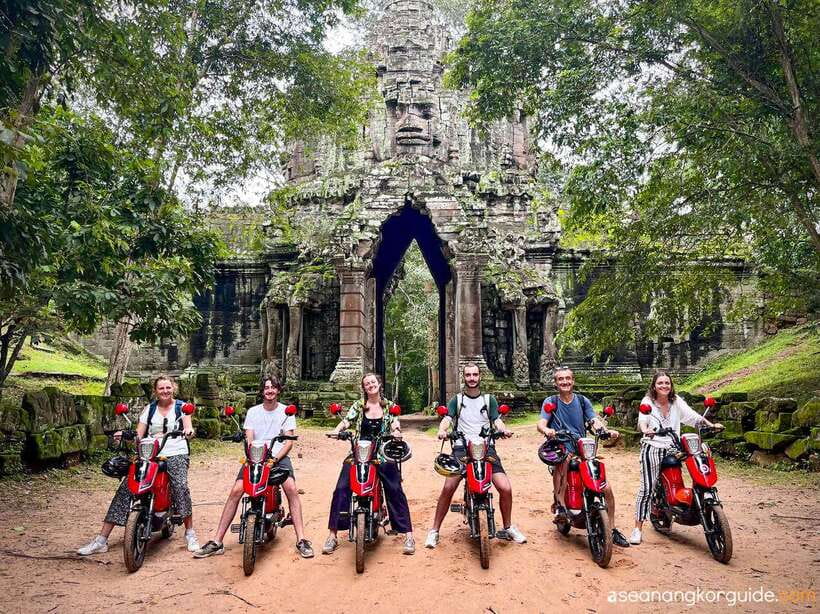
- The e-bikes change the route: You can reach forest paths, alternative entrances, and temple approaches that are awkward for buses and tuk-tuks.
- Breakfast is local and included: Expect Khmer rice noodles with fish curry, palm cake, steamed rice dumplings, fruit, coconut, and other small treats.
- The tuk-tuk stays part of the team: It carries support items, provides drinks and towels, and follows you on roads where traffic is a concern.
- The tour is active but not a race: The bikes are easy to operate, though rocky and sandy sections require care and confidence.
- The temple visits cover the essentials: Angkor Wat, Ta Prohm, Ta Nei, Bayon, and the Victory Gate of Angkor Thom all fit into the day.
Why the e-bike makes Angkor Park more interesting
A standard temple tour often means moving between parking areas in a vehicle, then walking with many other people toward the same entrance. This tour uses a tuk-tuk for the city transfer and support, then shifts you onto an e-bike for the main park route.
That change matters. You can ride through wooded sections and approach some ruins from quieter sides. The route may take you close to entrances that are not practical for a bus, and the forest ride gives you a better feel for the size of Angkor Park. You are not simply checking temples off a list. You are moving through the spaces between them.
The bikes are described by one participant as more like electric scooters, while others call them e-bikes. Either way, they are battery-powered, easy to operate, and require little physical effort on ordinary roads. Some paths are rocky, sandy, or uneven, so you still need to steer carefully and feel comfortable on two wheels.
The tuk-tuk driver adds a useful safety net. On public roads, the driver can follow behind and help shield the group from traffic. At temple areas where the tuk-tuk cannot go, the driver meets you again later. The vehicle also carries backpacks and supplies, so you do not need to ride with everything on your shoulders.
More Sunrise Temple Tours in Cambodia
- Angkor Wat Sunrise & 3 Main Temples with Breakfast – Small Group
★ 5.0 · 2,857 reviews - 2 Days Exclusive Temple Highlights with Sunset and Sunrise Tour
★ 5.0 · 1,157 reviews - Siem Reap: Angkor Sunrise 1- or 2-Day Guided Temples Tour
★ 4.9 · 1,132 reviews
4:40 am to sunrise at Angkor Wat
The day starts with hotel pickup in a tuk-tuk at about 4:40 am. Be ready in the lobby around 10 minutes early. The ride from central Siem Reap takes roughly 20 to 30 minutes, depending on the hotel and entrance used.
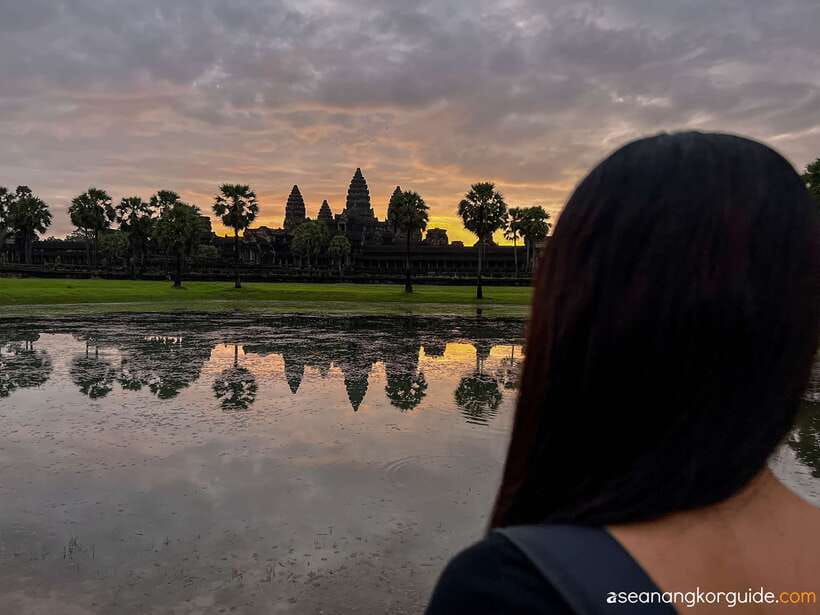
You then walk toward Angkor Wat in the dark. Bring patience. The sun does not appear immediately, and one reported timing involved reaching the reflecting pool around 5 am for a sunrise near 6:30 am. The exact wait changes with the season and conditions, but you should expect a stretch of standing or sitting in low light.
The classic view is the temple silhouette reflected in the water as the sky brightens behind the towers. Clouds can soften or obscure the colors, but the setting remains impressive. Your guide can help you find a suitable viewing position and may take photos for you, a useful service when you are traveling alone or want pictures of the whole group.
After sunrise, allow about an hour and a half to explore Angkor Wat itself. This is not a quick photo stop. You will see the long galleries, carved walls, courtyards, and monumental towers, while the guide explains the design and religious purpose of the complex.
There are steps and uneven surfaces at the temples. A guide can assist when needed, but you should wear secure shoes and avoid carrying more than you need.
Breakfast in Preah Dak village
Once you leave Angkor Wat, the e-bike portion begins. The route heads toward Preah Dak village for breakfast, with the tuk-tuk providing backup and supplies along the way.
This meal is one of the tour’s best choices. Instead of eating at a large tourist restaurant, you try Cambodian food in a local setting. The planned dishes include Khmer rice noodles with fish green curry soup, palm cake, and steamed rice dumplings with palm sugar. Fruit and coconut are also provided during the day.
Food preferences vary, and the supplied details do not promise vegetarian, vegan, or allergy-specific alternatives. If that matters to you, ask before booking. The meal is included, but lunch is not, so breakfast is your main substantial food stop.
The village and back-road sections also give your guide a chance to explain everyday Cambodian life. The value here is not just the food. You get a pause between major ruins and a look at places where people live and work beyond the main temple circuit.
Local market stops and Cambodian snacks
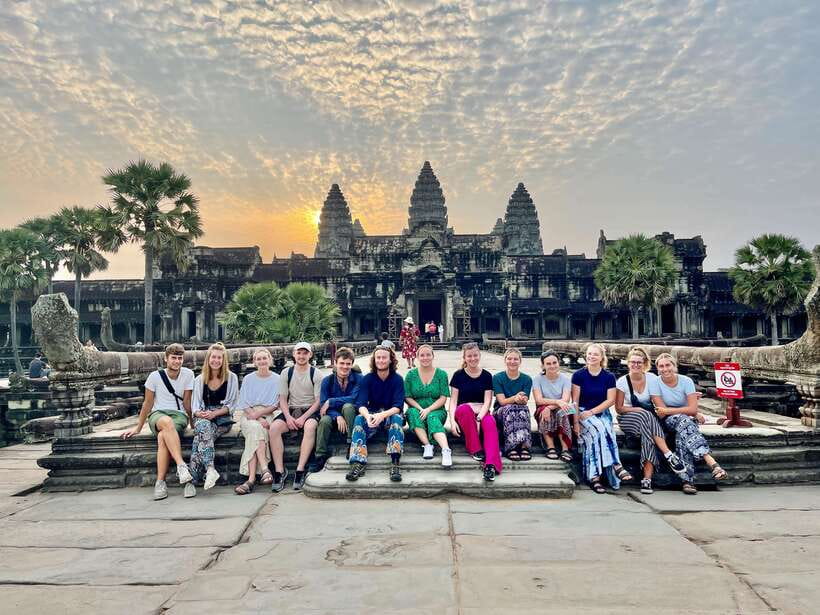
The tour includes a stop at a local market in Siem Reap, where you can walk among food stalls and look at familiar and unfamiliar Cambodian specialties. Possible snacks include sticky rice, cakes, fruit, egg noodles, fried spiders, and scorpion.
You do not have to try anything that makes you uneasy. The market is useful even if you only browse. It adds color and texture to a day otherwise centered on stone temples, and your guide can explain what you are seeing.
These short local stops also break up the riding. You may find the food stalls more interesting than a formal souvenir shop because they show what people actually eat. Still, market visits can be brief, and the exact food available depends on the day.
More Sunrise Bike Tours in Siem Reap:
- Angkor Sunrise Bike Tour / E-Bike or Tuk Tuk
★ 5.0 · 615 reviews - Siem Reap: Angkor Wat Sunrise Bike Tour & Jungle Breakfast
★ 5.0 · 415 reviews - Siem Reap: Angkor Wat Sunrise Bike Tour & Jungle Breakfast
★ 4.9 · 141 reviews - Angkor Wat: Guided Sunrise Bike Tour w/ Breakfast and Lunch
★ 4.8 · 48 reviews
Ta Prohm and Ta Nei through the trees
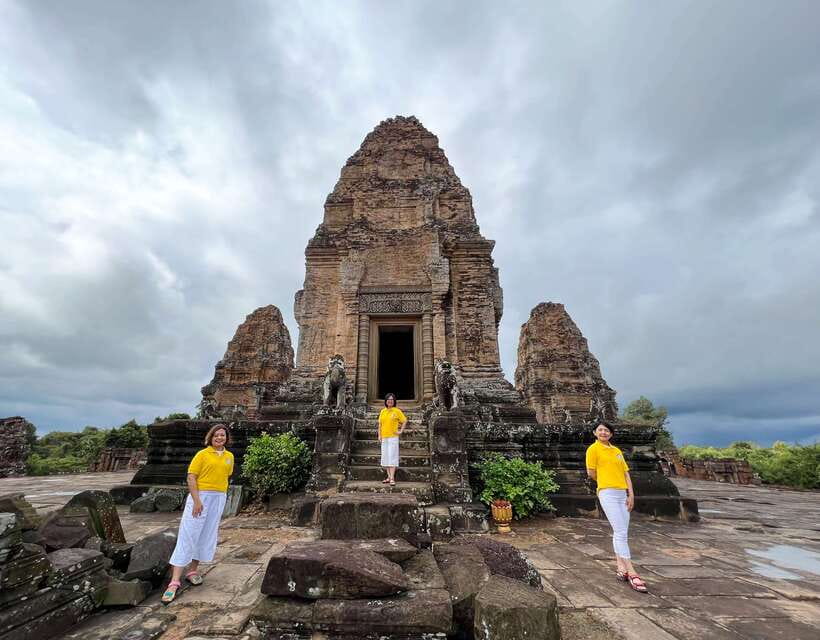
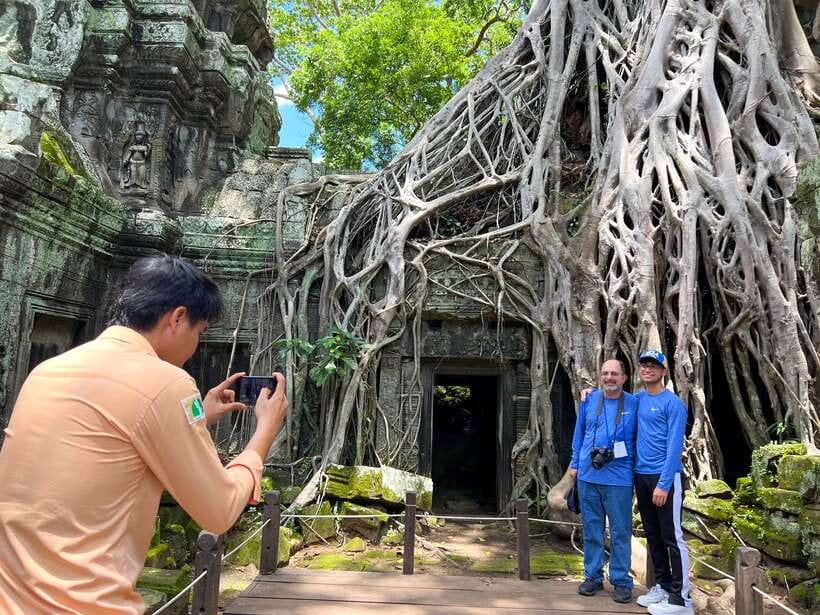
Ta Prohm is the temple most associated with trees growing over ancient stone. Huge roots press across walls and doorways, giving the site a dramatic, slightly unruly appearance. It is also one of the most popular Angkor stops, so crowd levels can change quickly.
The e-bike helps here because you may approach from a less-used entrance or arrive at a different time from large groups. That does not guarantee an empty temple, but it can reduce the time spent walking from a distant drop-off point.
Ta Nei is smaller and quieter. It has been left in a more original, overgrown condition, with forest around the ruins and fewer grand viewpoints. I like the contrast: Ta Prohm gives you the famous tree-and-stone scene, while Ta Nei feels more remote and rough around the edges.
The ride between the temples is part of the appeal. Forest paths and smaller roads make the journey feel like an outing, not just transportation. Expect dust, roots, stones, and occasional sand. If you are not comfortable balancing on a bike, this is the section to consider carefully. One advantage is that the tuk-tuk remains nearby for support, though the tour is built around riding rather than riding only when convenient.
Bayon and the Victory Gate of Angkor Thom
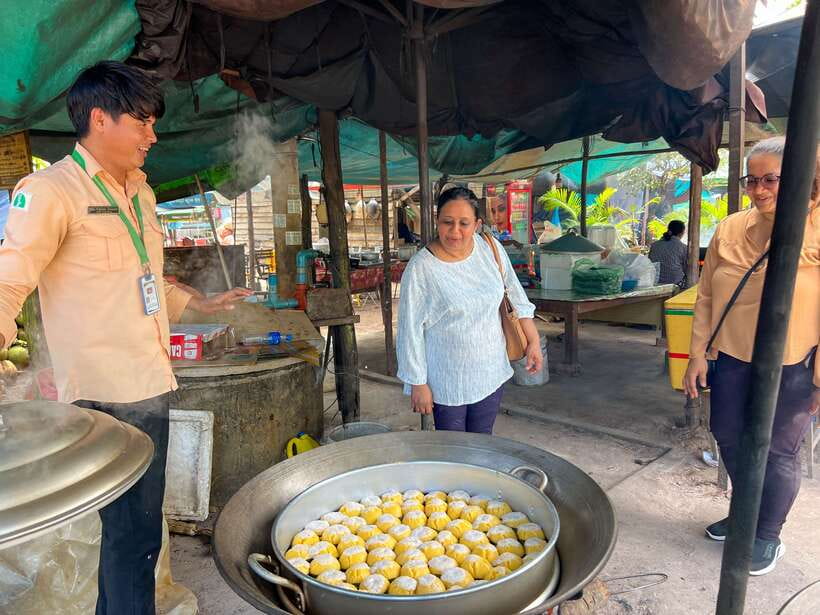
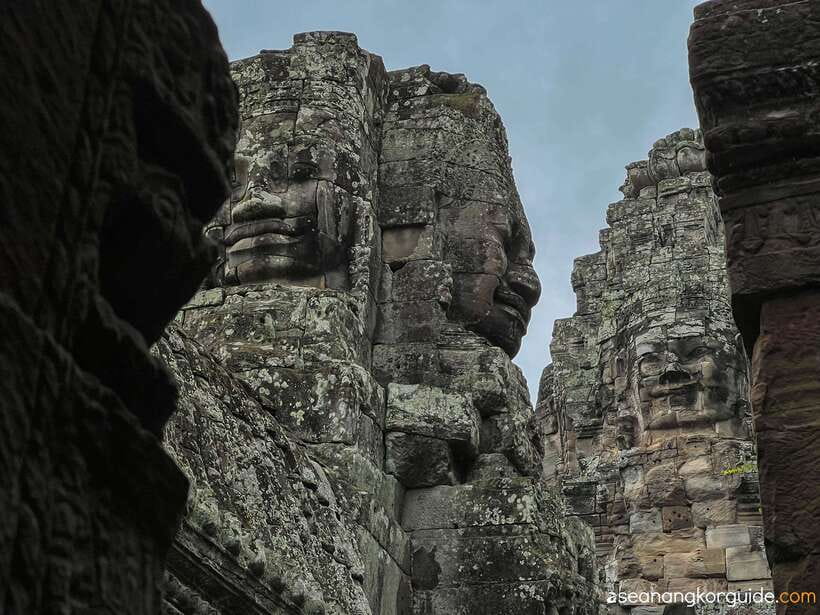
Bayon brings you back to a major landmark, but with a different mood from Angkor Wat. Its towers carry the famous smiling faces associated with King Jayavarman VII and Mahayana Buddhism. The faces look out from the stone in several directions, creating a powerful sense of being watched as you move through the temple.
Your guide can point out carvings and explain how Bayon functioned as a place for worship, education, and administration. The site is more compact and visually dense than Angkor Wat, so a good explanation helps you make sense of the towers and galleries rather than seeing them as a maze of stones.
The tour also visits the Victory Gate of Angkor Thom. It gives you another look at the scale of Jayavarman VII’s city and helps connect Bayon to the wider royal complex. You may appreciate seeing the gate by e-bike because you can approach it as part of the road network instead of only viewing it from a vehicle window.
What the guides add to the day
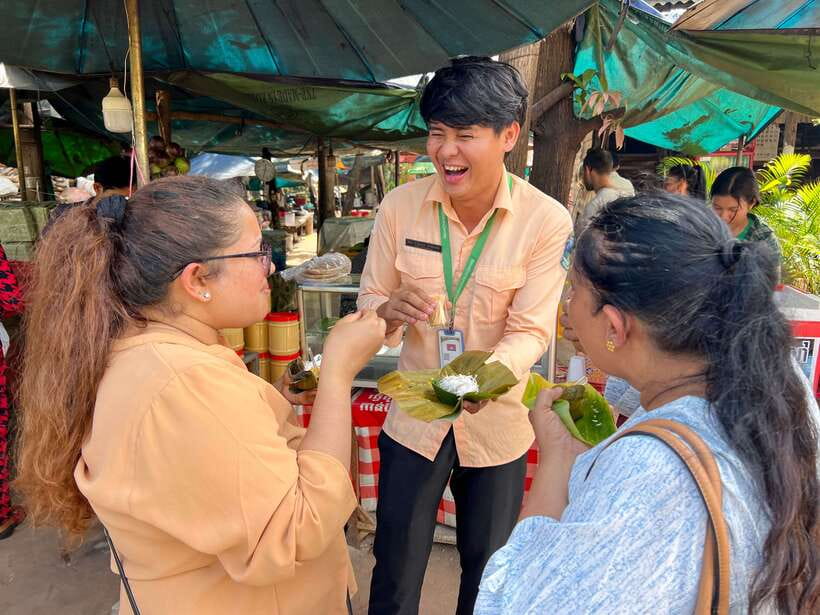
The guide is central to the experience. August is often praised for adapting the order of stops to avoid the worst crowds, while Raman is noted for detailed temple explanations and strong photo skills. Ho, Sa, Jan, and Makara are also named as English-speaking guides who combine site information with friendly help.
Guide quality can vary by assignment, but the important service is clear: you are not left to interpret a huge archaeological park on your own. A good guide explains carvings, temple layouts, Cambodian history, and daily life in language you can follow.
Photography is another recurring strength of the guiding service. Guides may know useful viewpoints and take pictures for you, including solo portraits that are hard to manage with a phone. Do not treat this as a formal photography tour, but it is a welcome extra.
The guides also adjust the day. If you have already seen the major temples, tell the guide early. The route can sometimes be shaped around quieter corners, village views, or alternative approaches rather than repeating the usual checklist.
Heat, water, clothing, and comfort
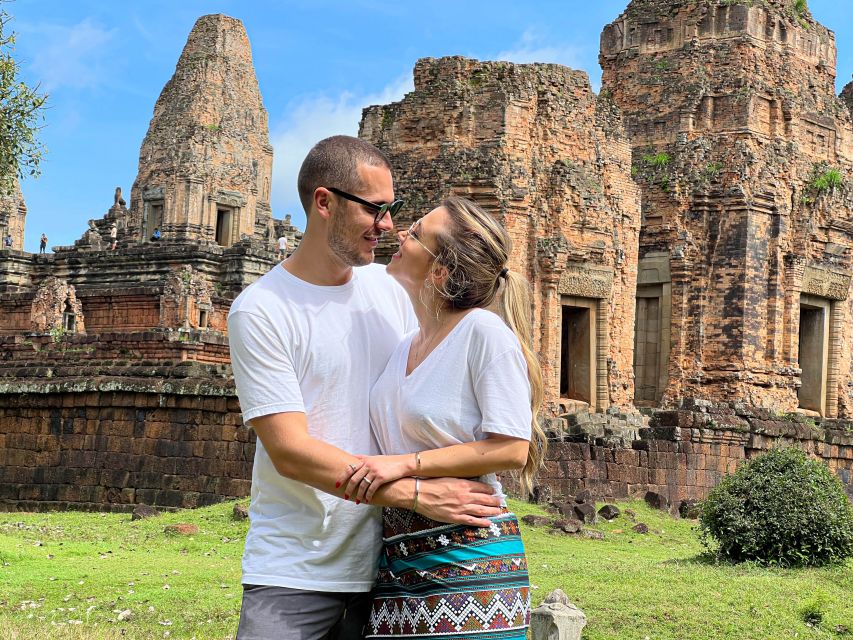
Cambodia can be hot, especially after the early morning coolness fades. The package includes bottled water, seasonal fruit, coconut, and towels. The tuk-tuk often carries these supplies, and cold towels are particularly welcome after a temple walk or bike ride.
Wear light clothing that covers the shoulders. Sleeveless shirts are not allowed, so bring a shirt with sleeves and clothing suitable for temple visits. Comfortable closed shoes are a smart choice for steps, sandy paths, and uneven stone.
Sun cream and insect repellent are sensible additions, especially during the forest sections. These are not listed as included, so pack your own. A small day bag is enough because the tuk-tuk can carry larger items.
The tour is not suitable for pregnant women or people over 70. The operator also lists a nine-hour duration, though the exact finish can shift with the sunrise wait, traffic, walking pace, and group size.
Is $85 a fair price?
The price is $85 per person, with the one-day Angkor pass costing another $37. Lunch and drinks beyond the included refreshments are not covered.
That makes this more expensive than a basic bus or tuk-tuk temple circuit. You are paying for a private or small-group format, an English-speaking guide, hotel transport, e-bikes, breakfast, support from a following tuk-tuk, and a route that can reach places large vehicles cannot.
For me, the value is strongest if you have only one day for Angkor or want a more active alternative to sitting in a car. The e-bikes let you cover a lot of ground without the effort of a conventional bicycle, and the support vehicle reduces the worry about traffic, water, bags, and fatigue.
It is less compelling if you dislike early mornings, prefer a slow temple visit with long breaks, or are trying to keep costs as low as possible. You also need to budget for the pass and lunch.
Who should book this tour?
I would choose this for first-time visitors who want Angkor Wat, Ta Prohm, Ta Nei, Bayon, and Angkor Thom in one long day. It suits couples, families with older teenagers, solo visitors, and small groups who want photos and personal explanations.
The tour has been used successfully by families with children aged 14, 15, and 17. It is not designed for anyone uncomfortable on two wheels or unable to manage temple steps and rough paths.
Book it if the idea of riding through forest roads sounds as appealing as the monuments themselves. Skip it if your perfect temple day means minimal exertion, a late start, and a cool vehicle between every stop.
Final verdict: a strong choice for an active temple day
This tour earns its price through access, support, and variety. You begin with the essential sunrise at Angkor Wat, then trade the crowds and vehicle transfers for electric riding, village food, forest paths, Ta Prohm’s roots, Ta Nei’s quiet ruins, and Bayon’s stone faces.
The main cost is sleep. You will be up before dawn, and the day can run for nine hours in heat. But if you can handle that start and feel steady on an e-bike, this is one of the more complete ways to experience Angkor Park in a single day.
FAQ
What time does the tour start?
Hotel pickup begins at about 4:40 am. You should wait in your hotel lobby 10 minutes before the scheduled pickup time.
Is hotel transportation included?
Yes. Pickup and drop-off in Siem Reap are provided by tuk-tuk.
Is the Angkor temple pass included?
No. The one-day Angkor pass costs $37 per person and is paid separately.
What food is included?
Breakfast includes local food and homemade dessert. The planned dishes include Khmer rice noodles with fish green curry soup, palm cake, and steamed rice dumplings with palm sugar.
Are drinks and towels included?
Yes. The tour includes bottled water, seasonal fruit, coconut, and towels. Lunch and other beverages are not included.
Can I join a private group?
Yes. Private and small-group options are available.
What should I wear to the temples?
Sleeveless shirts are not allowed. Wear clothing with covered shoulders and comfortable shoes for steps, uneven stone, sandy paths, and forest routes.
More Sunrise Temple Tours in Siem Reap
- Siem Reap: Angkor Wat Sunrise Explore The Most Iconic Temples
★ 5.0 · 879 reviews - Siem Reap: 2-Day Temple Highlights Sunrise and Sunset Option
★ 4.9 · 445 reviews - 1-Day Angkor Wat Sunrise & All Interesting Temples Private Tour
★ 5.0 · 174 reviews - Sunrise at Angkor Wat Temple: 3-Hour Private Tour
★ 4.7 · 30 reviews
Newly added sunrise trips around Siem Reap
- Sunrise at Angkor Wat with a sharing group★ 5.0 · 2 reviews
- Sunrise at Angkor Wat Temple: 3-Hour Private Tour★ 4.7 · 30 reviews
- Sunrise at Angkor Wat and Full day with Fascinating Temples★ 5.0 · 2 reviews
- Small-Group Explore Angkor Wat Sunrise Tour with Guide★ 5.0 · 3 reviews
- Siem Reap Temple Tour 2-Day with Sunrise/Sunset★ 3.7 · 3 reviews
- Angkor Wat: Sunrise 2.5 Days Temples & Tonle Sap-Small Group★ 5.0 · 10 reviews
- Siem Reap: Angkor Wat Sunrise Tour via Tuk Tuk & Breakfast★ 5.0 · 29 reviews
- Siem Reap: Angkor Wat Sunrise Tour with Spanish Guide★ 5.0 · 18 reviews
Sunrise Bike Tours, compared at first light.
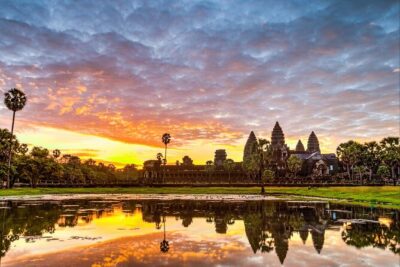
Angkor Wat Sunrise Bike Tour & Jungle Breakfast
Read our review →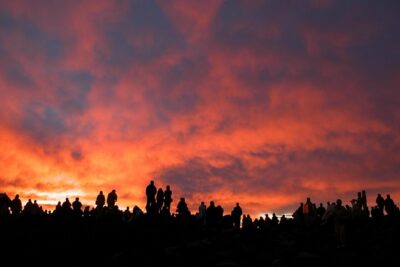
Maui Haleakala Sunrise Downhill Bike Tour with Mountain Riders Rated #1
Read our review →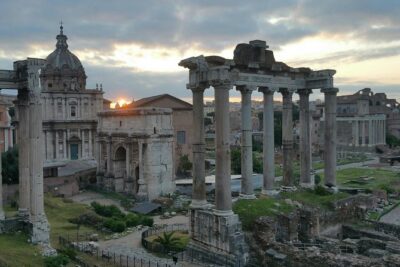
Sunrise in Rome: Small Group E-Bike tour with Italian Breakfast
Read our review →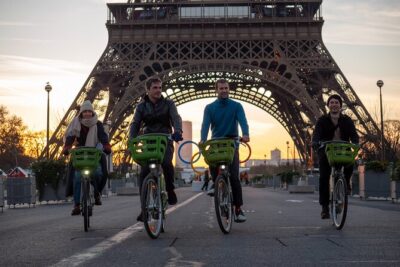
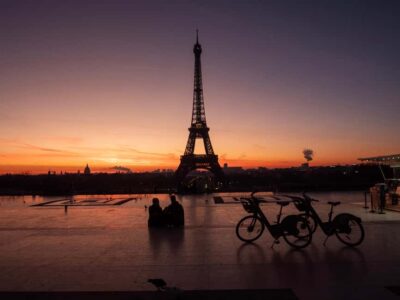
Paris Before the Crowds: Sunrise Bike Tour with Breakfast
Read our review →
Sunrise Desert safari With Quad bike ride Sandboard & Camel ride
Read our review →More lists with this sunrise on them