
Review · CAMBODIA
Sunrise at Angkor Wat and Small Tour with Tours Guide
Angkor Wat is at its best before the heat and crowds take over. This 4:30 AM start gets you to the temple for sunrise, then keeps going through Angkor Thom, Bayon, Ta Prohm, and Banteay Kdei. I like the full route and the chance to hear the story of the Khmer empire from a local English-speaking guide.
I also like the practical touches: hotel pickup, an air-conditioned vehicle, bottled water, and a cold towel. Guides such as Ounra have been praised for finding good sunrise photo spots and taking pictures, while Chout has made a strong effort to explain local life and culture. The main drawback is the long day and the occasional large group, which can reach 22 people. The low advertised price also does not include the required temple pass or meals.
Key points at a glance
- Sunrise begins before dawn: Pickup is scheduled for 4:30 AM, giving you an early view of Angkor Wat before the day becomes hot.
- Four major temple areas: The route includes Angkor Wat, Angkor Thom and Bayon, Ta Prohm, and Banteay Kdei.
- Local English-speaking guide: You receive explanations about Khmer history, temple design, culture, and the reign of Jayavarman VII.
- Private or shared choice: A private group gives you more control, while a shared trip keeps the price down.
- The $6 price has limits: You must pay separately for the Angkor pass, food, and drinks.
- A full eight-hour outing: The early start and walking make this best for people comfortable with a demanding sightseeing day.
Why the 4:30 AM start is worth it
The first serious decision is simple: can you get out of bed at 4:30 AM?
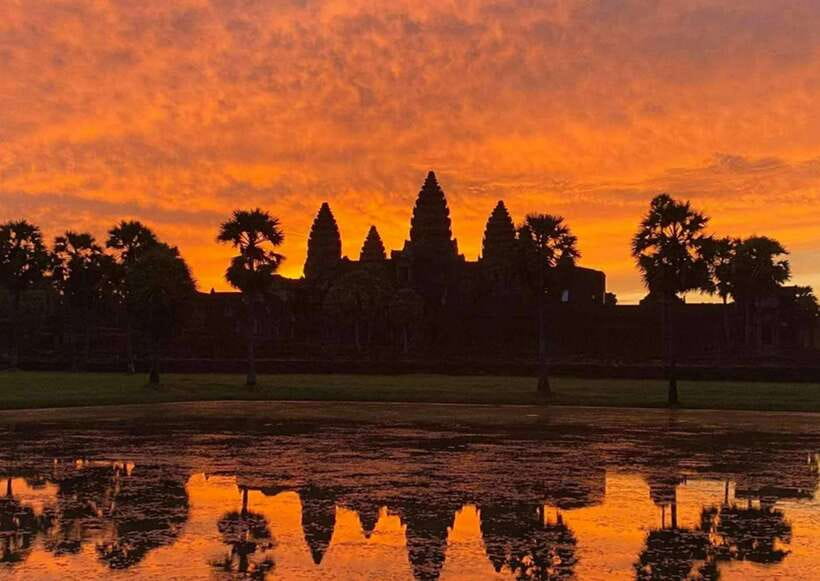
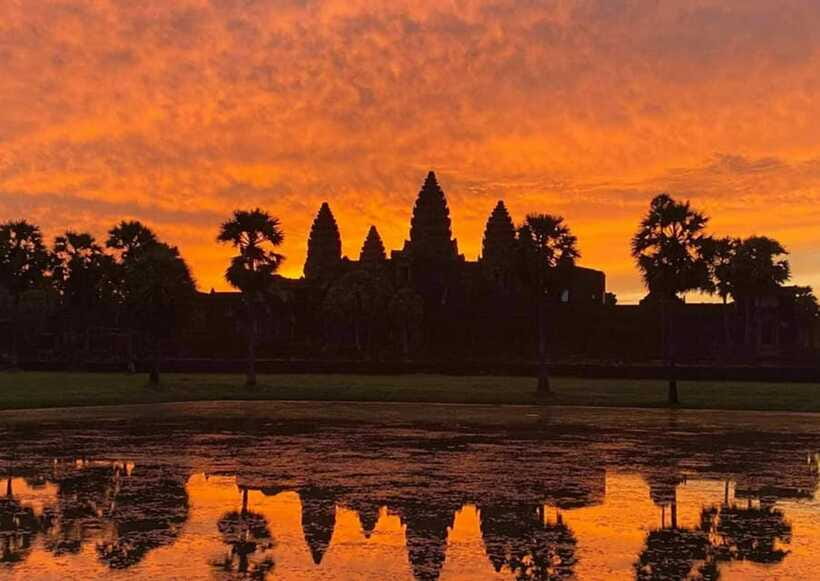
If you can, the reward is the changing light around Angkor Wat. Sunrise is the emotional centerpiece of the day, and the temple’s towers make a memorable shape against the morning sky. The tour allows about two hours at Angkor Wat for guided walking, sunrise, and sightseeing, followed by another period of temple exploration.
The early hour also matters because Cambodia becomes hot as the morning goes on. You are not avoiding heat entirely, but you are handling the first major temple while your energy is still reasonably high. Bring your own breakfast or plan around the included break, since meals are not part of the price.
There is a practical catch. Sunrise at Angkor Wat is popular, and the tour does not promise an empty viewing area. A guide who knows the grounds can help you find a useful angle, though no guide can guarantee a clear front-row position. Ounra received particular praise for knowing good photo locations and for helping with pictures, which is useful if you are traveling without someone to take your photograph.
After sunrise, you spend more time around Angkor Wat. This is not only a photo stop. Your guide explains the temple and its place in Khmer history, helping you see the stone carvings and layout as part of a larger religious and royal center rather than as a collection of old walls.
More Guided Tours in Siem Reap:
- Angkor Wat Sunrise or Sunset Tour with Guide from Siem Reap
★ 5.0 · 12,109 reviews - Angkor Wat Sunrise tour with Small – Group and Guide tours
★ 5.0 · 3,655 reviews - Angkor Wat Highlights and Sunrise Guided Tour from Siem Reap
★ 5.0 · 3,213 reviews
Angkor Wat sets the scale
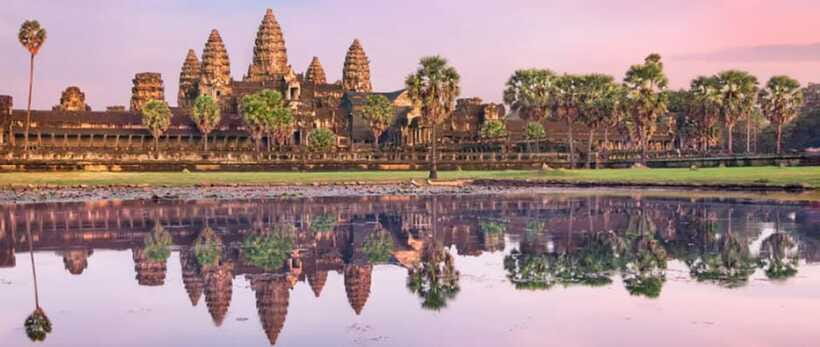
Angkor Wat is the grand introduction, and it can make the rest of the day feel almost impossible to match. Its towers, galleries, courtyards, and long approach give you a sense of the ambition behind the Khmer capital.
The scheduled visit is broken into guided walking, sightseeing, and a breakfast break. The exact rhythm may vary with the group, the sunrise crowd, and the pace of the guide. Shared groups can be efficient, but you may have less freedom to linger in one gallery or stop for every photograph.
I would pay attention to your footwear here. The day includes a great deal of walking, and the tour is not designed as a short vehicle-based viewing circuit. Lightweight clothing, sun protection, and water are sensible. The operator supplies bottled drinking water and a cold towel, although one booking record reported that both were missing. I would treat those items as useful inclusions, but carry backup water so your comfort does not depend on them.
South Gate and the road into Angkor Thom
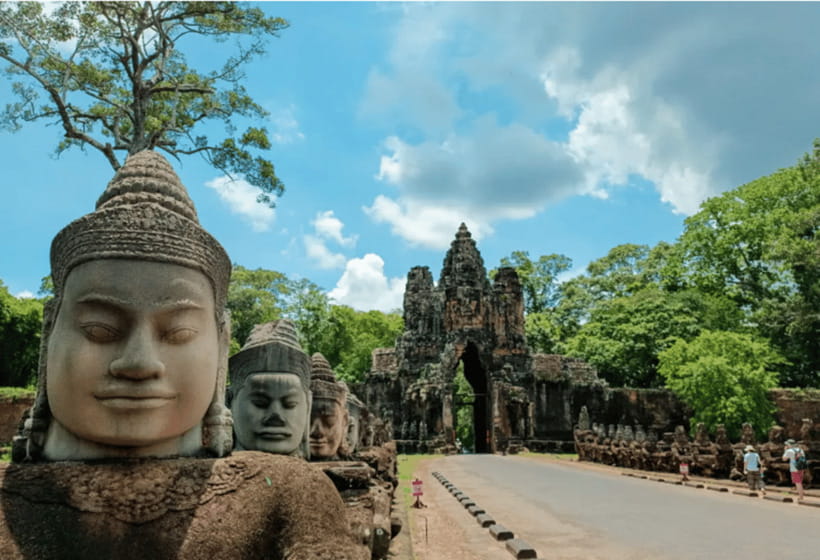
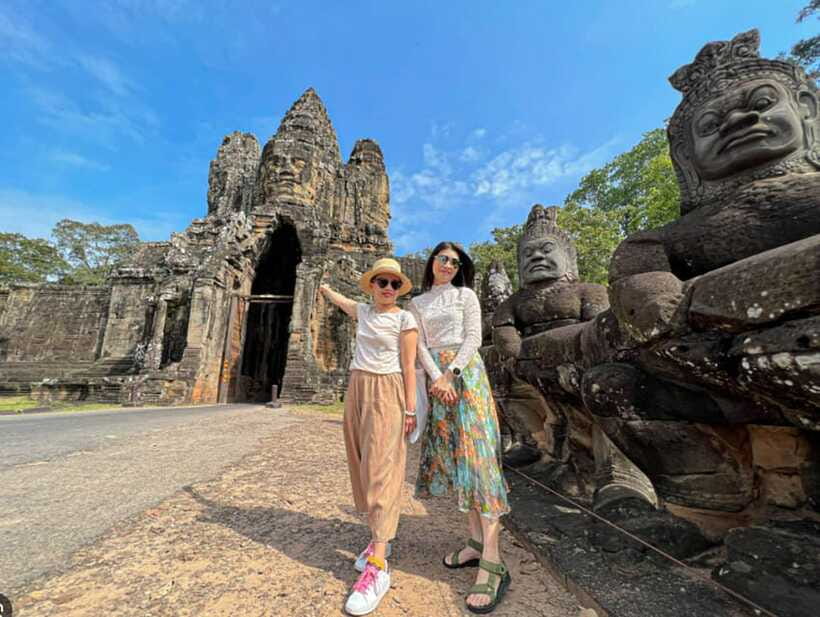
The South Gate of Angkor Thom provides one of the day’s most recognizable approaches. The route includes a guided visit, a photo stop, and scenic views along the way, with roughly an hour and 45 minutes assigned to the South Gate area and nearby sights.
The gate is more than a place to pause for a picture. It introduces Angkor Thom as a vast fortified royal city. Your guide can connect the entrance to the wider Khmer empire and explain how the stone figures and architectural details fit the city’s design.
This part of the tour is also useful for orientation. After the concentrated drama of Angkor Wat, you begin to understand that Angkor is not one temple but a large group of religious and royal sites. The short transfer and walking sections break up the day, though you should not expect much quiet time between stops.
Bayon’s stone faces and royal power
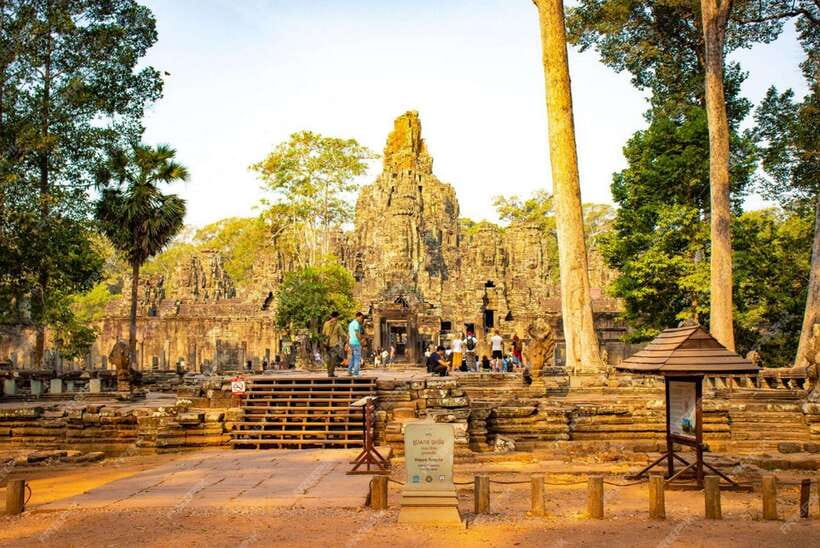
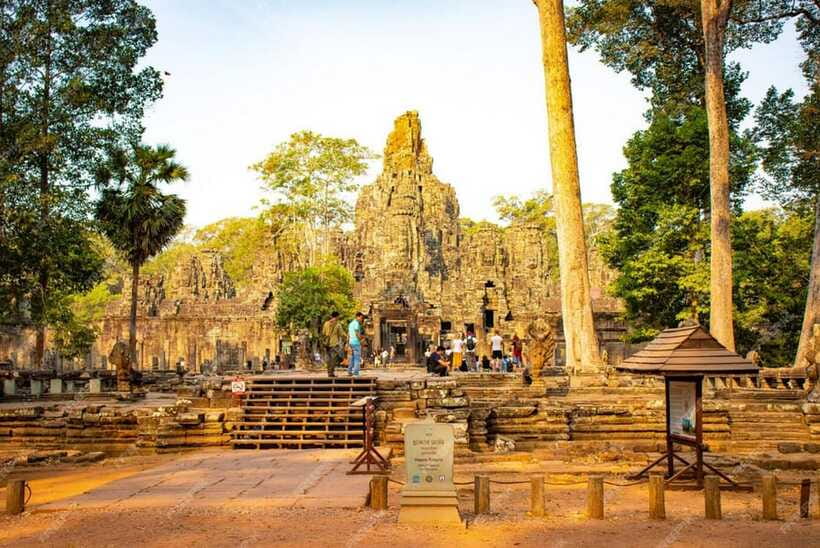
Bayon is likely to be one of the most striking stops after Angkor Wat. The temple is known for its towers and carved faces associated with the bodhisattva Avalokitesvara. The supplied description refers to 54 towers and 216 faces, although the number of visible faces can be understood differently depending on how towers and carvings are counted.
What matters on the ground is the feeling of being watched from several directions at once. The faces appear at different heights and angles, and the close passages can feel more intimate than the broad spaces at Angkor Wat.
The planned Bayon visit lasts about 90 minutes. That is enough for a guided look at the main features, but not enough to study every carving at a slow pace. I like having a guide here because the crowded, irregular layout can be hard to read on your own. Historical explanations give the temple a clearer purpose and show how royal authority and Buddhist imagery worked together.
The tour also brings you to Baphoun, along with the Terraces of the Elephant and the Leper King. These sites help fill in the civic side of Angkor Thom. The Terrace of the Elephant served as a royal viewing platform, while the Terrace of the Leper King is linked with the king’s great audience hall.
That shift from temple worship to royal display is valuable. You see how the city functioned as a place of ceremony, government, religion, and public spectacle. It is one reason the full route is better than a quick Angkor Wat-only excursion.
More early starts worth the alarm around Siem Reap:
- Siem Reap: Angkor Wat: Small-Group Sunrise or Sunset Tour
★ 5.0 · 9,444 reviews - Siem Reap: Angkor Wat 2-Day Tour with Sunrise and Sunset
★ 4.9 · 4,429 reviews - Full-Day Angkor Wat Sunrise Private Tour with Guide from Siem Reap
★ 5.0 · 2,920 reviews - Angkor Wat Sunrise & 3 Main Temples with Breakfast – Small Group
★ 5.0 · 2,857 reviews
Ta Prohm puts nature in the picture
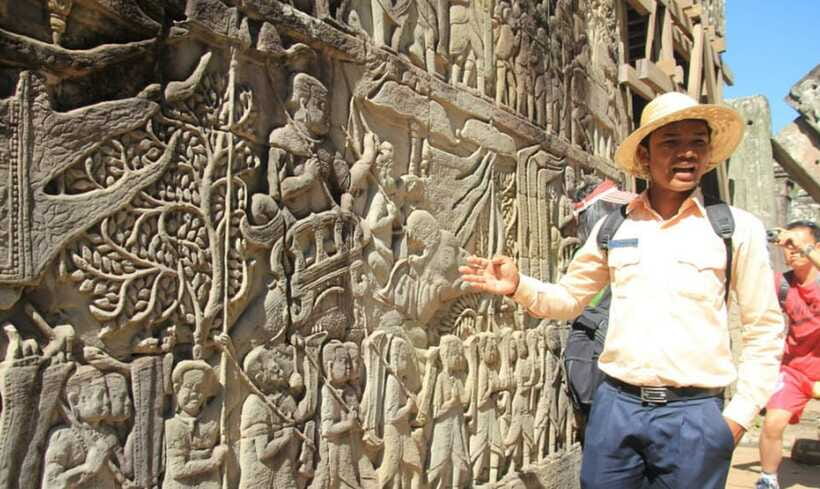
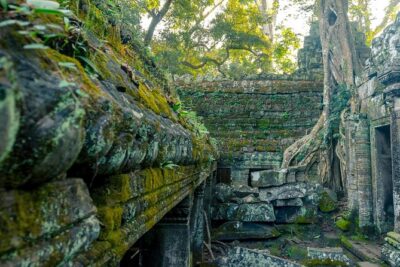
Ta Prohm is the temple most likely to appear in your mental picture of Angkor before you arrive. Trees grow around and over sections of the stonework, and roots press against walls that have survived for centuries.
The trees are not a decorative backdrop added for visitors. They are part of the reason Ta Prohm feels different from Angkor Wat and Bayon. At Ta Prohm, you see the continuing tension between the forest and the built temple. The route gives this stop about two hours, making it one of the longest visits of the day.
That time is useful, but it also comes when you may already be tired. The early alarm, the heat, and the walking begin to count. I would rather see Ta Prohm with some time to look around than rush through it, but you should be ready for a demanding afternoon.
A guide also helps you make sense of the temple’s condition. Without context, it is easy to focus only on dramatic roots and stone corridors. With an explanation of the temple’s construction and purpose, you get more from the quieter details, including carvings, doorways, and the way the complex was arranged.
Banteay Kdei closes the temple circuit
Banteay Kdei was built by King Jayavarman VII in the late 12th century. It is the final named temple stop, and its place in the route gives you one more look at the architectural world associated with his reign.
After Angkor Wat, Bayon, and Ta Prohm, Banteay Kdei may feel less overwhelming. I see that as an advantage. The final stop can offer a calmer way to finish, with time to compare its stonework and layout with the larger temples earlier in the day.
The schedule does not give a separate duration for Banteay Kdei, so the available time can depend on traffic, group pace, and how long earlier visits take. That is worth remembering if this site is especially important to you. A private group gives you a better chance of discussing the pace with your guide, while a shared group follows the day’s general schedule.
You then return to Siem Reap, with drop-off available at the listed locations in town. The full experience lasts around eight hours, so plan a quiet evening afterward rather than another major activity.
What the $6 price really covers
At $6 per person, this is an unusually low guiding and transport price. It covers an English-speaking guide, round-trip hotel transfers, bottled water, and a cold towel. An air-conditioned vehicle is important in Siem Reap, especially after several hours outside.
But the $6 is not your total cost for the day. You need an Angkor pass to enter the temple complex:
- One-day pass: $37
- Three-day pass: $62
- Seven-day pass: $72
The pass options must be used on consecutive days. You also pay for breakfast, lunch, and other drinks. One booking account praised the lunch restaurant but found it expensive for the area near the temples. That is a useful warning: food near major sights may cost more than you expect, so ask about the plan for lunch and bring enough money.
Once the pass is added, the one-day outing costs at least $43 before food. That is still reasonable for hotel transport, a guide, and a full day of sightseeing, but it is not a $6 temple tour in the final calculation.
Shared group or private outing?
The shared option is the budget choice. It lets you see the main sites without paying the full cost of a private vehicle and guide. The tradeoff is pace. One booking account described a group of 22 people, and a group that size can make it harder to hear every explanation or pause for photographs.
A private group is the better fit if you care about photography, want more time at Ta Prohm, or prefer to ask detailed questions about Khmer history and culture. It may also suit families or small groups who do not want to follow a fixed pace.
Guide quality matters here. Ounra was praised for being at Angkor Wat at 5 AM, finding good sunrise views, and taking photographs. Chout was praised for making an effort to explain local life and culture. English ability can vary, and one person found the guide’s English difficult at times. If detailed historical explanation is your main reason for booking, a private arrangement may give you a better chance to communicate clearly.
Hotel pickup is optional but should be arranged by providing your hotel name and room number by email or WhatsApp. The meeting point depends on your selected option, so do not assume you should go directly to Angkor Wat without confirming the pickup plan.
Who should book this day?
I would recommend this tour to you if you want the main Angkor highlights in one organized outing and you value transport more than a slow, independent temple day. It is especially useful for a first visit to Siem Reap, since the guide connects the sites and keeps you moving through a large area.
It suits people who enjoy photography, early mornings, cultural explanation, and a full schedule. The sunrise, the stone faces at Bayon, and the trees at Ta Prohm give you three very different views of Angkor.
I would think twice if you dislike pre-dawn starts, struggle with long walks, or need a slow pace. The experience is listed as unsuitable for people over 70, and the combination of early pickup, heat, and several temple visits can be tiring. Alcohol and drugs are not allowed, and the operator does not present this as a relaxed sightseeing day.
Cancellation is flexible up to 24 hours before the start for a full refund, and you can reserve now and pay later. Those terms help if your Siem Reap plans are still moving, but they do not change the need to arrange your Angkor pass separately.
Should you book it?
Book this tour if you want sunrise at Angkor Wat followed by the most important nearby temples without arranging transport yourself. The route is well chosen, and the guide can add useful context to sites that might otherwise blur together.
Choose the private option if you want better control over photographs, timing, or questions. Choose the shared option if keeping the guiding cost low matters most, but expect less flexibility and possibly a large group.
The strongest reasons to book are the early Angkor Wat start, the broad temple selection, and the helpful guides reported by name, especially Ounra and Chout. The main cautions are the extra $37 pass, meals, the long day, and occasional concerns about group size or missing water and towels. If you budget honestly and prepare for the early alarm, this is a good-value introduction to Angkor’s major sights.
FAQ
What time does hotel pickup begin?
Pickup begins at about 4:30 AM. You should provide your hotel name and room number by email or WhatsApp so the meeting plan can be confirmed.
Is the Angkor entrance pass included?
No. You must buy an Angkor pass separately. A one-day pass costs $37, a three-day pass costs $62, and a seven-day pass costs $72.
What temples are included?
The route includes Angkor Wat, the South Gate of Angkor Thom, Bayon, Baphoun, the Terrace of the Elephant, the Terrace of the Leper King, Ta Prohm, and Banteay Kdei.
Is breakfast included?
No. The tour includes a breakfast break, but meals and beverages are not included in the price.
Is hotel transportation included?
Round-trip transfers to and from your hotel are included. Pickup is optional and depends on the selected booking option.
Is the tour private?
You can choose a shared group or a private group. Shared groups may be larger, while a private group gives you more control over the pace.
What language does the guide speak?
The live guide speaks English.
Can I cancel the booking?
You can cancel up to 24 hours in advance for a full refund. You can also reserve now and pay later.
Newly added sunrise trips around Siem Reap
- Sunrise at Angkor Wat with a sharing group★ 5.0 · 2 reviews
- Sunrise at Angkor Wat Temple: 3-Hour Private Tour★ 4.7 · 30 reviews
- Sunrise at Angkor Wat and Full day with Fascinating Temples★ 5.0 · 2 reviews
- Small-Group Explore Angkor Wat Sunrise Tour with Guide★ 5.0 · 3 reviews
- Siem Reap Temple Tour 2-Day with Sunrise/Sunset★ 3.7 · 3 reviews
- Angkor Wat: Sunrise 2.5 Days Temples & Tonle Sap-Small Group★ 5.0 · 10 reviews
- Siem Reap: Angkor Wat Sunrise Tour via Tuk Tuk & Breakfast★ 5.0 · 29 reviews
- Siem Reap: Angkor Wat Sunrise Tour with Spanish Guide★ 5.0 · 18 reviews
Cambodia Sunrise Tours, compared at first light.
Angkor Wat Sunrise or Sunset Tour with Guide from Siem Reap
Read our review →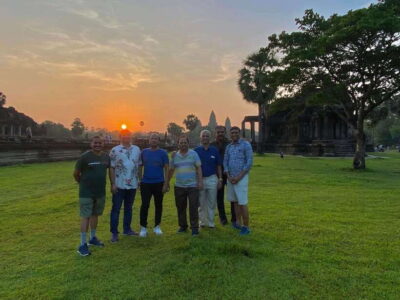
Angkor Wat: Small-Group Sunrise or Sunset Tour
Read our review →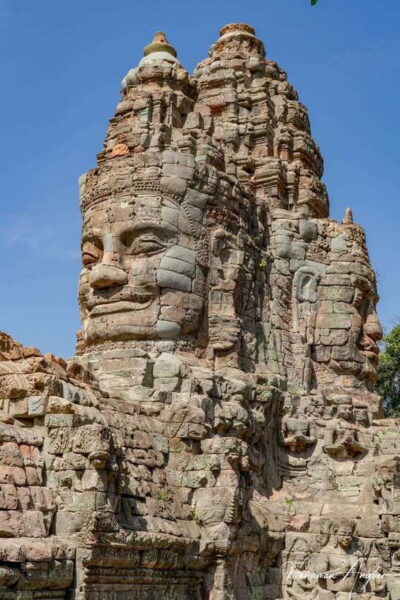
Angkor Wat 2-Day Tour with Sunrise and Sunset
Read our review →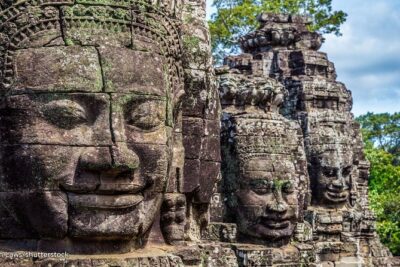
Angkor Wat Sunrise tour with Small – Group and Guide tours
Read our review →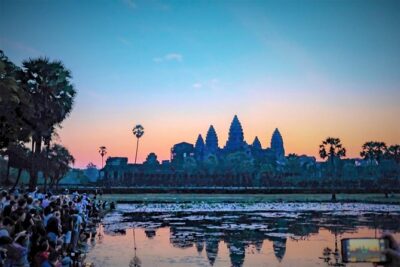
Angkor Wat Highlights and Sunrise Guided Tour from Siem Reap
Read our review →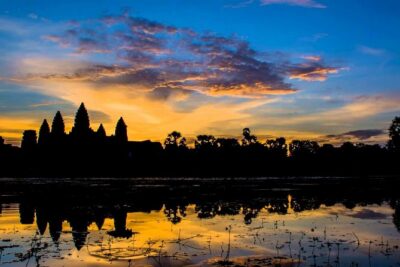
Full-Day Angkor Wat Sunrise Private Tour with Guide from Siem Reap
Read our review →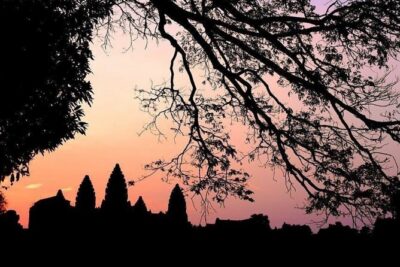
Angkor Wat Sunrise & 3 Main Temples with Breakfast – Small Group
Read our review →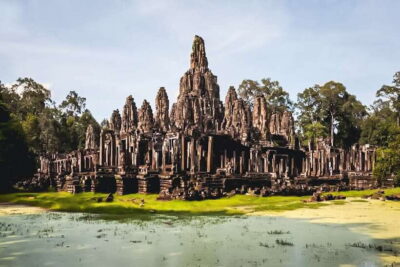
Angkor Wat Sunrise and Full-Day Sightseeing Tour
Read our review →More lists with this sunrise on them