
Review · ULURU
Kata Tjuta: Small Group Sunrise Tour with Picnic Breakfast
Kata Tjuta is at its best when the first light catches its rounded red domes. This five-hour small-group sunrise tour gives you time to watch the colours change, then walks you into Walpa Gorge before the desert heat builds.
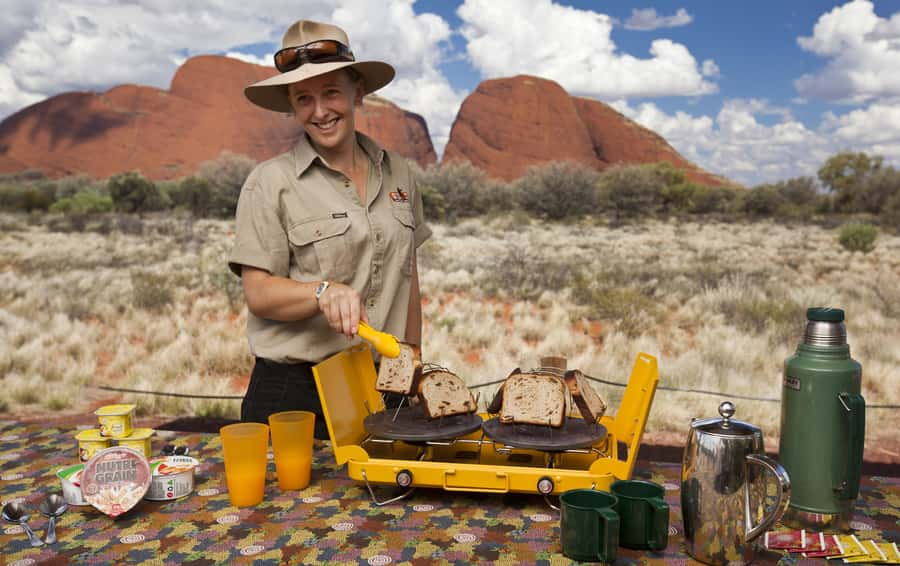
I like the personal scale, with no more than 11 people, and the guides’ strong local knowledge. Guides such as Tess, Max, Jess, Andy, and Shae have been praised for explaining geology, plants, wildlife, and Anangu culture in a warm, easygoing way. I also like the proper picnic breakfast, with muesli, toast, muffins, savoury and sweet choices, and plunger coffee.
The main catch is the early start and extra cost of national park entry. Walpa Gorge is not a flat stroll either: expect uneven ground, loose stones, and some uphill sections. Bring sturdy shoes, and consider a fly net in warmer months.
Key points to know before booking
- Sunrise at the Kata Tjuta viewing area: Watch morning light move across all 36 domes.
- Maximum 11 people: A small group makes it easier to ask questions and get help on the walk.
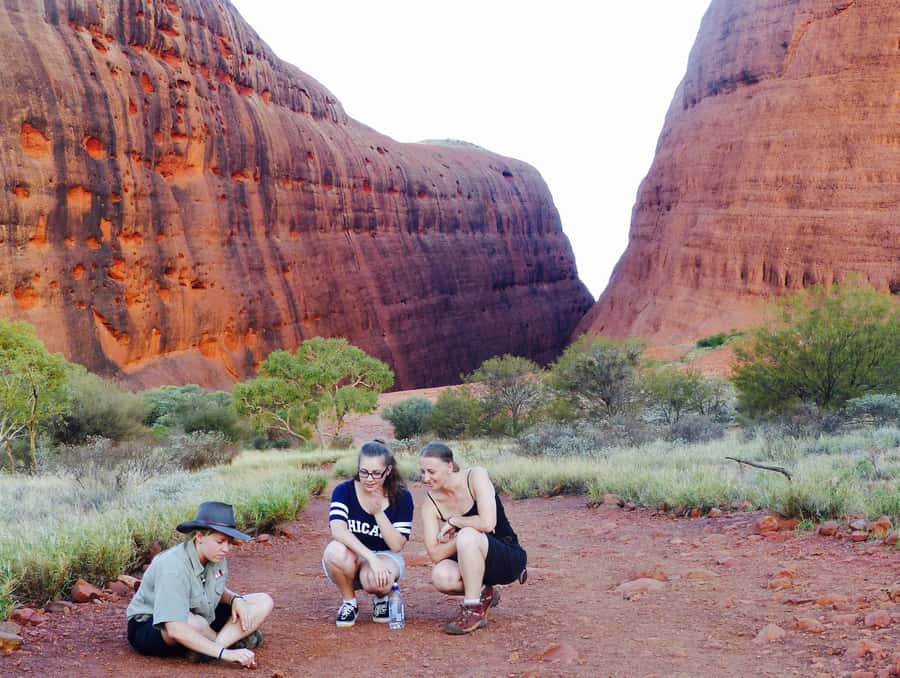
- Walpa Gorge on foot: The route passes between huge conglomerate rock walls, with uneven and sometimes steep ground.
- Breakfast with an outback feel: Expect muesli, toast, muffins, savoury and sweet food, and strong plunger coffee.
- Guides with broad subject knowledge: The commentary covers geology, flora, fauna, local history, and Anangu culture.
- Useful inclusions and extras: Resort pick-up, return transport, one bottle of water, and audio in six languages are included, but park entry is not.
Why Kata Tjuta sunrise is worth the early alarm
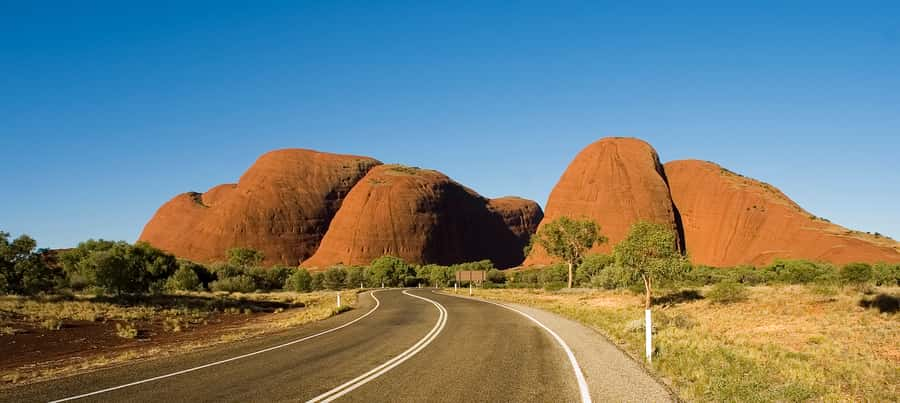
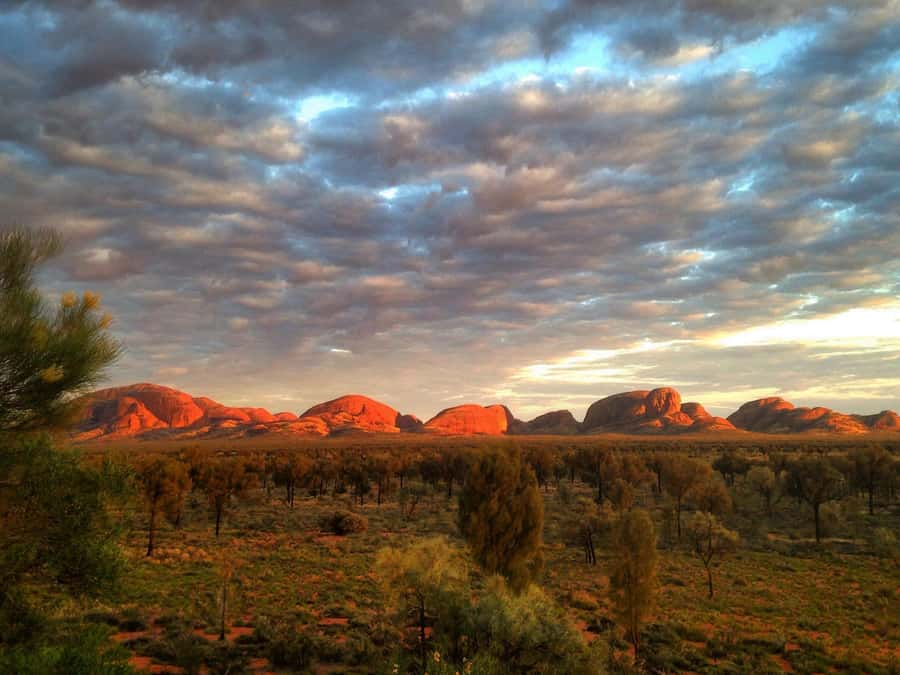
Kata Tjuta, also called the Olgas, is made up of 36 great domes. At sunrise, the view changes minute by minute. Grey and muted red tones give way to warmer shades as the sun rises over the desert, and the rounded rock formations begin to show their folds and gaps.
I like this start because it gives you a clear sense of scale before you walk. From the viewing area, you can take in the full group of domes rather than seeing only one wall of rock from close range. The quiet morning setting also suits Kata Tjuta’s spiritual importance.
The tour leaves from the entrance of your accommodation at Ayers Rock Resort. From there, you travel through the desert to the Uluru-Kata Tjuta National Park entrance, followed by another 40-kilometre drive to the rock formation. That transfer is part of the experience. You are not simply being dropped at a trailhead. Your guide can point out features along the way and explain how the desert supports plants and animals.
The exact pick-up time changes with the season and sunrise. Check availability for the current departure time, then plan to be ready well before dawn. This is not a late breakfast outing. It is a proper early start, but the cooler first hours are a real advantage, especially during warmer months.
More Sunrise Tours with Breakfast in Australia:
- Full Uluru Base Walk at Sunrise Including breakfast
★ 5.0 · 408 reviews - Hot Air Balloon Flights over Melbourne City (optional breakfast)
★ 5.0 · 403 reviews - Melbourne sunrise balloon flight & champagne breakfast
★ 5.0 · 270 reviews
A small bus and a guide who can shape the morning
The group limit is 11 people. That number matters here. You can hear the guide without a struggle, ask questions during the drive, and get more individual help on the walk. A smaller group also makes the breakfast stop less awkward and keeps the morning from feeling like a large procession.
The guide is the heart of the experience. The strongest guides bring several subjects together instead of offering a string of isolated facts. You might hear how Kata Tjuta formed, then move on to a plant growing beside the track, an animal adapted to the dry conditions, or the cultural meaning of a site.
Several guides have made a particularly strong impression. Tess played First Nations music on the bus and spoke about local geology, plants, animals, history, and the Anangu people. Max, a trained biologist, added detailed information about trees and other desert plants. Jess was praised for setting a relaxed pace, while Andy was described as engaging and good fun.
Names can change from one departure to another, so you should not book on the promise of one particular guide. Still, the pattern is clear: this tour depends on staff who can make a complicated place understandable without turning the morning into a lecture.
Optional audio is available in French, German, Spanish, Italian, Russian, and Mandarin. The live guide speaks English. The audio option may help if you prefer extra language support, but the small group format is best suited to people who want to listen, ask, and chat directly with the guide.
The viewing platform and the changing domes
The first main stop is the Kata Tjuta viewing area. You walk to a good vantage point and settle in for the sunrise. The viewing area can become crowded, particularly when several buses arrive at the same time, so patience helps if you want a clear photo position.
This is a place to slow down. You are not racing from one landmark to the next. The tour allows time to watch the colours shift and to see the desert wake up. Guides also offer to take photographs, a useful touch if you want a picture of your group rather than another solo shot.
The sight is atmospheric even if the weather does not cooperate. Clouds can soften or hide the sunrise, and strong wind or rain can change the feel of the stop. One cold, wet morning made the view less predictable, but the gorge remained worthwhile. That is a fair warning for anyone booking mainly for a perfect sunrise photograph: the sun does not take reservations.
Picnic breakfast with Kata Tjuta nearby
After the viewing stop, you head toward the western side of Kata Tjuta for breakfast. The meal is simple, practical, and well suited to an early morning. The food has included muesli, toast, muffins, savoury items, sweet choices, and plunger coffee.
I see real value in eating after the sunrise rather than before it. You get the main view first, then time to sit down, warm up, and prepare for the walk. The coffee has received special praise, and a hot cup can be welcome after a chilly start.
The breakfast is not designed as a luxury meal. It is an outback picnic, so expectations should stay sensible. On a cold or wet day, the food may feel more suited to warm weather, and serving breakfast in difficult conditions can be less comfortable. Bring a warm layer if you are visiting in winter, and do not assume the desert will feel hot simply because it is famous for heat.
The food is plentiful enough to set you up for the gorge walk. One bottle of water is included, but you should still bring your own water and a daypack. The supplied water is not a reason to arrive without extra drinking water, particularly if the day is warm.
More early starts worth the alarm around Australia:
- Sydney: Harbour Sunrise Kayak Tour
★ 5.0 · 1,899 reviews - Sydney: Sunrise Kayak, Opera House & Under Harbour Bridge
★ 5.0 · 869 reviews - Uluru: Field of Light Sunrise Tour with Hot Drinks
★ 4.6 · 572 reviews - Yarra Valley Sunrise Balloon Flight with GoPro Photos
★ 5.0 · 506 reviews
Walking into Walpa Gorge
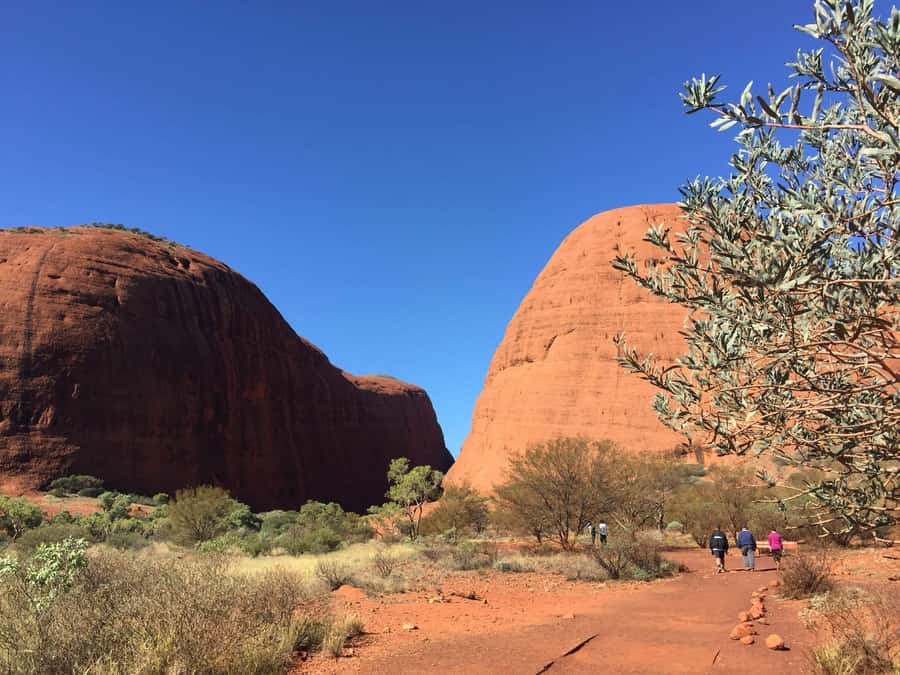
Walpa means wind, a fitting name for the passage between Kata Tjuta’s massive domes. The walk takes you between towering conglomerate walls, where weathering and upheaval have shaped the rock over millions of years.
This is the most active part of the morning. The route has an uneven hard surface, loose stones, and sections that rise uphill. One account described it as challenging, while another found it easy. That difference makes sense because comfort depends on your balance, fitness, footwear, and how far you choose to walk.
You do not need to treat the route as a test. Benches are available near the beginning and along the way, and the guide can adjust the pace. Guides have helped people with different abilities and made a point of not rushing the group. If the full walk feels like too much, you can stop at an earlier point and still enjoy the gorge entrance and the surrounding rock.
Wear closed-toe shoes with a firm sole. Sandals and smooth-soled casual shoes are poor choices on loose rock. Walking poles may help if you want extra stability, though they are not listed as an included item. A hat is useful in the sun, and a daypack gives you room for water and an extra layer.
The gorge itself is the reward for making the effort. The walls close in, the scale becomes easier to feel, and the guide can explain the geology at close range. You also get a different view from the sunrise platform. The morning works well because it combines the wide view first with a more intimate walk afterward.
What you learn along the way
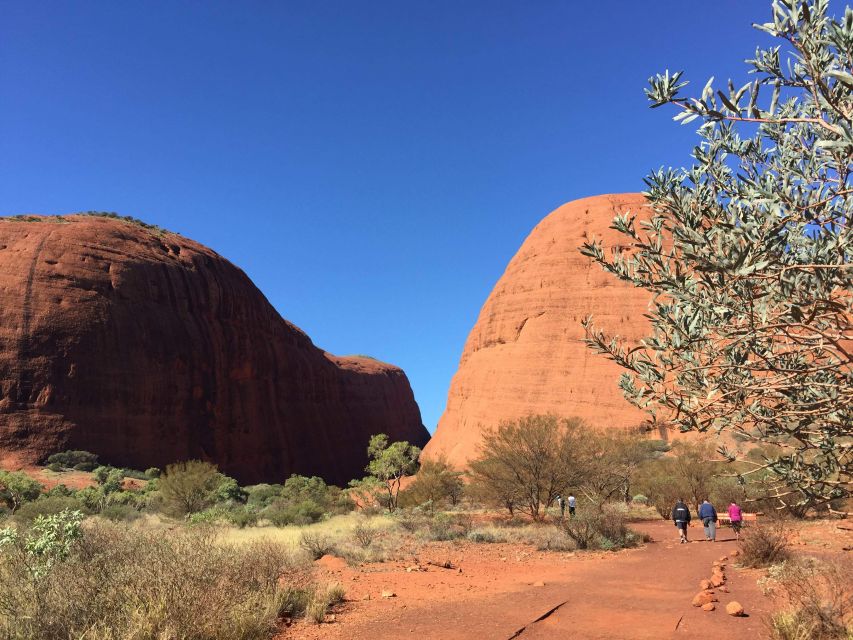
The guide’s commentary covers four useful strands: geology, ecology, history, and culture. Kata Tjuta is not just a scenic stop. Its form reflects long periods of weathering and major geological change, while the plants and animals around it show how life adapts to the desert.
The cultural explanation matters just as much as the physical story. Your guide explains the significance of Kata Tjuta and Walpa Gorge as a sacred ceremonial place, as well as the connection with the Anangu people. That context helps you understand why the area is treated with respect and why a guided visit can offer more than a quick photo stop.
The best approach is to listen closely and ask questions. With only 11 people, you have a better chance of getting an answer tailored to what you are seeing. One guide might focus more on biology, another on geology or local culture. That variety is useful, although the depth and style of commentary will depend on the person leading your departure.
Price, park fees, and what you really receive
The tour costs $169 per person. That price is not only paying for a drive to Kata Tjuta. It covers about five hours of transport, a live English-speaking guide, the sunrise stop, the gorge walk, breakfast, one bottle of water, and return service to Ayers Rock Resort.
For a first visit, I think the price can be fair. The park is a long way from the resort, and arranging transport yourself would require a suitable vehicle, fuel, park access, and your own plan for seeing both the viewing area and Walpa Gorge. The guide also adds value by connecting the scenery to geology, ecology, and Anangu culture.
You must pay the national park entry fee separately. It is $25 per person over 15, or $12.50 for children aged 5 to 15. The ticket is valid for three consecutive days, so it may also cover another visit to Uluru-Kata Tjuta National Park during the same period. Children under the stated age range are not charged the listed child price, but check the current booking terms for your party.
Infants aged 0 to 4 require a car seat in the Northern Territory. A car seat costs $75, paid directly, and the infant price includes touring and car seat hire. This is an important extra to budget for before you book.
Free cancellation is available up to three days before departure for a full refund. That gives you some protection if your plans change, but it does not remove the need to check the weather and your wider Ayers Rock Resort schedule.
Weather, flies, and useful packing advice
The desert can change quickly between cold dawn, bright sun, wind, and rain. Wear layers rather than relying on one heavy jacket or one light shirt. A warm top is especially useful in winter, while a hat and water matter in hotter months.
Flies are a real possibility. One visit in late October had no trouble, while another in March found the insects extremely bothersome. A fly net that covers your face can be bought at the airport or Ayers Rock Resort. It is a small, inexpensive piece of kit that can make the viewing stop much more pleasant.
Pack:
- Closed-toe walking shoes
- A hat
- Extra water
- A daypack
- Cash
- A warm layer
- A fly net if visiting during a buggy period
The walk is not suitable for anyone expecting a smooth, paved path. You should be reasonably steady on your feet, though the guides can pace the group and help accommodate different abilities. Ask about the route before setting out if you have mobility concerns.
Who should book the Kata Tjuta sunrise tour?
I recommend this tour most strongly if you have limited time at Ayers Rock Resort and want one well-organised morning focused on Kata Tjuta. It gives you a broad view, a closer walk, breakfast, transport, and interpretation without requiring you to plan each part yourself.
It also suits you if you value questions and conversation. The small group is a better fit than a large coach tour when you want personal attention, help with photographs, or a guide who can adapt the pace.
You may prefer another option if you dislike pre-dawn starts, have difficulty on uneven ground, or want to explore at your own speed. The tour does not replace a full day of walking around Kata Tjuta, and one guide-led gorge walk may leave you wanting more time in the area.
Should you book it?
Book it if you want a well-paced introduction to Kata Tjuta, especially if this is your first visit and you do not have your own transport. The combination of changing sunrise light, Walpa Gorge, a filling breakfast, and a maximum of 11 people gives the morning real substance.
Before booking, add the park entry fee to the price, check the departure time, and prepare for an uneven walk. Bring warm clothes for dawn, a fly net if needed, and proper shoes. If those details suit you, this is a strong way to meet Kata Tjuta before the day becomes hot and busy.
FAQ
How long is the Kata Tjuta sunrise tour?
The tour lasts five hours, including pick-up from and return to Ayers Rock Resort.
What does the tour include?
It includes a fully guided tour, resort pick-up and return transport, an outback picnic breakfast, one bottle of water, and optional audio in French, German, Spanish, Italian, Russian, and Mandarin.
Is national park entry included?
No. Entry to Uluru-Kata Tjuta National Park must be purchased separately at the entry station. Tickets cost $25 for people over 15 and $12.50 for children aged 5 to 15, and remain valid for three consecutive days.
How large is the group?
The tour has a maximum of 11 people.
What languages are available?
The live guide speaks English. Optional audio is available in French, German, Spanish, Italian, Russian, and Mandarin.
Is the Walpa Gorge walk difficult?
The walk follows uneven ground with loose stones and some uphill or steeper sections. Benches are available, and guides can adjust the pace. Closed-toe shoes are recommended.
Newly added sunrise trips around Australia
- Honey Ryder Sunrise Jet Skiing in Darwin★ 5.0 · 78 reviews
- WANDER BYRON Guided Sunrise Tours to Cape Byron Lighthouse★ 5.0 · 34 reviews
- Sunrise with the kangaroos and wallabies★ 5.0 · 29 reviews
- Airlie Beach: Kangaroos on the beach at dawn.★ 5.0 · 4 reviews
- Sydney: Hunter Valley Sunrise Balloon Flight with Transfer★ 4.4 · 20 reviews
- Sydney Sunrise Private Kayak – Opera House & Harbour Bridge★ 4.7 · 14 reviews
- Sunrise with the Kangaroos & Wallabies – Airlie Beach★ 5.0 · 46 reviews
- Sunrise Uluru Private Tour★ 5.0 · 6 reviews
Sunrise Tours with Breakfast, compared at first light.
Sunrise Mount Batur Guided Hike with Breakfast
Read our review →
Mount Batur Sunrise Trek With Guide and Breakfast
Read our review →
Angkor Wat Sunrise & 3 Main Temples with Breakfast – Small Group
Read our review →
Maui: Haleakala Sunrise Spectacular with Local Breakfast
Read our review →
Mount Batur Sunrise Trekking Private Tour with Breakfast and Hotel Transfer
Read our review →
Giza Sunrise Pyramid Guided Tour With Camel Ride & Breakfast
Read our review →
Mount Batur Sunrise Trekking (Private Tour and Breakfast at Restaurant)
Read our review →More lists with this sunrise on them