
Review · ULURU
Full Uluru Base Walk at Sunrise Including breakfast
Uluru is most rewarding up close, where folds in the red rock become cliffs, caves, shadows, and waterholes. This 12-kilometer base walk lets you see the whole monolith rather than only the familiar postcard view, with sunrise adding cool air and changing colors.
I like the small groups, which make it easier to hear stories and ask questions, and the strong cultural focus on Anangu Tjukurpa, including the Kuniya and Liru stories. The main catch is the breakfast: expect a practical satchel of bars, biscuits, fruit, juice, and a hot drink, not a table laid out beside the rock.
Key points to know before you book
- The full walk is genuinely 12 kilometers: The trail is mostly flat and marked, but the distance and sun can make this a serious morning outing.
- Sunrise timing works in your favor: You begin before dawn, when the air is cooler and Uluru is often quieter.
- The guide makes the difference: Guides including Rachel, Lucia, Flo, Andy, Graham, Lucy, and Emily have been praised for clear storytelling and friendly group care.
- Breakfast is portable by design: You carry the satchel during the walk, so the food is simple, light, and useful rather than elaborate.
- Cultural rules matter: Some areas are culturally sensitive, and photography may not be allowed at certain points.
- The national park fee is extra: Adults pay A$38 for a pass valid for 72 hours.
Why walking all the way around Uluru matters
Many people first see Uluru from a lookout or from the road. That view is powerful, but it can make the rock seem like one huge red wall. Walking the base changes that impression. The surface shifts constantly, from smooth sloping faces to deep grooves, overhangs, caves, and dark water-stained hollows.
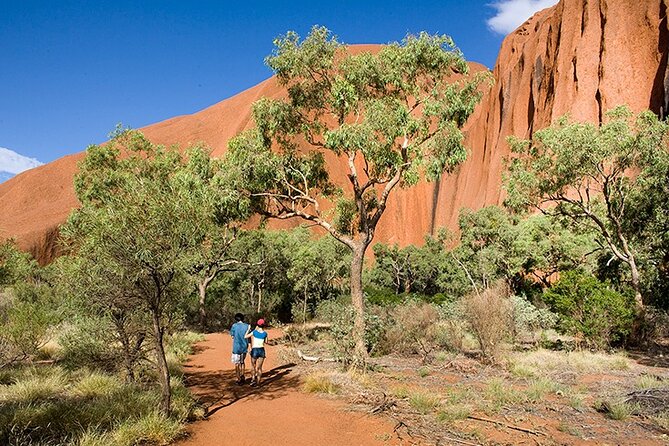
The full circuit is about 7.5 miles, or 12 kilometers. You do not climb Uluru. The route follows the base trail across an even surface, with some sandy sections. It is not a technical hike, but it is long enough to require decent shoes, water, sunscreen, and a moderate level of fitness.
I like this format because the distance gives the morning a clear rhythm. You walk, stop for a story, take in a new section of rock, and continue. Instead of rushing between viewpoints, you get time to notice how Uluru changes as the sun moves across it.
The tour lasts about six hours, including hotel pickup, the drive into the park, the walk, and the return to Ayers Rock Resort. You are committing most of a morning, but you also cover one of the Red Centre’s major experiences in a single outing.
More Sunrise Tours with Breakfast in Australia:
- Hot Air Balloon Flights over Melbourne City (optional breakfast)
★ 5.0 · 403 reviews - Melbourne sunrise balloon flight & champagne breakfast
★ 5.0 · 270 reviews - Uluru: Guided Walking Tour at Sunrise with Light Breakfast
★ 4.6 · 256 reviews
Starting before sunrise at Ayers Rock Resort
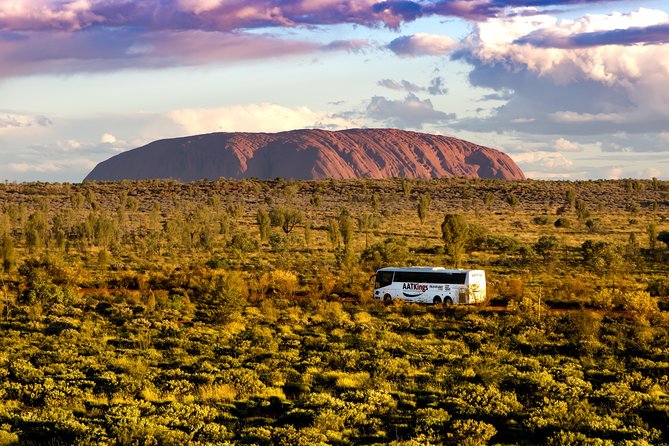
Pickup takes place before sunrise at your accommodation in the Ayers Rock Resort area. The tour uses an air-conditioned Mercedes-Benz Sprinter, a useful comfort in a place where the temperature can shift quickly between a cold dawn and a hot late morning.
The early departure is not just a scheduling detail. It is one of the best reasons to choose this tour. The first part of the walk takes place in cooler air, and starting early helps you avoid doing all 12 kilometers under the strongest heat of the day.
Bring layers. Several sections can remain cool because they sit in Uluru’s shade, even after the sun has risen. Later, once you leave shaded areas, you may warm up fast. A light jacket that can be removed, comfortable walking shoes, and a hat are sensible choices.
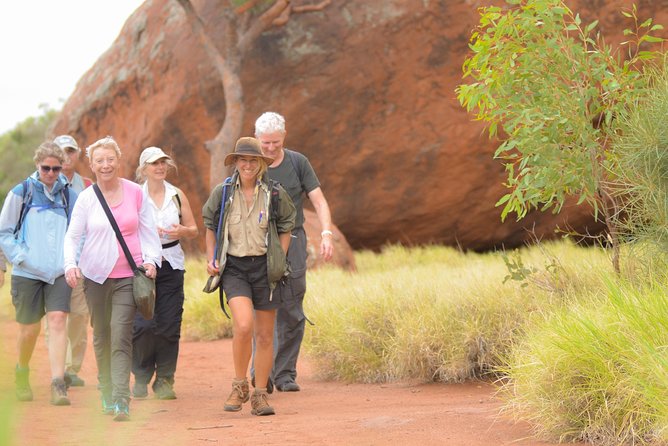
The tour has a maximum of 15 people, though some departures are much smaller. A group of six, eight, or even three gives the guide room to stop often and speak with everyone. A group of 11 still remains fairly manageable. This is a better setup for cultural interpretation than a full bus unloading at each stop.
Entering Uluru-Kata Tjuta National Park
The drive passes through the entrance station at Uluru-Kata Tjuta National Park. The adult park fee is not part of the tour price. It costs A$38 and remains valid for 72 hours, so you can use it for other visits during that period.
You can buy the pass online before arriving or purchase it from the guide that morning. If you already have a valid pass, keep it handy. One guide has even helped a participant renew a pass during the outing, but it is still wise to sort this out before pickup so the group can get moving.
Uluru is protected not only for its geology but also for its importance to the Anangu people. The walk is shaped by that cultural setting. Your guide points out places where stories, rock art, water, plants, and animals connect. The result is not simply a circuit around a rock. It is an introduction to why this place matters.
Sunrise on the base trail
The group begins the base trail just before sunrise. Depending on the exact starting point and season, you may not get the classic full-rock sunrise image from the first steps. Some early sections are culturally sensitive, and photography is not permitted in certain places.
That can disappoint people who arrive expecting to photograph every moment. It is also part of visiting respectfully. Your guide will explain where photos are allowed, so pay attention rather than assuming every dramatic view is yours to record.
Once the sun reaches Uluru, the rock begins to change color and texture. Sunrise is particularly useful here because low light picks out ridges and hollows that can flatten in the harsh middle of the day. You will see the monolith at close range, not just as a distant red shape.
The walking pace may feel brisk at the start. One way to make the distance manageable is to settle into the group’s rhythm early and use the regular stops to catch your breath, drink water, and look around. The trail is flat, but flat does not mean effortless after several hours.
More early starts worth the alarm around Australia:
- Sydney: Harbour Sunrise Kayak Tour
★ 5.0 · 1,899 reviews - Sydney: Sunrise Kayak, Opera House & Under Harbour Bridge
★ 5.0 · 869 reviews - Uluru: Field of Light Sunrise Tour with Hot Drinks
★ 4.6 · 572 reviews - Yarra Valley Sunrise Balloon Flight with GoPro Photos
★ 5.0 · 506 reviews
Stories along the Mala Walk and Kantju Gorge
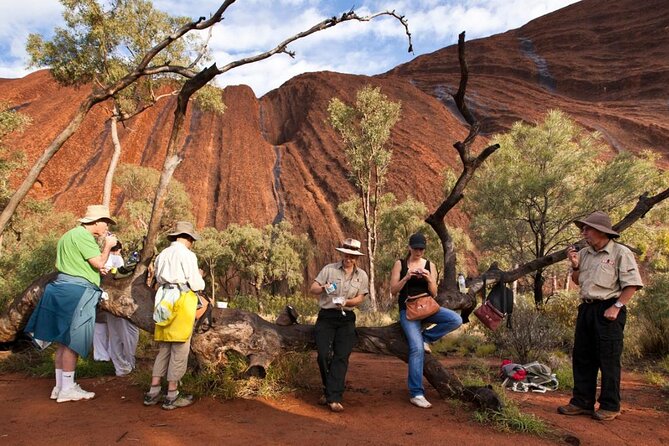
One of the first important sections includes the Mala Walk toward Kantju Gorge. Here, guides explain stories connected with the Mala people and the cultural meaning of the area.
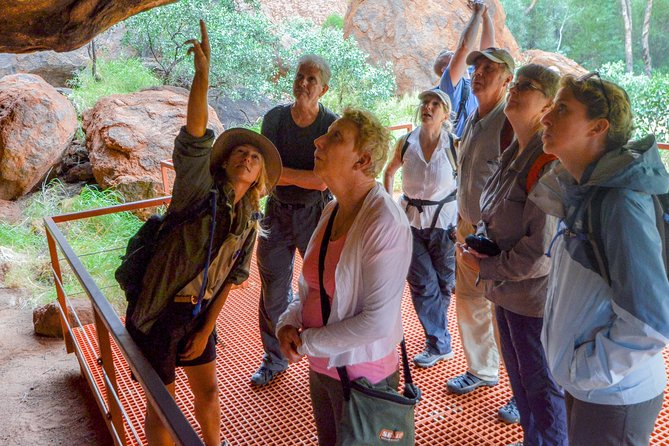
The best guides use more than a stream of facts. Rachel, Lucia, Flo, Andy, Graham, Lucy, Emily, and others have been praised for making the stories understandable and for using diagrams or pictures when useful. That matters because Tjukurpa is not simply a collection of old tales. It helps explain relationships between people, place, law, animals, and the natural world.
You may pause while the guide points out features in the rock and links them to a creation story. This gives the walk a sense of purpose. Instead of hearing one general talk at the beginning, you receive the explanation where the story belongs.
Kantju Gorge also shows why seeing Uluru close up is worthwhile. The base trail lets you notice shadows, grooves, and changes in the rock that are easy to miss from a vehicle or distant viewing area.
Kuniya, Liru, and Mutitjulu Waterhole
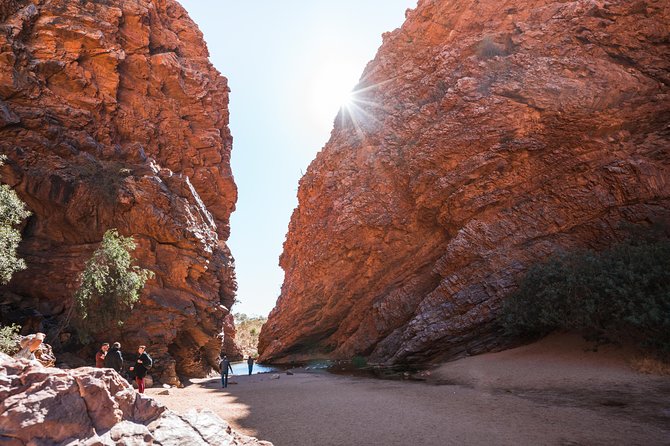
The route toward Mutitjulu Waterhole introduces the stories of Kuniya, the woma python, and Liru, the venomous snake. These are among the best-known Tjukurpa stories associated with Uluru, and hearing them in the places connected with them gives the interpretation extra weight.
Mutitjulu Waterhole provides one of the walk’s most memorable stops. Water is precious in Central Australia, and a waterhole changes the feel of the surrounding rock. The guide explains the site’s cultural importance while you take in the quieter sounds of the desert environment.
This is also a place where you should slow down. A common mistake is to treat the walk as a fitness challenge and hurry from one marker to the next. The point is not only to finish the circuit. It is to see how water, rock, plants, animals, and human stories fit together.
Rock art sites appear along the route as well. The information provided does not specify how many sites you will visit or their exact age, so you should not expect a fixed collection of stops. You can expect your guide to identify significant areas and explain their connection to Anangu culture.
A picnic breakfast that you carry yourself
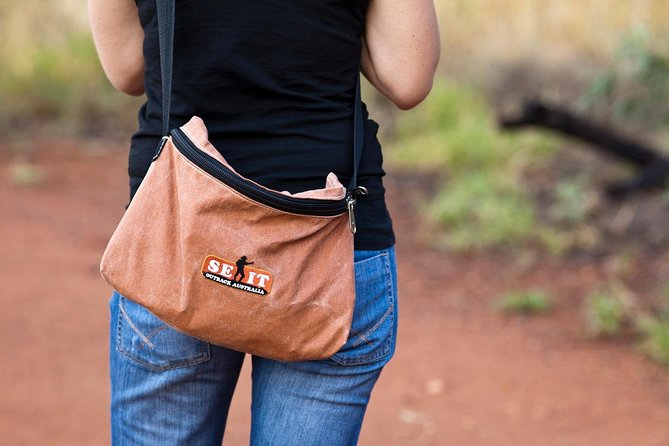
Breakfast comes in a supplied satchel that you carry during the hike. It is described as an outback picnic and is designed to provide energy without creating a food setup that must be transported and protected in desert conditions.
The contents can include a bar, biscuits, fruit, juice, milk, and a bottle of water. Hot water is provided for tea, coffee, or hot chocolate. Several people have found the warm drink especially welcome in the colder months.
Set your expectations correctly. This is trail food, not a cooked breakfast at a scenic table. If you want a larger meal, or if granola is not your thing, bring extra snacks where permitted and advise the operator about dietary needs when booking.
The satchel itself is worth understanding before you choose the tour. You carry it for much of the walk, so it is light but not completely hands-free. The advantage is that breakfast travels with you and can be eaten at a suitable stop with a close view of Uluru.
How hard is the 12-kilometer walk?
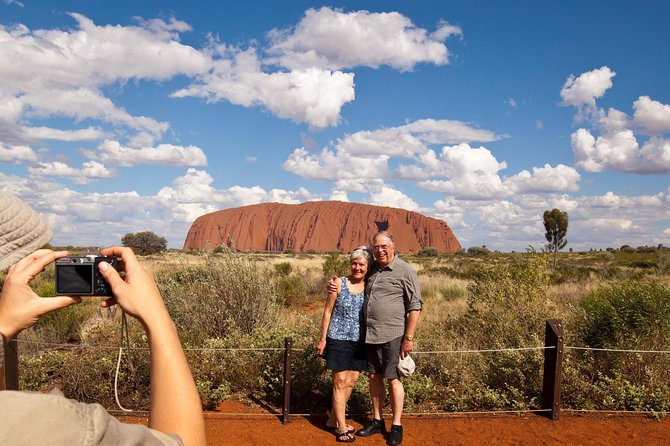
The trail is mostly even and flat, with some sandy areas. There are no steep climbs described, but the distance makes this a moderate outing rather than a casual stroll.
A reasonable fitness level will help. You should be comfortable walking for several hours, sometimes at a purposeful pace. Guides stop to explain sites, but the group still needs to complete the circuit within the tour’s schedule.
Take enough water, use sunscreen, wear supportive shoes, and cover your skin from the sun. A hat is useful, and you may want a fly mask or other fly protection, especially if insects bother you. The early start reduces heat exposure, but the latter part of the walk can still feel hot.
Facilities are limited along any long outdoor route, so use restrooms when you encounter them before moving on. This is simple advice, but it can make a big difference during a six-hour morning.
The guide is the main reason to choose a small group
The tour’s strongest feature is its human side. The route itself is available to people who visit Uluru independently, but a guide adds context at the exact places where it matters.
I would especially value a guide who waits until the whole group arrives before beginning a story. One participant found that some information was missed when the explanation began early, so stay close during transitions and speak up if you have not heard something.
Guides such as Rachel and Lucia are described as warm, engaging, and strong storytellers. Flo has been praised for keeping the group on time while making the morning enjoyable. Andy is noted for being friendly and informative, while Graham is described as passionate about the area. These individual strengths matter more than a polished script.
A small group also makes the cultural tone more respectful. You have a better chance to ask a thoughtful question, hear the answer, and avoid turning an important site into a crowded photo stop.
Is the A$171.42 price good value?
At $171.42 per person, the tour is not a cheap way to get around Uluru. Add the A$38 adult national park fee, and the total cost rises further.
I still think the price can make sense if you have limited time at Uluru or want the full circuit without handling transport, navigation, and interpretation yourself. The fee includes hotel pickup and drop-off, an air-conditioned vehicle, a professional guide, the full base walk, and the picnic breakfast.
The comparison is simple. If you have a car, already hold a park pass, and are happy to follow the trail on your own, you can reduce the cost. You will also lose the stories and the local explanation at Mala Walk, Kantju Gorge, and Mutitjulu Waterhole.
For many people, the small group is the deciding factor. A larger, cheaper outing may cover similar ground, but a group capped at 15 gives this long walk a calmer feel and makes the guide’s interpretation easier to follow.
Who should book this sunrise walk?
This suits you if you want a close look at Uluru, prefer active sightseeing, and care about learning the cultural meaning of the place. It is also a smart choice if your time in Yulara is limited and you want to combine the main base trail with transport and a guide.
It is less suitable if you dislike early starts, cannot comfortably walk 12 kilometers, or expect a restaurant-style breakfast. The route is not technically hard, but the full distance is real.
Families and older visitors should judge the walk by stamina rather than age. The surface is generally even, yet the schedule and distance still require a moderate fitness level. If you are uncertain, ask yourself whether a five-hour walk with stops sounds manageable in warm conditions.
Book with enough notice if your schedule is tight. Confirmation is sent within 48 hours, subject to availability, and the experience requires suitable weather and a minimum number of people. If poor weather or low enrollment cancels the tour, you are offered another date or a full refund.
Should you book it?
I would book this tour if I wanted the complete Uluru base experience and valued cultural storytelling more than a low price. The sunrise start, small group, and guides who explain Tjukurpa at the places where the stories belong give the walk real substance.
Go in prepared: the breakfast is compact, the 12 kilometers can feel long, and photography rules apply in culturally sensitive areas. With good shoes, layers, water, sunscreen, and realistic expectations about the meal, this is one of the most useful ways to spend a morning at Uluru.
FAQ
How long does the Uluru base walk tour last?
The experience lasts approximately six hours, including hotel pickup, the park visit, the walk, breakfast, and the return to your Ayers Rock Resort accommodation.
How far is the walk around Uluru?
The full base trail is approximately 12 kilometers, or 7.5 miles.
Does the tour include hotel pickup and drop-off?
Yes. Pickup and drop-off are included for accommodation at Ayers Rock Resort.
Is the national park entry fee included?
No. The adult Uluru-Kata Tjuta National Park fee is A$38 and is valid for 72 hours.
Can I buy the park pass from the guide?
Yes. The pass can be purchased online before arrival or from the guide on the morning of the tour.
What food is included?
The tour includes an outback picnic breakfast carried in a supplied satchel. Food can include a bar, biscuits, fruit, juice, milk, and water, with hot water for tea, coffee, or hot chocolate.
Can I request special dietary food?
Yes. You should provide any dietary requirements when booking.
How large is the tour group?
The maximum group size is 15 people.
Is the walk difficult?
The route is mostly flat and follows an even, marked surface, though some sections may be sandy. A moderate level of physical fitness is recommended because the walk covers 12 kilometers.
Can I take photographs everywhere around Uluru?
No. Some areas are culturally sensitive, and photography is not permitted in certain places. Your guide will explain the local restrictions during the walk.
Newly added sunrise trips around Australia
- Honey Ryder Sunrise Jet Skiing in Darwin★ 5.0 · 78 reviews
- WANDER BYRON Guided Sunrise Tours to Cape Byron Lighthouse★ 5.0 · 34 reviews
- Sunrise with the kangaroos and wallabies★ 5.0 · 29 reviews
- Airlie Beach: Kangaroos on the beach at dawn.★ 5.0 · 4 reviews
- Sydney: Hunter Valley Sunrise Balloon Flight with Transfer★ 4.4 · 20 reviews
- Sydney Sunrise Private Kayak – Opera House & Harbour Bridge★ 4.7 · 14 reviews
- Sunrise with the Kangaroos & Wallabies – Airlie Beach★ 5.0 · 46 reviews
- Sunrise Uluru Private Tour★ 5.0 · 6 reviews
Sunrise Tours with Breakfast, compared at first light.
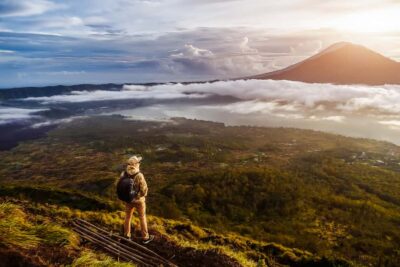
Sunrise Mount Batur Guided Hike with Breakfast
Read our review →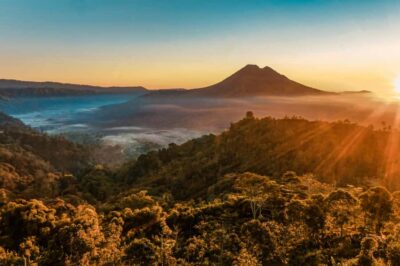
Mount Batur Sunrise Trek With Guide and Breakfast
Read our review →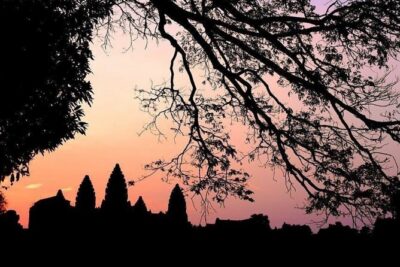
Angkor Wat Sunrise & 3 Main Temples with Breakfast – Small Group
Read our review →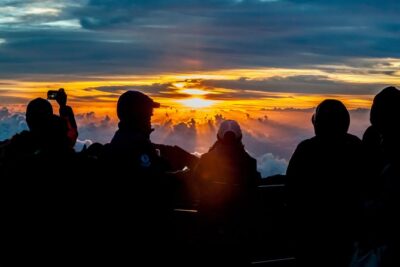
Maui: Haleakala Sunrise Spectacular with Local Breakfast
Read our review →
Mount Batur Sunrise Trekking Private Tour with Breakfast and Hotel Transfer
Read our review →
Giza Sunrise Pyramid Guided Tour With Camel Ride & Breakfast
Read our review →
Mount Batur Sunrise Trekking (Private Tour and Breakfast at Restaurant)
Read our review →More lists with this sunrise on them