
Review · ULURU
Uluru: Guided Walking Tour at Sunrise with Light Breakfast
Uluru reveals itself slowly on this 10.5-kilometer base walk, as dawn light moves across the red rock and desert. You follow sections of the Mala and Lungkata walks, visit Mutitjulu Waterhole, and hear Tjukurpa stories connected to the Anangu people and this sacred place.
I like the way the guide turns a long walk into a cultural experience, and I like the useful early start, when the air is cooler. The light breakfast, hot tea, and coffee also give you a sensible break rather than treating the route as a race.
The main drawback is the pace. Several people found the walk brisk, and you need moderate fitness, two liters of water, and comfortable shoes. The sunrise view can also be less dramatic than expected because you are close to Uluru rather than watching the sun rise behind the rock from a distant lookout.
Key points to know before booking
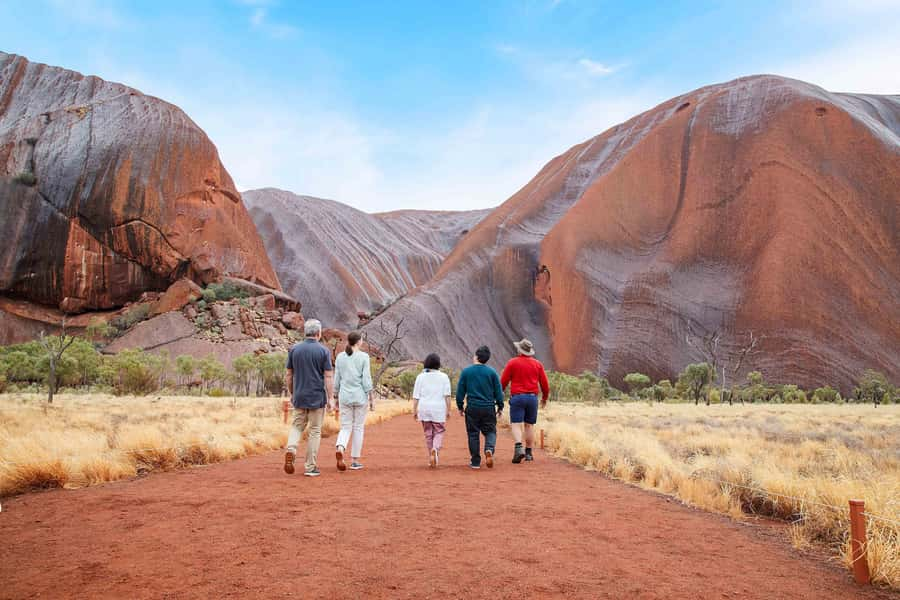
- The full base walk covers 10.5 kilometers: The route is long but generally flat, with stops that help break it up.
- The tour leaves one hour before sunrise: Pickup and return times change through the year, so reconfirm your exact time.
- Stories are central to the experience: Guides such as Michelle, Hayley, Glen, Alex, and Jesse have been praised for explaining Tjukurpa, Aboriginal traditions, geology, wildlife, and European history.
- Breakfast comes during the walk: Expect simple picnic-style food, such as cereal, muesli bars, apples, tea, and coffee.
- You must buy the park ticket separately: Uluru and Kata Tjuta National Park entry is not included.
- The return time matters: The tour ends at about 1:00 PM, and an airport transfer may not be possible afterward.
Why the full 10.5-kilometer walk is worth your morning
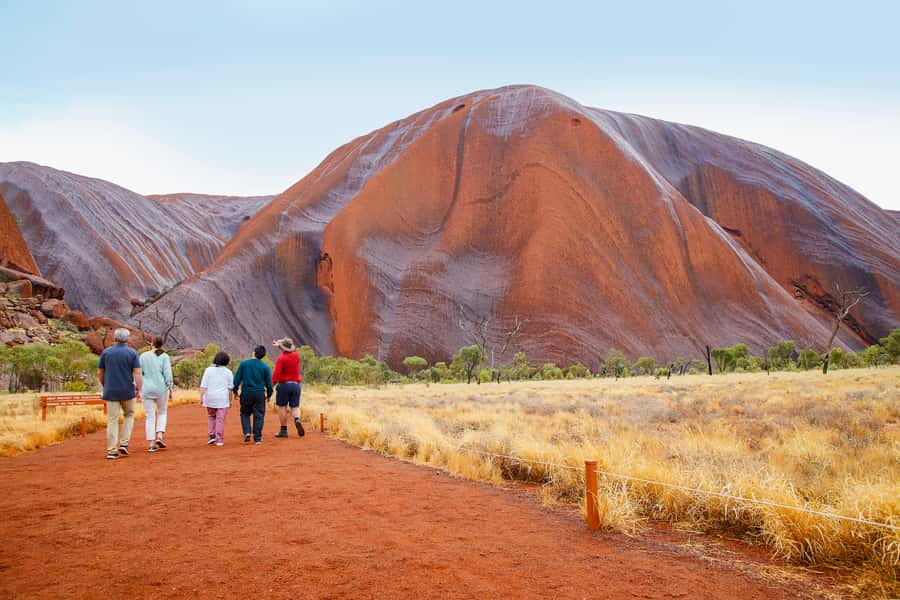
Many people see Uluru from a distance, take a few photographs, and leave with only a broad sense of its size. This walk gives you something different. You spend several hours moving around the entire base, watching the rock change shape, color, and mood from one side to the next.
The track is long, but it is described as gentle and mostly flat. That makes the distance more manageable than the number first suggests. Still, do not confuse flat with effortless. Ten and a half kilometers is a serious morning walk, especially in central Australia, and the group may keep a brisk pace.
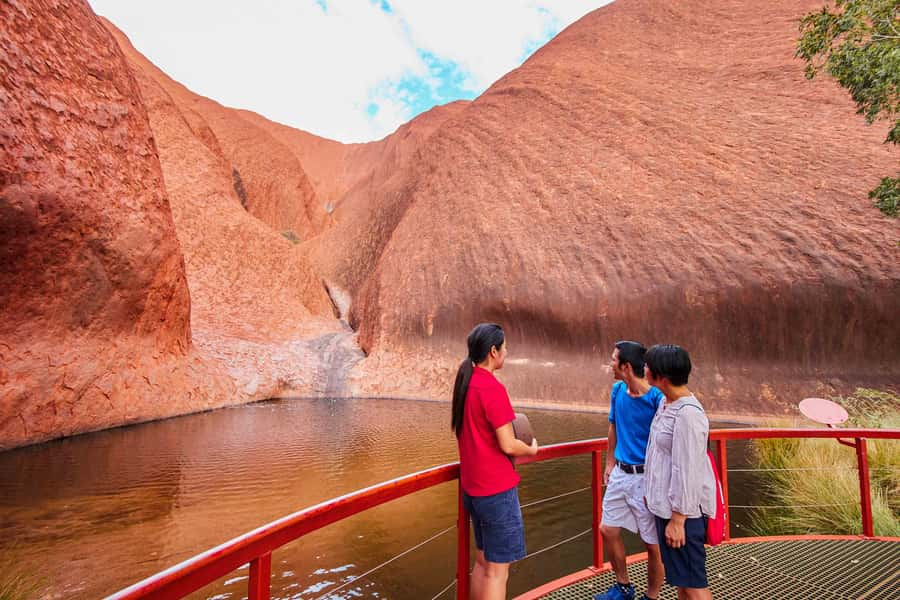
The route brings you close to sheltered caves, waterholes, rock walls, and areas linked to Aboriginal life and ceremony. This close view matters because Uluru is not simply a large natural landmark. It is a sacred place with living cultural meaning, and the guide helps you understand why some areas are treated with particular care.
You will hear about the Mala Tjukurpa, connected with the hare-wallaby people, as well as the story of the cheeky blue-tongue lizard along the Lungkata Walk. These stories give the rock a human and spiritual dimension. They also help you pay attention to details you could easily miss when walking on your own.
More Sunrise Tours with Breakfast in Australia:
- Full Uluru Base Walk at Sunrise Including breakfast
★ 5.0 · 408 reviews - Hot Air Balloon Flights over Melbourne City (optional breakfast)
★ 5.0 · 403 reviews - Melbourne sunrise balloon flight & champagne breakfast
★ 5.0 · 270 reviews
Starting before dawn at Kuniya Piti
The day begins early, with pickup about an hour before sunrise. That can mean a very early alarm, but it puts you at Uluru during the coolest part of the morning. In the warmer months, this timing is especially useful because the walk can become difficult once the sun is high.
After the coach ride, the group begins near Kuniya Piti. Your driver guide introduces the area and starts explaining the Tjukurpa, the body of stories and law that connects Anangu people with the land. The coach is air-conditioned, and it is used mainly to take you to and from the walking area.
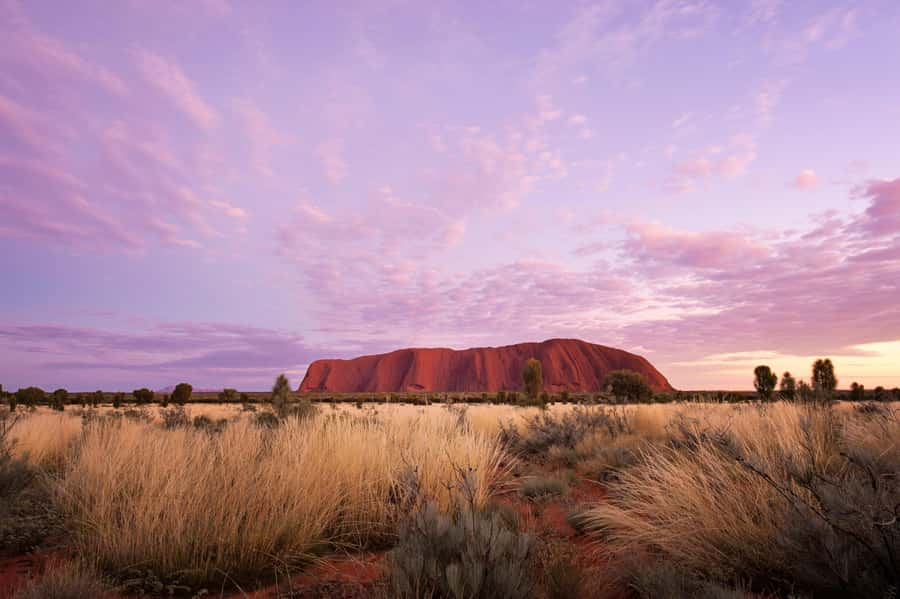
Do not expect a distant sunrise lookout with Uluru framed neatly against the rising sun. You are close to the rock at sunrise, so the view may be of dawn light falling across Uluru rather than the sun appearing directly behind it. This is an important distinction if the phrase sunrise tour makes you picture a classic postcard view.
The reward is intimacy. You watch the rock brighten at close range, with its folds and surfaces becoming easier to read as the light improves. The experience is less about one perfect photograph and more about seeing Uluru wake up around you.
The Mala Walk and the sacred western side
The Mala Walk is one of the most meaningful parts of the route. Here, the guide points out areas connected with the Mala people and places where Aboriginal communities lived, prepared food, and made ready for ceremonies.
You should pay attention to the guide’s instructions in this section. One person found the early part of the walk a little rushed, while also understanding the need to move visitors through sensitive areas respectfully. That balance is worth keeping in mind. You may not have unlimited time to pause, wander, or examine every surface.
This is where a good guide makes a major difference. Guides including Michelle, Hayley, Glen, Jess, and Jesse have been praised for telling stories with warmth and humor while treating the culture and site with care. The strongest commentary does more than list facts. It explains how people, animals, water, weather, and ceremony connect.
The walk also gives you a chance to ask questions. Several guides have been praised for explaining not just cultural stories, but also the rock’s geology, local plants, animals, and the history of European contact. That mix helps you see Uluru as both a sacred cultural place and a remarkable natural formation.
Kantju Gorge and the desert waterfall
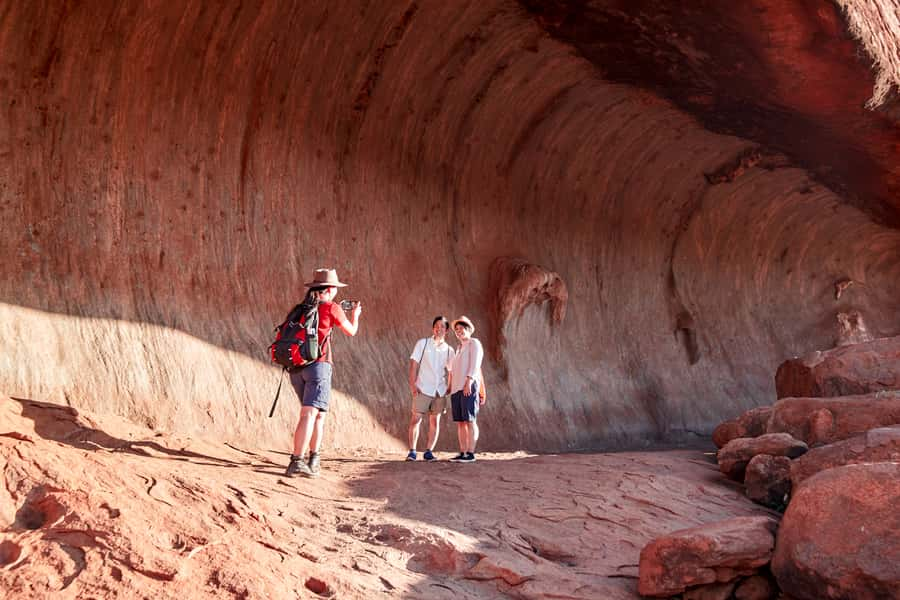
Kantju Gorge is a dramatic stop along the route. The gorge can suggest the image of a waterfall in the desert, even though water is not a constant feature here. In a dry environment, the idea of water gathering and moving through the rock becomes part of what makes this place special.
Your guide explains how the gorge fits into the wider story of Uluru. The scale can be hard to grasp from a coach or a distant viewing point, but standing near the base lets you look upward at the rock’s walls and weathered surfaces.
This stop also helps break up the walk. The tour is not a nonstop march for 10.5 kilometers. There are places to pause, listen, take in the view, and let the meaning of the surroundings catch up with you. That said, the exact amount of time at each point can depend on the group and the guide.
If you walk slowly, keep close enough to hear the commentary and maintain the group’s rhythm. One useful lesson from the experience is that distance is not the only challenge. Speed matters too.
More Guided Tours in Australia:
- WANDER BYRON Guided Sunrise Tours to Cape Byron Lighthouse
★ 5.0 · 34 reviews - Kata Tjuta Private Guided Sunrise Tour
★ 4.6 · 3 reviews - Angkor Wat Sunrise or Sunset Tour with Guide from Siem Reap
★ 5.0 · 12,109 reviews - Bali: Sunrise Mount Batur Guided Hike with Breakfast
★ 4.8 · 9,660 reviews
Lungkata Walk, blue-tongue lizard stories, and rock art
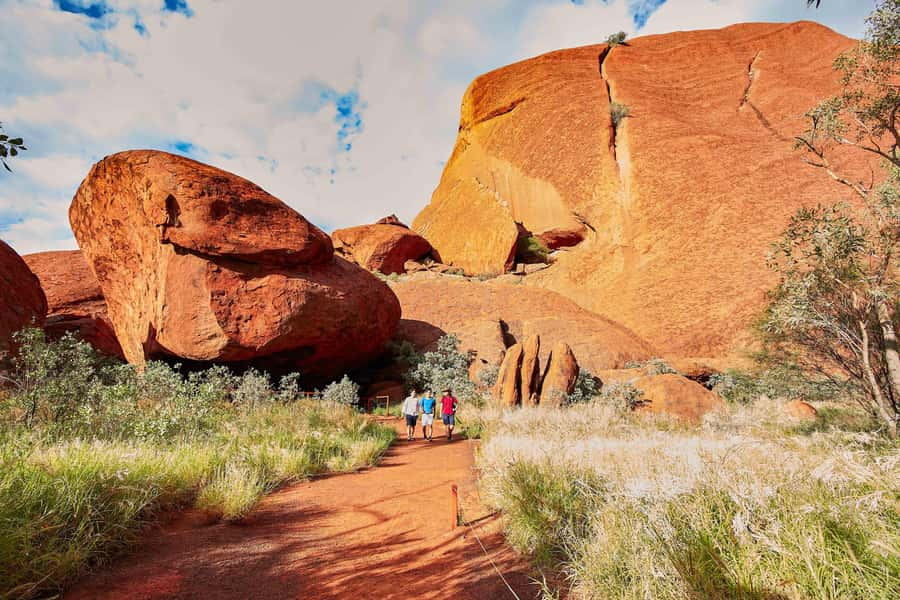
The Lungkata Walk brings another layer of storytelling. Here you hear about a cheeky blue-tongue lizard and the Tjukurpa connected with the area. The story gives you a reason to look closely at the rock and surrounding country rather than simply counting down the kilometers.
You also visit Aboriginal rock art. These paintings are not decorative extras added to a sightseeing route. They are part of a cultural record and need to be approached respectfully. Listen carefully when the guide explains what can be seen and how the site relates to Indigenous life.
The rock art is one reason a guided walk offers more than going alone. Without interpretation, you might pass a sheltered section of rock without realizing its importance. With a guide, a small marking or cave becomes part of a much larger story about teaching, ceremony, travel, and survival.
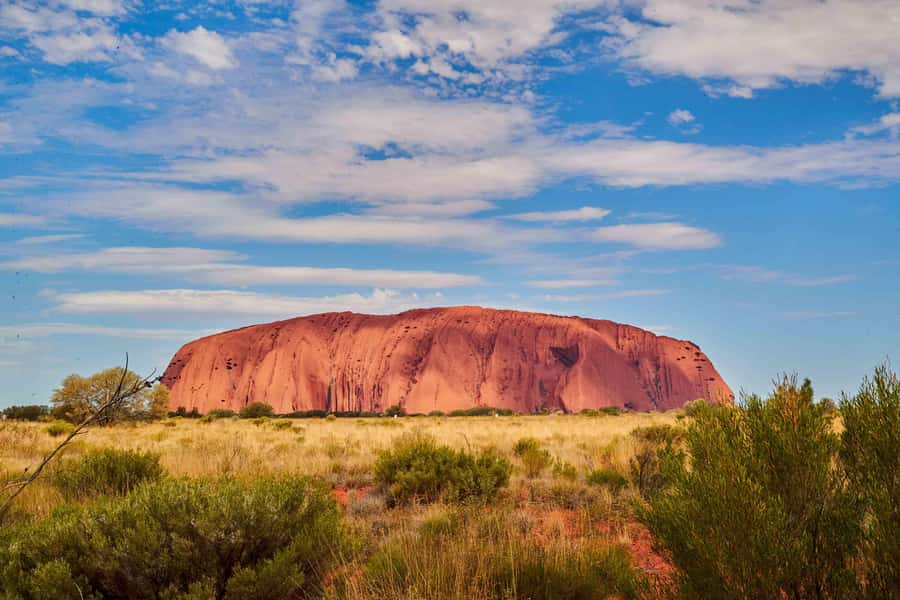
The route also helps you understand Uluru from several angles. Its profile changes as you walk, and the light brings out different tones in the stone. I like this slow change more than a quick stop at a single viewpoint. You earn the changing views with your feet.
Breakfast, water, toilets, and the practical side
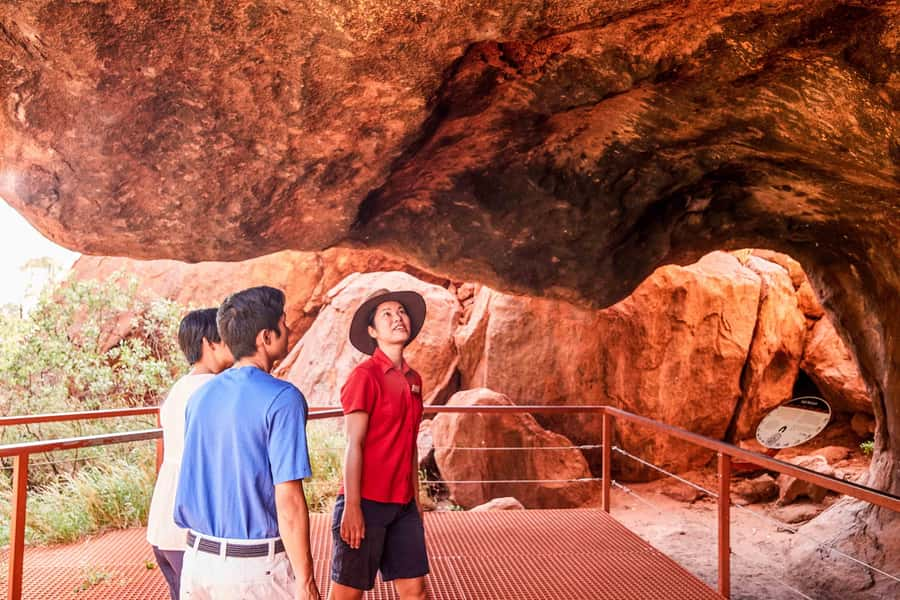
A light breakfast and hot tea or coffee are included. The food is simple rather than a full meal. It may include cereal, muesli bars, apples, and hot drinks, with a picnic-style break during the walk.
That is enough to take the edge off an early start, but I would still eat sensibly before pickup if you need a larger breakfast. The tour lasts about 330 minutes, and the walking effort adds up.
Bring at least two liters of water. This is not an optional suggestion. You are walking in an exposed desert setting, and the group may move at a steady pace. A backpack or rucksack is more useful than carrying a bottle in your hand all morning.
Wear comfortable walking shoes, light practical clothing, and sun protection. A fly net can be useful, particularly in warmer months. Toilets are available during the outing, though the facilities at the start may be basic drop toilets. Use your hotel bathroom before departure if that matters to you.
A stroller may be possible in parts of the route, but the walk is not wheelchair accessible, and carrying a small child may be necessary. One family managed the walk with a 15-month-old child, but you should be realistic about the distance, pace, and need to carry a baby.
How the guide affects the experience
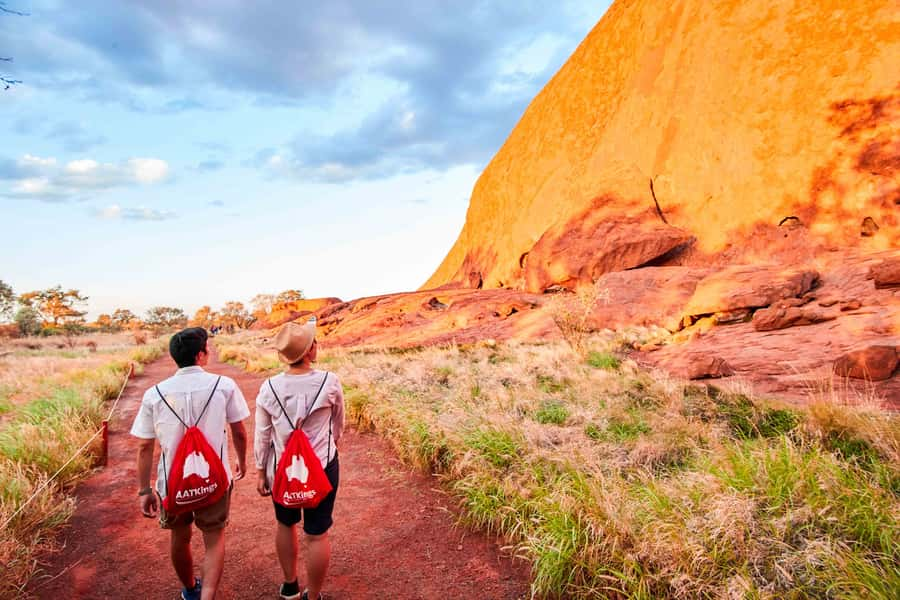
The guide is the key part of this tour. The strongest guides combine storytelling with practical control of the group. Names praised for this balance include Michelle, Hayley, Glen, Alex, Jesse, Nerida, Trent, and Jess.
Michelle has been singled out for explaining sacred sites, animals, geology, and history in a way that made the long route easier. Hayley has been praised for enthusiasm and humor. Glen has been described as warm and skilled at telling stories about Uluru’s cultural meaning.
The quality of the commentary can vary with the individual guide, as it does on any group tour. One person found a guide less inspiring and occasionally unsure of story details. That is not the usual impression reflected in the strong overall rating, but it is fair to remember that the guide shapes much of the morning.
The small or moderate group feel is another advantage. The coach may be larger, but the walking group is not described as unmanageably large. A group that stays together makes it easier to hear the stories and ask questions.
The $140 price and what it covers
At $140 per person, this is not a cheap way to reach Uluru. You are paying for an early pickup, air-conditioned transport, an accredited local driver guide, live English commentary, breakfast, and a full guided base walk.
The value depends on how you would otherwise spend your morning. If you are confident walking alone and already have transport to the park, you could choose a self-guided visit and save money. But you would lose the cultural interpretation, route management, and stories that make the base walk more than a long circuit.
The national park entry ticket is extra and must be bought online in advance. Add that cost to your planning before comparing the tour with other options.
For a first visit, I think the price is reasonable if you want the full base walk and prefer not to manage the route, timing, and cultural context alone. It is less appealing if you mainly want a distant sunrise photograph or dislike walking in a group.
Timing, airport transfers, and seasonal planning
The tour departs one hour before sunrise, but the clock time changes during the year. Reconfirm your pickup time and arrive at the meeting point 10 minutes early.
The tour usually ends around 1:00 PM. The exact finish has caused some confusion in the past, so do not book an airport transfer immediately afterward without checking the timing carefully. The information specifically warns that you may not return to Ayers Rock Resort in time for same-day airport transfers.
The early start is worthwhile in hot weather. You walk during the cooler part of the day and finish before the worst heat. In warmer months, the guide may adjust the pace and stops, but you still need to carry enough water and protect yourself from the sun.
Who should book this Uluru base walk?
I would choose this tour if you want to walk all the way around Uluru and learn why the site matters to Anangu people. It suits reasonably fit visitors who can handle a long, flat route and who value stories as much as photographs.
It is also a good choice for first-time visitors staying at Ayers Rock Resort. The coach removes the need to arrange transport to the park, while the guide gives you a clear introduction to culture, nature, and history in one morning.
I would think twice if you have limited mobility, struggle with brisk walking, or want a relaxed stroll with no pressure to keep up. It is not wheelchair accessible, and the route is longer than the word walk might suggest.
Should you book it?
Book this AAT Kings tour if the full base walk is high on your Uluru list and you want the site explained with respect and context. The most praised part is the human element: guides such as Michelle, Hayley, Glen, and Jesse make the long route easier to understand and more memorable.
Go in prepared. Buy your park ticket ahead of time, bring two liters of water, wear proper shoes, expect a brisk pace, and do not count on a dramatic sun-behind-Uluru view. With those points clear, this is a strong way to meet Uluru at close range and finish the morning with a genuine sense of the place.
FAQ
How long is the Uluru walking tour?
The base walk covers 10.5 kilometers, and the full activity lasts about 330 minutes.
What time does the tour depart?
The tour departs one hour before sunrise. The exact pickup time changes throughout the year, so you should reconfirm it before the tour and arrive 10 minutes early.
Is breakfast included?
Yes. A light breakfast with hot tea or coffee is included. The food may include cereal, muesli bars, apples, and other simple picnic-style items.
Is the Uluru National Park entry ticket included?
No. You must buy the Uluru and Kata Tjuta National Park entry ticket online in advance.
How much water should I bring?
You should bring at least two liters of water for the walk.
Is the tour wheelchair accessible?
No. The activity is not wheelchair accessible and is not suitable for wheelchair users.
Can I take an airport transfer after the tour?
The tour ends at approximately 1:00 PM, and it may not be possible to return to Ayers Rock Resort in time for an airport transfer that day. Check the timing carefully before booking onward transport.
Newly added sunrise trips around Australia
- Honey Ryder Sunrise Jet Skiing in Darwin★ 5.0 · 78 reviews
- WANDER BYRON Guided Sunrise Tours to Cape Byron Lighthouse★ 5.0 · 34 reviews
- Sunrise with the kangaroos and wallabies★ 5.0 · 29 reviews
- Airlie Beach: Kangaroos on the beach at dawn.★ 5.0 · 4 reviews
- Sydney: Hunter Valley Sunrise Balloon Flight with Transfer★ 4.4 · 20 reviews
- Sydney Sunrise Private Kayak – Opera House & Harbour Bridge★ 4.7 · 14 reviews
- Sunrise with the Kangaroos & Wallabies – Airlie Beach★ 5.0 · 46 reviews
- Sunrise Uluru Private Tour★ 5.0 · 6 reviews
Sunrise Tours with Breakfast, compared at first light.
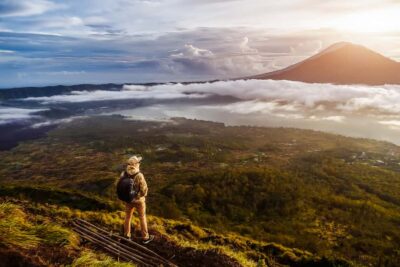
Sunrise Mount Batur Guided Hike with Breakfast
Read our review →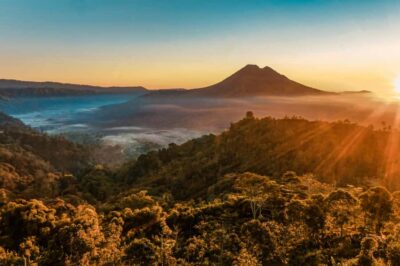
Mount Batur Sunrise Trek With Guide and Breakfast
Read our review →
Angkor Wat Sunrise & 3 Main Temples with Breakfast – Small Group
Read our review →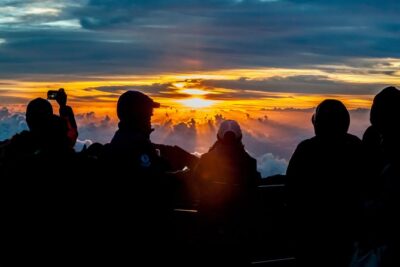
Maui: Haleakala Sunrise Spectacular with Local Breakfast
Read our review →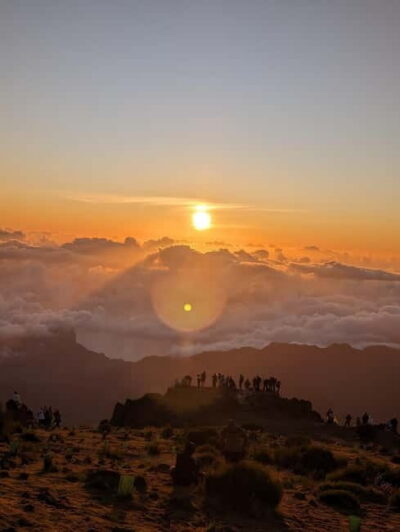
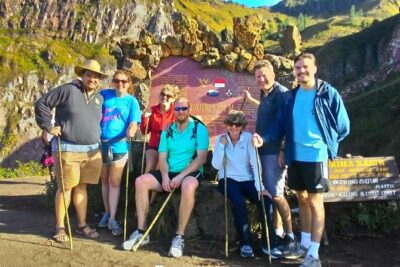
Mount Batur Sunrise Trekking Private Tour with Breakfast and Hotel Transfer
Read our review →
Giza Sunrise Pyramid Guided Tour With Camel Ride & Breakfast
Read our review →
Mount Batur Sunrise Trekking (Private Tour and Breakfast at Restaurant)
Read our review →More lists with this sunrise on them