
Review · ULURU
Uluru (Ayers Rock) Field of Light Sunrise Tour
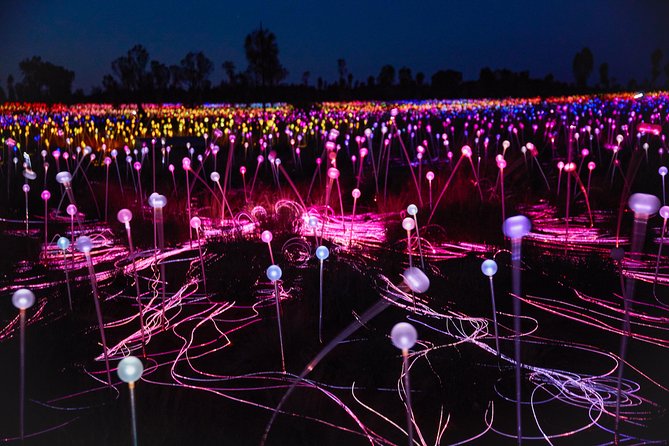
The best part of this tour comes before sunrise, when Uluru’s Field of Light glows beneath the stars. You walk through more than 50,000 light spheres in ochre, violet, blue, and soft white, then watch the installation fade as daylight reaches Uluru.
I like the easy two-hour format and the fact that you get both an art installation and a desert sunrise in one outing. I also like the quiet early hour, hot drinks, biscuits, and views of both Uluru and Kata Tjuta from the dune-top viewing area.
The drawback is the alarm clock. Pickup can be around 3:00 or 4:30 a.m., depending on sunrise, and the sunrise viewpoint is not right beside Uluru. The lights may also be less impressive in rain or if some bulbs are not working.
Key points at a glance
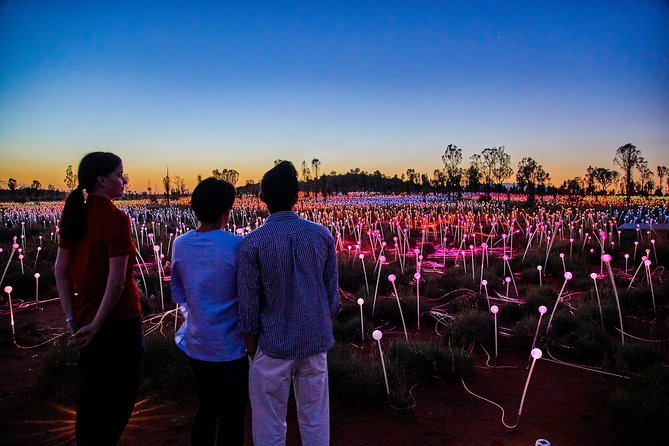
- Two sights before breakfast: Walk through the Field of Light, then watch sunrise over Uluru and Kata Tjuta.
- A short, practical outing: The tour lasts about two hours and returns to your resort in time for breakfast or another activity.
- Darkness matters: The Field of Light is at its best before dawn, under stars or even a full moon.
- Easy walking paths: The routes are flat, with shorter and longer options available at the site.
- Small touches help: Tea, coffee, hot chocolate, biscuits, and a dune-top viewing area make the cold morning easier.
- Come prepared: Wear warm layers, carry a phone flashlight, and consider a fly net for the later part of the morning.
Why the Field of Light works before sunrise
Bruce Munro’s Field of Light is not simply a collection of lamps placed near Uluru. Its effect depends on darkness, open space, and the slow change from night to day.
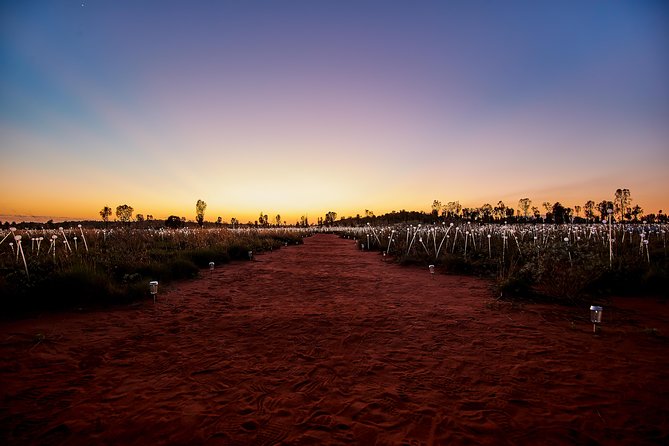
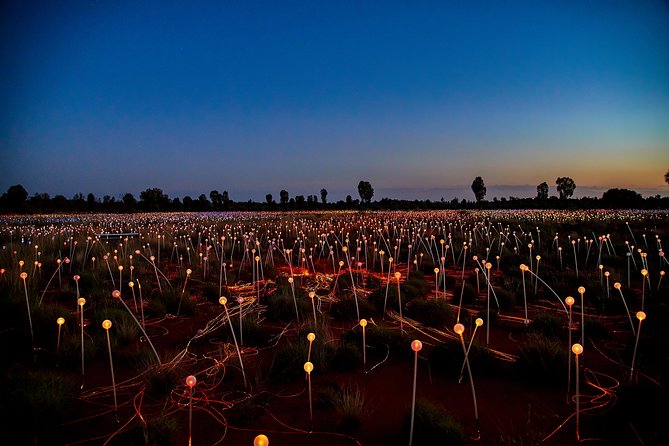
The installation uses more than 50,000 hand-crafted frosted glass spheres arranged along walking paths. The colors shift among ochre, deep violet, blue, and gentle white. In full darkness, the lights seem to spread across the desert like a low field of stars.
That timing makes the sunrise departure worthwhile. In the evening, you see the lights against a dark sky. In the morning, you see the same installation change character as the first daylight reaches the plain and Uluru begins to catch color.
I especially like the contrast. The Field of Light is man-made, colorful, and constantly changing. Uluru is huge, still, and shaped by natural light. Seeing both within a single morning gives the outing more depth than a quick stop at an illuminated display.
The setting can feel remarkably quiet. A full moon, clear stars, or the Milky Way may add another layer to the walk, though clouds and rain can change the mood completely. The lights are still the focus, but the sky is an important part of what you are paying for.
More early starts worth the alarm around Australia:
- Sydney: Harbour Sunrise Kayak Tour
★ 5.0 · 1,899 reviews - Sydney: Sunrise Kayak, Opera House & Under Harbour Bridge
★ 5.0 · 869 reviews - Uluru: Field of Light Sunrise Tour with Hot Drinks
★ 4.6 · 572 reviews
The pre-dawn pickup and short ride
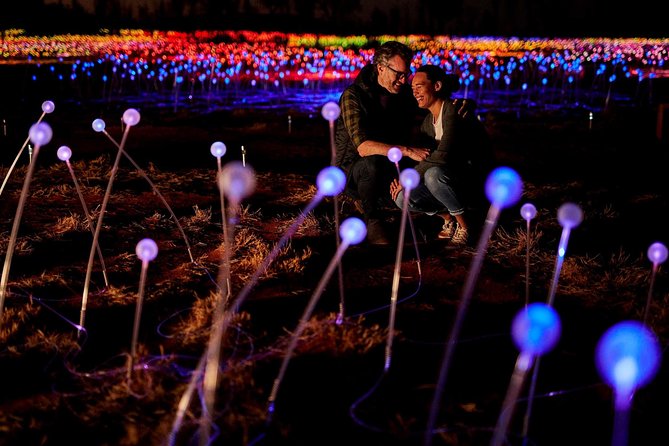
Pickup is offered from your Ayers Rock resort, with the exact time set by sunrise. Depending on the season and schedule, you might be collected around 3:00 or 4:30 a.m. The ride to the Field of Light is short, roughly 20 minutes each way according to the timing described by past participants.
That short transfer is useful. You do not lose half a day on a coach, and the tour leaves enough time for breakfast, a flight transfer, or another activity afterward. One morning schedule returned people to the resort by about 6:45 a.m.
The early start is the main practical hurdle. This is not a casual sleep-in excursion. You will need to set an alarm, prepare clothes the night before, and accept that the first part of the tour takes place in darkness.
Still, the early hour has clear benefits. Morning departures are often quieter than evening sessions, and the darkness helps the lights do their work. You also get a fresh start to the day rather than using an entire evening for the exhibition.
The tour can hold up to 65 people, so it is not a private outing. The size is manageable for a guided departure, but the paths may feel busier if several groups reach the installation at the same time.
Walking through 50,000 lights
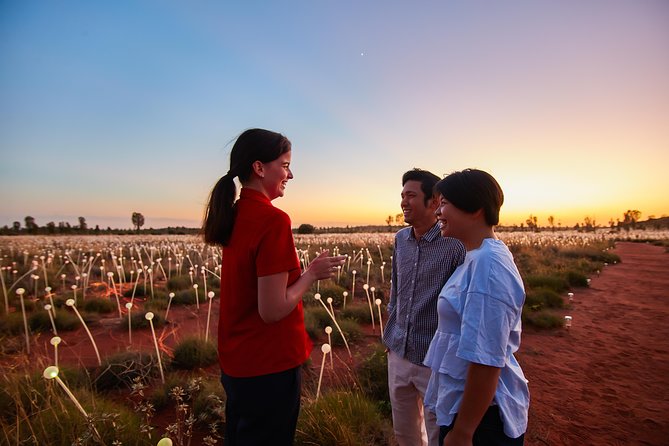
After the short drive, your host explains Bruce Munro’s inspiration and the scale of the project. The artist drew on his response to Australia’s Red Desert when creating the installation, and the guide’s explanation helps connect the colored lights with their setting.
You then walk from the viewing area down into the paths around the spheres. The display is designed to be seen from different angles, so do not rush straight through. Pause, turn around, and look back toward the wider field of lights.
The paths are flat and suitable for an easy walk. A shorter route and a longer route are available, which helps if you have limited mobility or a knee problem. Prams and strollers are not permitted at the exhibition site, and the operator asks you to contact Viator or AAT Kings with specific accessibility questions.
A phone flashlight is useful for the darker sections. You can use the light on your phone, but keep it pointed at the ground so you do not spoil the view for others. Comfortable shoes matter more than heavy hiking footwear because this is a walk, not a trek.
The display is at its strongest in total darkness. As dawn approaches, the natural sky gradually takes over. That transition is part of the design, but it means the lights will not look exactly as they do in promotional photographs.
Weather also matters. Rain can dampen the paths and reduce the sense of magic. Some lights may not be operating on a particular morning, which can leave parts of the installation looking sparse. The show is still worth considering, but you should not expect a perfect display every time.
The dune-top view at sunrise
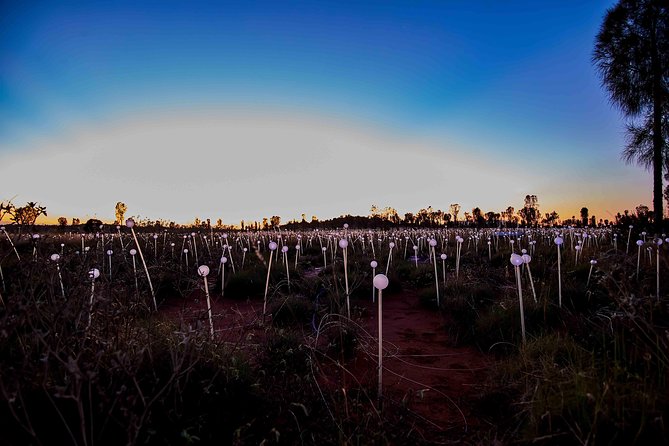
After exploring the lights, return to the dune-top observation area. This is where the outing shifts from art to scenery.
Tea, coffee, or hot chocolate is served, often with biscuits. That sounds like a small detail, but at 4:00 a.m. in the desert it is welcome. The warm drink gives you time to settle in and watch the sky change instead of rushing from one attraction to the next.
From the viewing area, you watch sunrise over Uluru. The rock changes as the light strengthens, moving through muted tones and warmer reds. The Field of Light becomes less visible at the same time, so the natural view takes over from the installation.
Look behind you for Kata Tjuta. The position of the viewing area allows you to see both major formations, which is one of the strongest reasons to choose this particular departure. It is also a good moment for photographs, since you can frame Uluru with the changing sky and then turn toward Kata Tjuta.
Do not expect to stand directly at the base of Uluru. This is a distant viewing experience from the Field of Light area. One potential disappointment is arriving with the assumption that you will be much closer to the rock for sunrise.
That distance is also part of the appeal. You see Uluru within the broad red desert rather than as a close-up object. The quiet, the rising sun, and the fading lights create a calmer scene than a standard lookout stop.
Same dawn, a different vantage point:
- Yarra Valley Sunrise Balloon Flight with GoPro Photos
★ 5.0 · 506 reviews - Yulara: Uluru Sunrise and Kata Tjuta Day Trip by Bus
★ 4.5 · 469 reviews - Early Morning Ballooning in Alice Springs
★ 5.0 · 426 reviews - Full Uluru Base Walk at Sunrise Including breakfast
★ 5.0 · 408 reviews
What the guide adds
The guide provides commentary about the artist and the installation, then helps the group move through the site. That explanation gives the lights a sense of purpose instead of leaving you to wander through a large display without context.
The strongest guide experiences have included friendly, clear hosts such as Carolyn, Tush, and others who helped with photographs and answered questions. Driver quality can vary, and one poor interaction with a surly driver affected an otherwise good morning for a participant. That is worth keeping in mind, since the tour depends on both the guide and the transfer service.
The short duration limits how much cultural or geological information can be covered. This is not a full Uluru history tour, and the commentary centers on the Field of Light, the desert setting, and the sunrise. If you want an extensive introduction to Anangu culture or the national park, you will need a separate experience.
That focused approach can be an advantage. You are not spending the morning on a long lecture. You get enough explanation to understand what you are seeing, then time to enjoy the site quietly.
What to wear and bring for the dark hour
The desert can feel cold before dawn, even when the day later becomes warm. Bring a jacket and dress in layers. A blanket is available in the setting, but it should not replace warm clothing.
A phone flashlight is helpful on the paths. A hat with a fly net is also a smart choice, especially as the sun comes up and flies become more active. One person specifically noted that flies appeared at daylight, so this is a useful practical tip rather than a needless extra.
Consider bringing:
- A warm jacket or fleece
- Closed, comfortable walking shoes
- A phone with enough battery for photos and light
- A fly net or hat for after sunrise
- A small camera or phone lens cloth if the morning is damp
You do not need heavy hiking equipment. The walking routes are flat and easy, and the visit lasts only about two hours.
Is $92.52 a fair price?
At $92.52 per person, the value depends on how much you want to combine in one short outing.
You are paying for hotel pickup and drop-off, transport, entry to the Field of Light, a guide, the dune-top viewing area, and hot drinks. You also save the trouble of arranging an early transfer when most resort services are barely starting for the day.
The price is harder to justify if you see the Field of Light as a simple collection of plastic lights and mainly want a close sunrise view of Uluru. The display is large, but it is still an artificial installation, and some people may prefer a natural sunrise or sunset.
For me, the strongest value comes from the combination. A normal sunrise lookout gives you the rock and the sky. This tour adds a nighttime art walk, stars, hot drinks, and views of Kata Tjuta, all before breakfast.
It is also a good choice if your time at Uluru is limited. The tour takes about two hours rather than consuming a whole morning or evening. If you are staying several days and have plenty of time, you could compare it with an evening Field of Light visit or choose a separate sunrise outing.
The free cancellation policy adds some flexibility. You can cancel for a full refund up to 24 hours before the start time. Changes or cancellations inside that window are not accepted for a refund, and the experience requires a minimum number of participants.
Who should book this sunrise tour?
I would choose this tour if you are visiting Uluru for the first time and want a memorable introduction without committing to a long excursion.
It suits you particularly well if you:
- Want to see the Field of Light in its darkest and quietest setting
- Prefer an early morning activity to an evening departure
- Have limited time at Ayers Rock Resort
- Enjoy photography, especially sunrise and night-sky images
- Like an easy walk rather than a demanding hike
- Want transport arranged from your hotel
It may not suit you if you dislike very early starts, expect to be close to Uluru, or prefer natural sights without an art installation. The tour also loses some impact in heavy rain or when sections of the display are not operating.
If you can manage the wake-up call, the morning schedule offers something special: the man-made lights slowly giving way to the real light of the desert.
Final verdict: book it for the combination
I recommend the Uluru Field of Light Sunrise Tour for most first-time visitors, especially those with only a short stay.
The best moments are the quiet walk beneath the stars, the warm drink on the dune-top, and the gradual change from colored spheres to sunrise over Uluru and Kata Tjuta. The experience is easy, well organized, and compact.
Book it if you want both art and scenery in one outing. Skip it if the Field of Light does not interest you or if you would rather spend your early morning at a closer natural lookout. For everyone else, this is a smart way to begin a day at Uluru, provided you bring a jacket and accept the alarm clock.
FAQ
How long does the Uluru Field of Light Sunrise Tour last?
The tour lasts approximately two hours, including the short transfer from your Ayers Rock resort, the Field of Light walk, sunrise viewing, refreshments, and return transport.
What time does the tour begin?
The pickup time depends on the time of sunrise. Early departures may begin around 3:00 or 4:30 a.m., so check the confirmed pickup time for your date.
Is hotel pickup included?
Yes. Round-trip pickup and drop-off are offered from your Ayers Rock hotel or resort.
What can I see from the sunrise viewing area?
You can watch sunrise over Uluru and look behind you toward Kata Tjuta. The Field of Light gradually becomes less visible as natural daylight increases.
Are refreshments included?
Tea, coffee, and hot chocolate are served at the dune-top viewing area. Biscuits may also be available with the drinks.
Is the walking difficult?
The paths are flat and easy. A shorter and a longer route are available, but prams and strollers are not permitted at the Field of Light site. Contact Viator or AAT Kings with specific accessibility questions.
What is the cancellation policy?
You can cancel up to 24 hours before the experience begins for a full refund. Cancellations or changes made less than 24 hours before the start time are not accepted for a refund.
Newly added sunrise trips around Australia
- Honey Ryder Sunrise Jet Skiing in Darwin★ 5.0 · 78 reviews
- WANDER BYRON Guided Sunrise Tours to Cape Byron Lighthouse★ 5.0 · 34 reviews
- Sunrise with the kangaroos and wallabies★ 5.0 · 29 reviews
- Airlie Beach: Kangaroos on the beach at dawn.★ 5.0 · 4 reviews
- Sydney: Hunter Valley Sunrise Balloon Flight with Transfer★ 4.4 · 20 reviews
- Sydney Sunrise Private Kayak – Opera House & Harbour Bridge★ 4.7 · 14 reviews
- Sunrise with the Kangaroos & Wallabies – Airlie Beach★ 5.0 · 46 reviews
- Sunrise Uluru Private Tour★ 5.0 · 6 reviews
Australia Sunrise Tours, compared at first light.
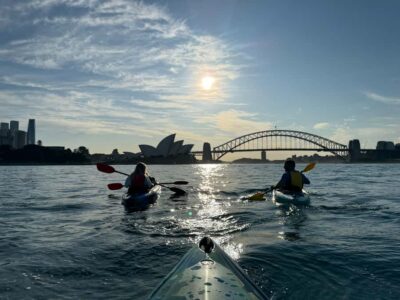
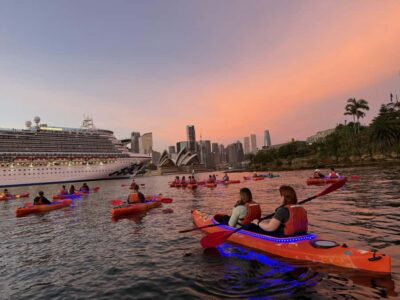
Sydney: Sunrise Kayak, Opera House & Under Harbour Bridge
Read our review →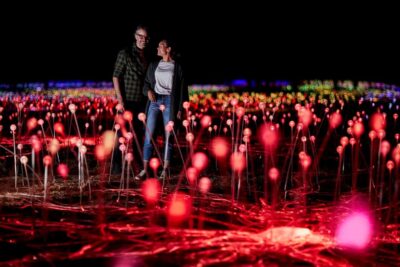
Uluru: Field of Light Sunrise Tour with Hot Drinks
Read our review →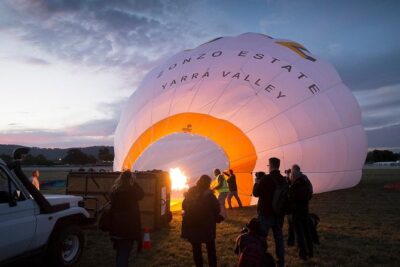
Yarra Valley Sunrise Balloon Flight with GoPro Photos
Read our review →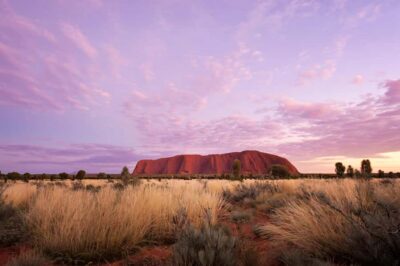

Full Uluru Base Walk at Sunrise Including breakfast
Read our review →
Hot Air Balloon Flights over Melbourne City (optional breakfast)
Read our review →More lists with this sunrise on them