
Review · CAMBODIA
Siem Reap: Angkor Sunrise 2 Days Guided Bike Tour
Angkor Wat is at its best before the heat and tour buses arrive. This two-day ride gets you to the temple for sunrise, then uses sandy tracks and jungle paths to reach Ta Prohm, Bayon, Angkor Thom, and Preah Khan. The second morning leaves the monuments behind for rice fields, mushroom and lotus farms, rice-wine production, and small villages.
I like the quiet cycling routes behind Angkor Wat, where the sound of tires and jungle replaces much of the road noise. I also like the second day’s local focus, especially the chance to taste fruit and snacks and see how rural families make and grow everyday food.
The catch is simple: this is not a gentle sightseeing ride for someone who rarely cycles. Sand, heat, and uneven tracks require moderate fitness and confidence on different surfaces. The temple day also starts at 5:00am, so sleep early.
Key points to know before booking
- Sunrise begins at 5:00am: You reach Angkor Wat early, then continue sightseeing by bicycle.
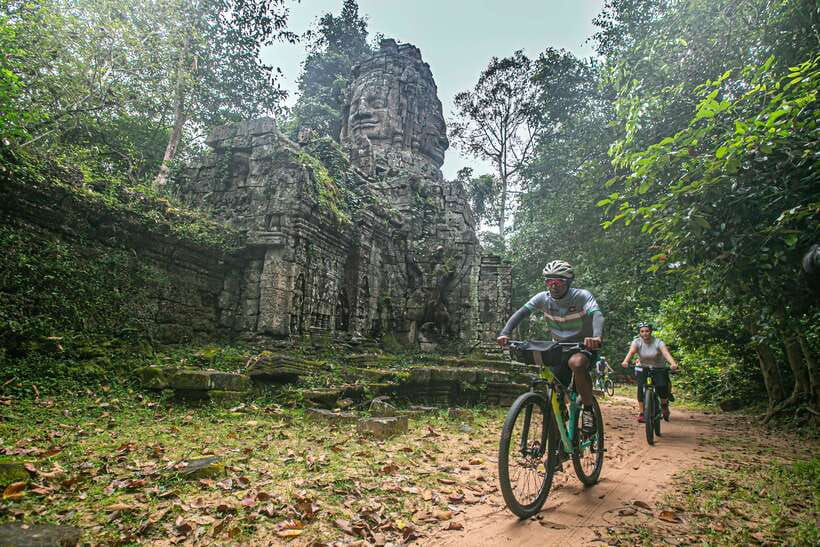
- The temple routes use sandy tracks: Good bikes are supplied, but regular cycling experience helps.
- Day two is slower and more local: Ride through farms and villages rather than from monument to monument.
- Food is part of the experience: Breakfast, lunch, fruit, snacks, and daily water are included.
- The best guides add real value: Guides including Mony, Tida, Thy, and Bob have been praised for organization and temple explanations.
- Temple tickets cost extra: Budget $37 for the temple entry day, in addition to the $95 tour price.
Why a bicycle is a smart way to see Angkor
Angkor is too large to understand as a string of quick car stops. The temples sit among trees, ponds, villages, and old routes, and a bicycle lets you feel the space between them. You hear wheels on the track, birds and jungle sounds, and the occasional rhythm of daily village life.
The route is not simply a road ride. Some sections behind Angkor Wat use sandy or uneven trails, and that changes the effort level. You may find yourself working harder than expected, especially once the morning warms up. The bikes are described as well-maintained mountain bikes, which is the right type of equipment for this ground.
I would call the physical demand moderate. You do not need to be a serious cyclist, but you should be comfortable riding regularly and handling loose surfaces. If your cycling experience is limited to flat city paths, this tour may feel more demanding than the description suggests.
The reward is access to quieter tracks and a closer look at the setting around the temples. You cover several major sights without spending the whole day sealed inside a vehicle. That makes the $95 price reasonable for someone who values movement, guiding, transport, equipment, food, and a fuller sense of the area.
More Sunrise Bike Tours in Siem Reap:
- Angkor Sunrise Bike Tour / E-Bike or Tuk Tuk
★ 5.0 · 615 reviews - Siem Reap: Angkor Wat Sunrise Bike Tour & Jungle Breakfast
★ 5.0 · 415 reviews - Siem Reap: Angkor Wat Sunrise Bike Tour & Jungle Breakfast
★ 4.9 · 141 reviews
Day one: Angkor Wat at 5:00am
Pickup begins at your hotel at about 5:00am. That early start is not a small detail. You need to be ready in the lobby 15 minutes before pickup, and you will want to arrange an early bedtime the night before.
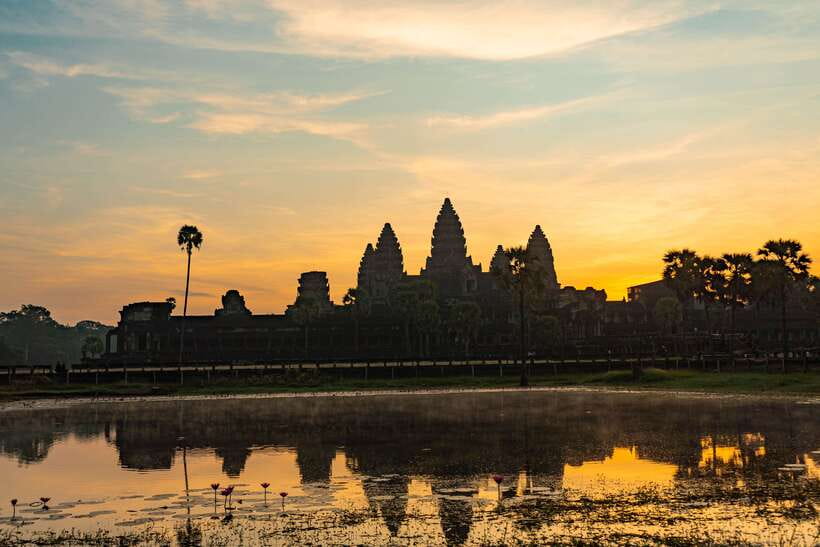
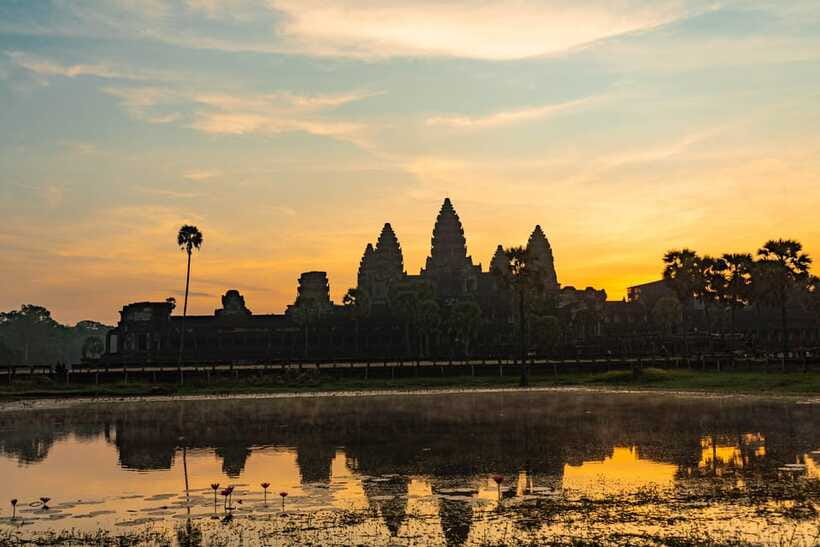
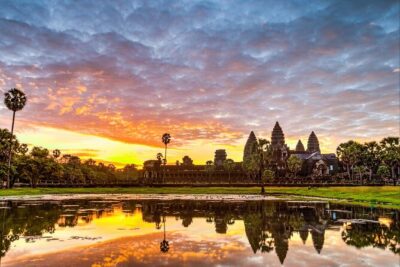
Your guide takes you to Angkor Wat for sunrise. The famous view is the immediate draw, but the timing also helps with the heat. Cambodia can become hot and tiring around the temples later in the day, so starting early gives you cooler riding conditions and more time inside the complex.
Sunrise conditions are never guaranteed. The tour runs rain or shine, and clouds can soften the color or hide the sun. Even then, the early atmosphere and reflection of the temple across the water can make the start worthwhile.
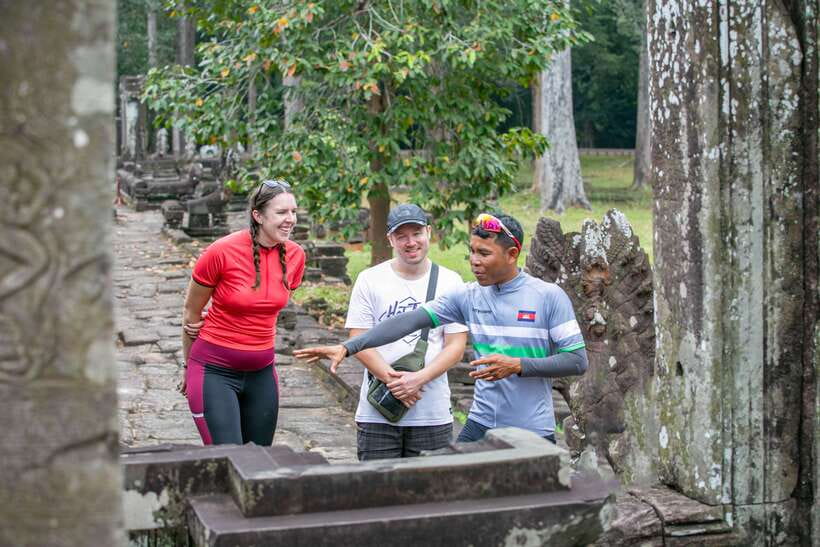
After sunrise, you explore Angkor Wat itself with the guide. The focus is on the temple’s history, symbolism, and major features. A strong guide can help you understand why the towers, galleries, bas-reliefs, and layout matter instead of leaving you to wander through a huge stone complex with no sense of direction.
Guides named in past bookings include Mony, Tida, Thy, and Bob. You are not guaranteed one particular guide, but the experience depends heavily on the person leading it. The best approach is to ask your guide to point out the day’s route and explain how the temples fit together. One visitor found the English difficult to follow and wished for a map and clearer orientation, so do not hesitate to ask for both.
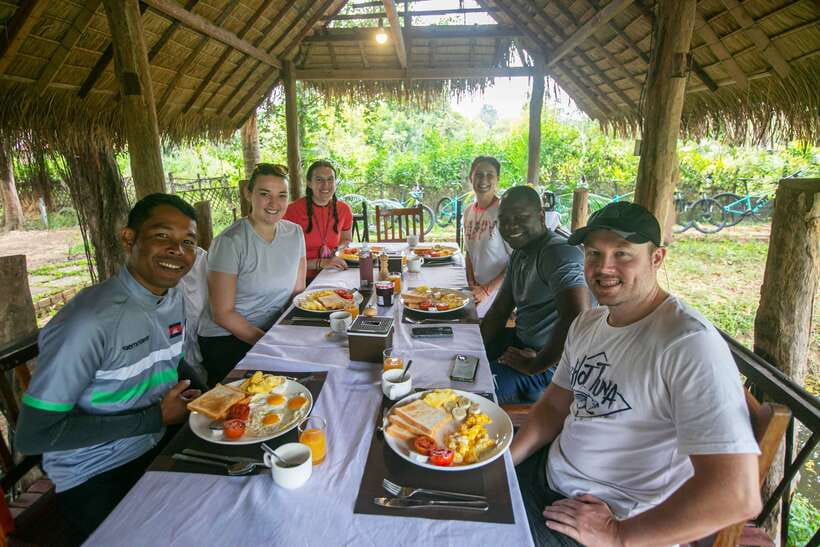
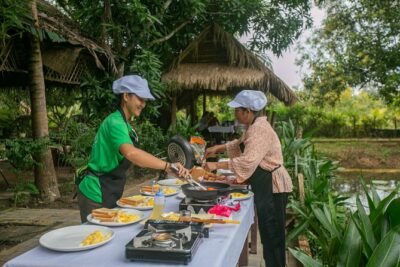
Breakfast follows the first temple visit. It is included, and the meal takes on extra importance after the pre-dawn pickup and several hours on your feet or bicycle. The food location has been described as authentic, though expectations should remain practical rather than hotel-style.
Riding the jungle trails behind Angkor Wat
After breakfast, you leave the most direct tourist routes and follow tracks behind Angkor Wat. These paths pass through small villages within the Angkor complex, giving you a look at how people live beside one of Cambodia’s most visited monuments.
This is one of the strongest parts of the tour. A vehicle can take you quickly from gate to gate, but a bicycle slows you down enough to notice houses, paths, fields, and ordinary activity. You are not just looking at ancient stone. You are seeing a living area where modern Cambodian life continues around it.
The trails are often shaded, which helps, but shade does not remove the physical challenge. Sandy ground can make steering and pedaling awkward. The ride is manageable for someone accustomed to a mountain bike, yet less pleasant if you are worried about balance or have not ridden for some time.
You then continue to Angkor Thom, the great walled city. The scale of its gates and walls helps explain that Angkor was not one isolated temple but a large urban and religious center. Your guide provides the historical setting while you move between the major monuments.
Bayon is the visual star inside Angkor Thom. Its towers carry the famous serene faces, and the close-packed stonework creates a very different mood from Angkor Wat’s broad symmetry. Take time to look up and around rather than rushing in for one photograph. The faces are best understood as part of the temple’s design, not just as a photo stop.
Preah Khan gives you another change of pace. Its long corridors, carved details, and tree-covered setting reward patient walking and careful looking. You may find the route tiring by this stage, but the bicycle makes it possible to cover more ground than walking between every site.
The final major stop is Ta Prohm, often called the Tomb Raider temple. Its reputation comes from the trees growing through and around the ruins, but the attraction is more than film history. The roots and stone show how the forest reclaimed parts of the complex, creating a powerful view of time, weather, and architecture together.
The tour also includes smaller temples or stops along the way, depending on the route and guide. This is where the cycling format earns its keep. You can move between the famous places while still seeing parts of Angkor that do not receive the same attention.
Cambodian food after a long morning
Lunch is included on day one and features a broad selection of Cambodian dishes. After an early start and several hours of cycling, the meal is not just a cultural extra. It is your main chance to refuel before the day winds down.
Food quality can vary. Some meals have been enjoyed greatly, while one assessment found the lunch below expectations. I would treat the meal as a local stop rather than a carefully controlled restaurant experience. If you have strong dietary needs, explain them clearly to the guide before the meal.
A short siesta follows lunch. That is a sensible part of the plan, not wasted time. The first morning combines early waking, temple walking, cycling, heat, and sightseeing, so a rest prevents the afternoon from becoming a slog.
Hotel drop-off follows the meal and rest period. Day one is the more demanding half of the experience, both physically and visually. You see the headline monuments, but you also need enough energy to enjoy them.
More Two-Day Trips in Siem Reap:
- Siem Reap: Angkor Wat 2-Day Tour with Sunrise and Sunset
★ 4.9 · 4,429 reviews - Angkor 2-Day Sunset & Sunrise Small-Group Tour
★ 5.0 · 2,567 reviews - 2 Days Exclusive Temple Highlights with Sunset and Sunrise Tour
★ 5.0 · 1,157 reviews - Siem Reap: Angkor Sunrise 1- or 2-Day Guided Temples Tour
★ 4.9 · 1,132 reviews
Day two: rice fields, farms, and village roads
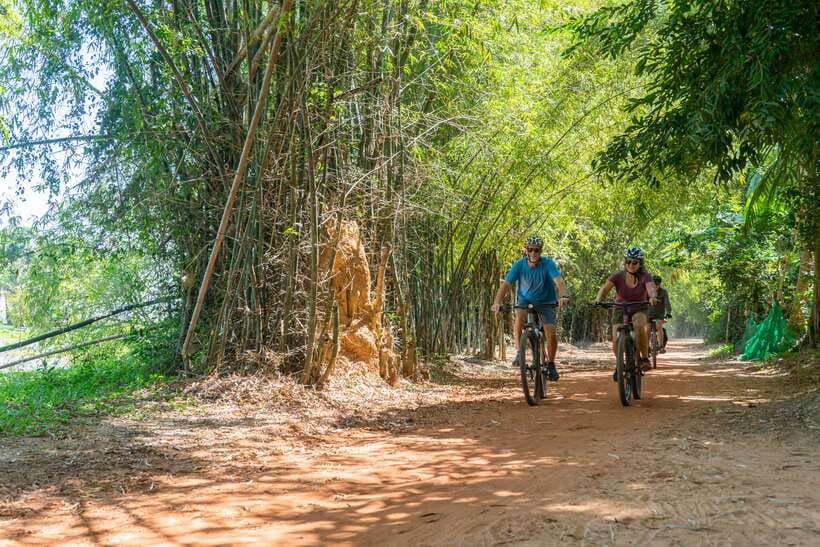
Pickup on the second day is around 7:30am, a much kinder start than sunrise day. You go to the cycling shop, collect your bicycle, and set off with the guide through countryside roads, farms, rice fields, and small villages.
The riding is generally more relaxed than the temple day. Most of the route uses rural dirt roads rather than sandy jungle tracks, so it may feel easier if you are comfortable on loose ground. You still need to account for heat, sun, and the time spent cycling, but the stops break the morning into manageable sections.
This day is valuable because it shows the working side of Siem Reap Province. Instead of focusing on royal or religious monuments, you see food production and village crafts. The stops at mushroom and lotus farms provide a practical look at local agriculture, while rice-wine distilling shows how a familiar product is made.
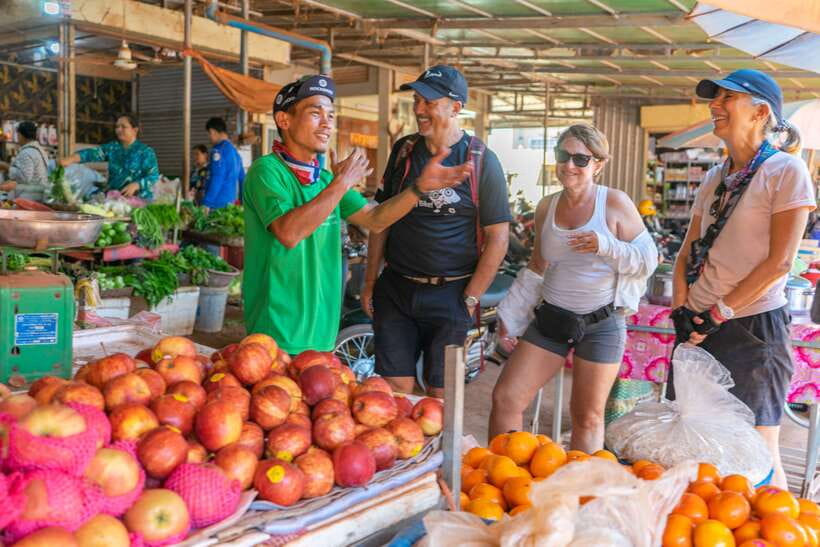
You also visit a local market and taste fruit and snacks. These short tastings give the morning variety and let you try foods that may not appear on a standard temple itinerary. The included snacks and daily water are useful here, since there may not be a convenient shop every time you feel thirsty.
Village handicrafts and Buddhist temples add another layer to the ride. The temples are not presented as grand archaeological sites, but they help you see the role of Buddhism in local communities. The village stops also give you the chance to speak with local people through the guide.
Do not expect day two to feel like a formal museum tour. Its value is in observation: farms, roads, food, homes, crafts, and religious buildings in their everyday setting. If you want a slower morning with a strong local focus, this may be your favorite part.
You return to the bike shop around midday, then receive a hotel drop-off. The shorter finish gives you time for lunch, rest, or more independent sightseeing in Siem Reap.
What the guides add to the ride
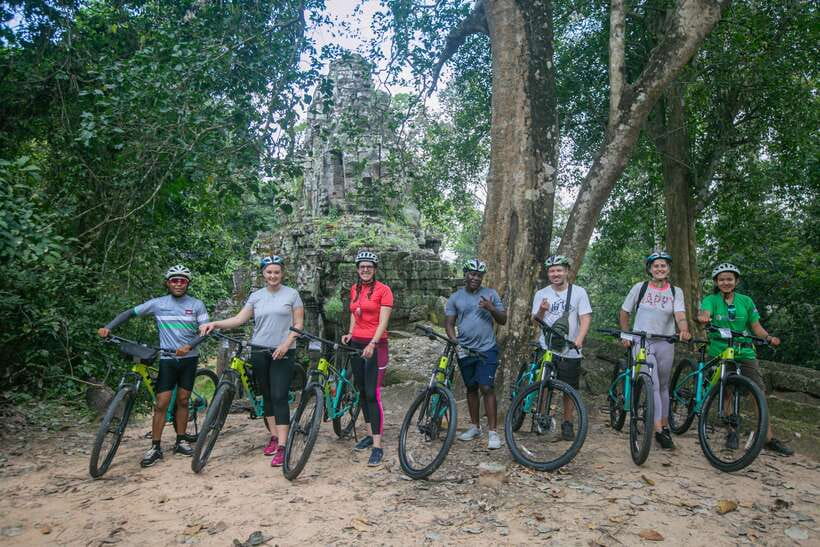
The guide is important on both days. At Angkor Wat, you need historical context, route planning, and help choosing good viewpoints. In the countryside, the guide helps explain what you are seeing and makes village interaction more natural and respectful.
Several guides have received strong praise for being friendly, capable, and well organized. Mony has been noted for clear explanations and good photo spots. Tida, Thy, and Bob have also been singled out for attentive service and smooth handling of the two-day plan.
The guiding style can vary. Temple explanations focus mainly on history and culture, while some visitors may want more detail about artistic or architectural features. English ability can also vary by guide. If architecture matters greatly to you, say so early and ask specific questions about carvings, layout, restoration, and religious meaning.
I would also ask to see the route on a map. That small step helps you understand the order of the temples and how the Angkor complex fits together. It is especially useful on a bicycle, where the ride itself is part of the geography lesson.
Price, temple tickets, and what is included
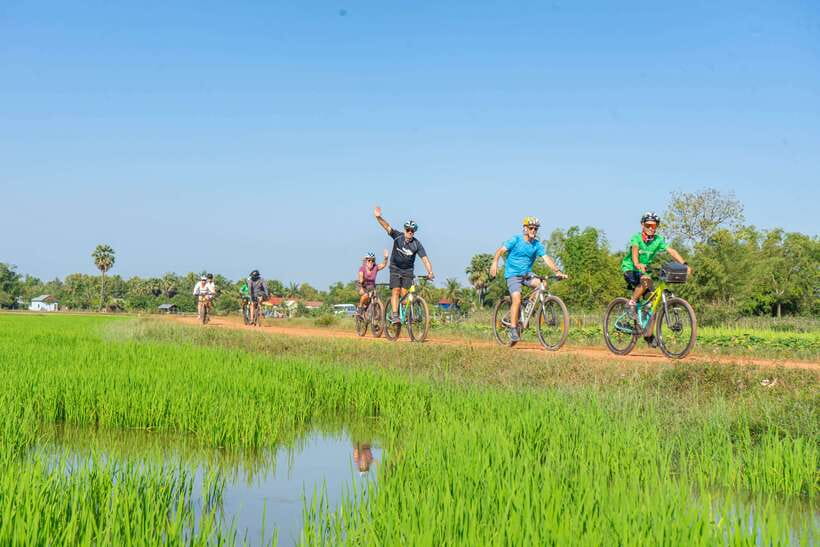
The tour costs $95 per person. That covers two days, hotel pickup and drop-off, an English-speaking guide, bicycle, helmet, daily water, day-one breakfast, day-one lunch, and local fruit and snacks.
Temple entry is not included. The listed price is $37 per day, so you should budget at least $37 for the Angkor temple day. That brings the known cost to $132 per person before personal spending. The second countryside day does not list a separate temple entry cost.
For two full mornings of guiding and transport, the cost is fair, especially if the quiet cycling routes and local food stops appeal to you. The value is weaker if you mainly want a quick Angkor Wat sunrise and do not care about village life. In that case, a shorter temple visit may suit you better.
The flexible booking terms also help with changing plans. You can cancel up to 24 hours ahead for a full refund, and reserve now while paying later. Keep in mind that the activity runs rain or shine, so pack for sun and possible rain rather than assuming perfect weather.
Wear clothing that covers your shoulders and knees at the temples. Bring sunglasses, sunscreen, and a camera. Smoking indoors is not allowed, and the ride is not suitable for pregnant women.
Is this two-day bike tour right for you?
Book it if you want Angkor Wat with movement, quiet tracks, and a second morning devoted to Cambodian rural life. It suits regular cyclists who can handle sand, dirt roads, early starts, and hot conditions without turning the ride into a struggle.
You should think twice if you rarely cycle, dislike uneven ground, or want detailed architectural commentary at every temple. The guides are generally praised for organization and friendliness, but the depth of explanation and English clarity may vary.
For the strongest experience, prepare for the 5:00am pickup, wear temple-appropriate clothes, bring sun protection, and ask for a map and route overview. The temple day gives you the iconic monuments. The countryside day gives you the human scale. Together, they offer a more rounded look at Siem Reap than a standard vehicle tour.
FAQ
How long is the tour?
The experience lasts two days. Day one begins with hotel pickup at about 5:00am, and day two begins with pickup at about 7:30am.
What temples are visited?
The route includes Angkor Wat, Angkor Thom, Bayon, Preah Khan, and Ta Prohm, also known as the Tomb Raider temple. Smaller temple stops may also be included along the cycling route.
Is hotel pickup included?
Yes. Hotel pickup and drop-off are included on both days. You should wait in the hotel lobby 15 minutes before the scheduled pickup time.
Is the temple entry ticket included?
No. Temple entry is not included. The listed cost is $37 per day.
What meals are included?
Breakfast and lunch on day one are included. Local fruit and snacks are also provided during the experience. Day two does not list a full meal as included.
Is bicycle equipment provided?
Yes. A bicycle and helmet are included. The bicycles are described as well-maintained mountain bikes.
What language does the guide speak?
The live guide speaks English. Guides who have led this experience include Mony, Tida, Thy, and Bob, though a specific guide is not guaranteed.
What should I wear to the temples?
Wear clothing that covers your shoulders and knees, especially when visiting Angkor Wat. Bring sunglasses and sunscreen for the cycling.
Can I cancel the booking?
Yes. You can cancel up to 24 hours in advance for a full refund. You can also reserve now and pay later.
Newly added sunrise trips around Siem Reap
- Sunrise at Angkor Wat with a sharing group★ 5.0 · 2 reviews
- Sunrise at Angkor Wat Temple: 3-Hour Private Tour★ 4.7 · 30 reviews
- Sunrise at Angkor Wat and Full day with Fascinating Temples★ 5.0 · 2 reviews
- Small-Group Explore Angkor Wat Sunrise Tour with Guide★ 5.0 · 3 reviews
- Siem Reap Temple Tour 2-Day with Sunrise/Sunset★ 3.7 · 3 reviews
- Angkor Wat: Sunrise 2.5 Days Temples & Tonle Sap-Small Group★ 5.0 · 10 reviews
- Siem Reap: Angkor Wat Sunrise Tour via Tuk Tuk & Breakfast★ 5.0 · 29 reviews
- Siem Reap: Angkor Wat Sunrise Tour with Spanish Guide★ 5.0 · 18 reviews
Sunrise Bike Tours, compared at first light.
Angkor Wat Sunrise Bike Tour & Jungle Breakfast
Read our review →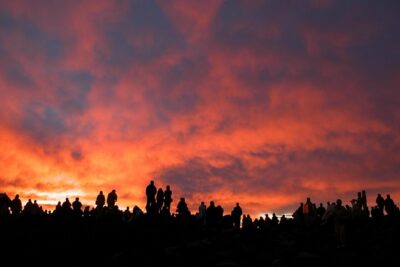
Maui Haleakala Sunrise Downhill Bike Tour with Mountain Riders Rated #1
Read our review →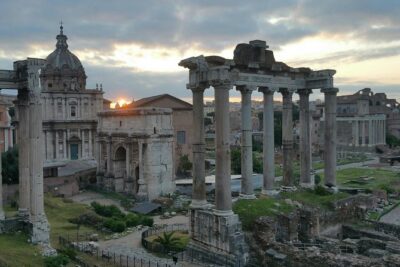
Sunrise in Rome: Small Group E-Bike tour with Italian Breakfast
Read our review →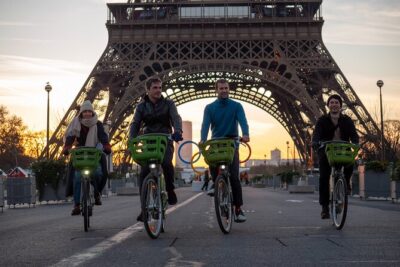
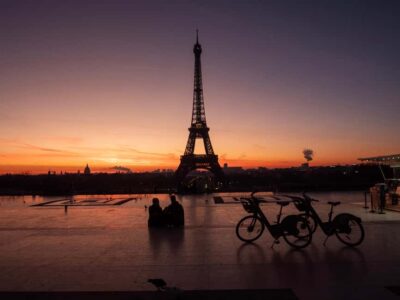
Paris Before the Crowds: Sunrise Bike Tour with Breakfast
Read our review →
Sunrise Desert safari With Quad bike ride Sandboard & Camel ride
Read our review →More lists with this sunrise on them